

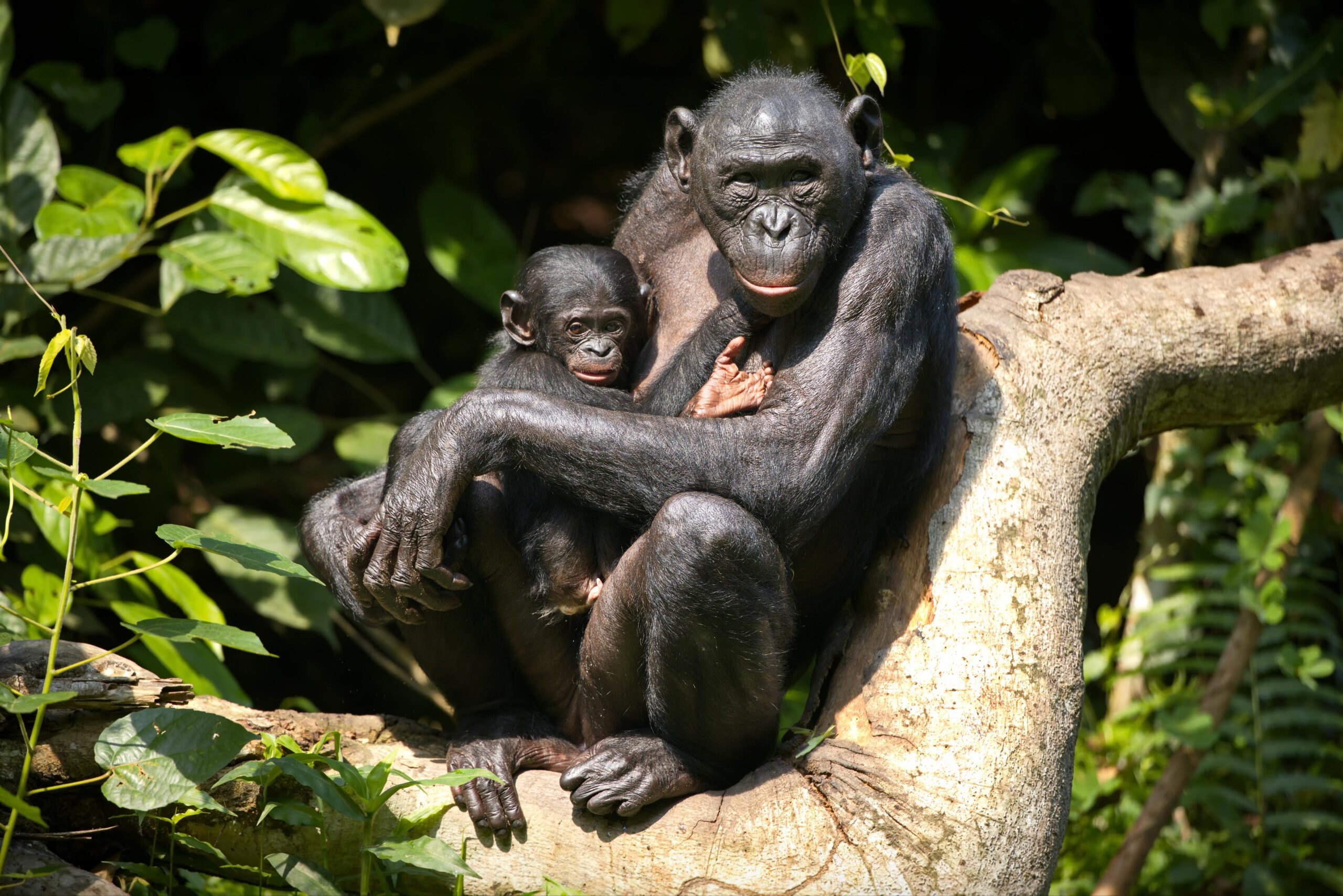
25 weird and fun facts about animals 2026, 2027 and 2028 is not just a catchy phrase—it’s a doorway into a world filled with strange behaviors, surprising intelligence, and nature’s most fascinating secrets. Across continents and ecosystems, animals continue to amaze scientists and wildlife lovers alike, revealing unexpected traits that challenge what we think we know about life on Earth.
From deep oceans to African savannas, every creature carries a story worth telling. If you’re planning to witness wildlife up close, you can explore unforgettable journeys through African safari experiences, where many of these animals roam freely in their natural habitats.
Understanding the Fascination Behind Animal Facts
Animals have always sparked curiosity, but recent years have brought even more discoveries thanks to advanced research and conservation efforts. Organizations like National Geographic and World Wildlife Fund continue to uncover behaviors that redefine intelligence and survival in the wild. Whether it’s communication, memory, or adaptation, the animal kingdom is full of surprises.
For travelers seeking real-life encounters, destinations featured on wildlife safari tours provide opportunities to observe these creatures in action, making every fact feel even more alive and meaningful.
25 Weird and Fun Facts About Animals 2026, 2027 and 2028 You Should Know
1–5: Strange Behaviors That Defy Logic
Octopuses can taste with their arms, a discovery supported by research from Smithsonian Magazine. Meanwhile, wombats produce cube-shaped droppings, a phenomenon studied by Nature Journal. Flamingos are naturally white but turn pink due to their diet, as explained by Encyclopedia Britannica. Sea otters hold hands while sleeping to avoid drifting apart, and honeybees can recognize human faces, according to findings from ScienceDaily.
6–10: Unexpected Intelligence in Animals
Crows can solve puzzles comparable to young children, while dolphins have unique names for each other, confirmed by NOAA. Elephants mourn their dead, showing emotional depth studied by Save the Elephants. Parrots can understand context in human language, and dogs can detect diseases such as cancer, as highlighted by NIH.
11–15: Bizarre Physical Features
The axolotl can regenerate entire limbs, a subject of research at The Nature Conservancy. The mantis shrimp delivers one of the fastest punches in the animal kingdom. Giraffes have the same number of neck bones as humans. The platypus lays eggs despite being a mammal, and the narwhal’s tusk is actually a tooth.
16–20: Survival Skills That Impress Scientists
Tardigrades can survive extreme conditions, including space, as noted by NASA. Arctic foxes change fur color with the seasons. Penguins propose with pebbles, and chameleons change color for communication rather than camouflage. Some frogs can freeze and come back to life.
21–25: Fun and Surprising Animal Habits
Kangaroos cannot walk backward. Sloths can hold their breath longer than dolphins. Butterflies taste with their feet. Ants farm fungi for food, and sharks existed before trees, according to research from American Museum of Natural History.

Why These Animal Facts Matter in Today’s World
Understanding these facts isn’t just entertaining—it’s essential for conservation. Groups like IUCN and Conservation International emphasize that awareness leads to protection. When people learn how unique animals are, they are more likely to support efforts that preserve habitats and ecosystems.
Travel experiences also play a role. Ethical tourism options, such as those offered through safari travel packages, help fund conservation projects while giving visitors a chance to witness wildlife responsibly.
The Role of Technology in Discovering Animal Facts
Modern tools like satellite tracking and AI-powered cameras have transformed wildlife research. Institutions such as University of Cambridge and Harvard University are leading studies that uncover hidden animal behaviors. These technologies allow scientists to observe animals without disturbing them, leading to more accurate insights.
As a result, the list of weird and fun facts continues to grow, making each year more exciting than the last for wildlife enthusiasts.
How You Can Experience These Animals in Real Life
Reading about animals is one thing, but seeing them in their natural environment is unforgettable. African destinations remain among the best places for wildlife encounters, offering chances to see elephants, lions, and giraffes up close. Explore curated journeys through custom safari adventures designed to bring you closer to nature.
Responsible travel ensures that future generations will also have the chance to learn and be inspired by these incredible creatures.
FAQs About 25 Weird and Fun Facts About Animals 2026, 2027 and 2028
1. Why are animal facts important?
They help us understand biodiversity and encourage conservation efforts worldwide.
2. Are these facts scientifically proven?
Yes, most are backed by research from organizations like National Geographic and Nature.
3. Can I see these animals in the wild?
Many can be observed through ethical travel experiences such as African wildlife safaris.
4. How are new animal facts discovered?
Through advanced research, field studies, and technology like tracking devices.
5. Which animal is considered the smartest?
Species like dolphins, elephants, and crows are often ranked among the most intelligent.
6. How can I help protect wildlife?
Support conservation groups like WWF and choose responsible travel options.
Conclusion
The world of animals is far more complex and fascinating than most people realize. These 25 weird and fun facts about animals 2026, 2027 and 2028 highlight just how diverse and surprising life on Earth can be. From intelligence to survival skills, each fact reminds us that animals are not just part of nature—they are essential to it.
Whether you’re learning from trusted sources like National Geographic or planning your next adventure through Relax Africa Safari, one thing is certain: the more we discover, the more there is to explore.