

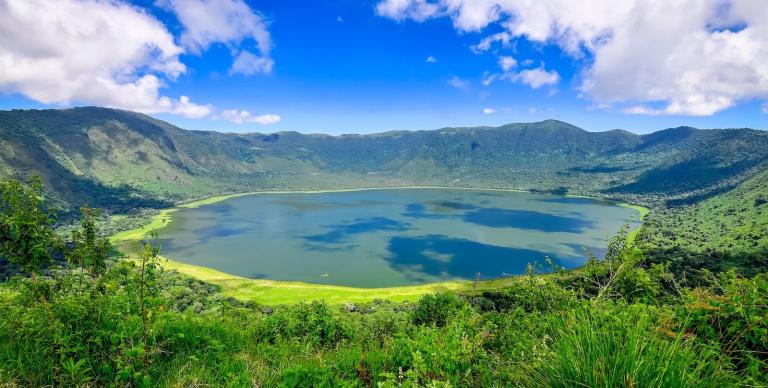
The Ngorongoro Crater Safari Guide – Everything You Need to Know begins with one simple truth: few places on Earth match the beauty, wildlife density, and geological wonder of Tanzania’s Ngorongoro Conservation Area. Often called Africa’s Garden of Eden, this vast volcanic caldera offers visitors a rare chance to see lions, elephants, rhinos, and flamingos in one remarkable landscape. If you are planning a safari, understanding the ecosystem, travel logistics, and seasonal rhythms will help you enjoy every moment inside the crater.
Recognized globally by organizations such as UNESCO and studied by researchers from National Geographic Society, Ngorongoro stands as one of the most important wildlife conservation zones in Africa. Travelers often include it alongside Serengeti journeys through trusted operators like Relax Africa Safari, who design thoughtful itineraries blending conservation awareness with comfort.
Understanding the Ngorongoro Landscape
The Ngorongoro Crater formed nearly two million years ago after a massive volcanic eruption caused the mountain to collapse inward. Today, it spans about 260 square kilometers and hosts a self-contained ecosystem that scientists from institutions like Smithsonian Institution frequently study. Its fertile soils and permanent water sources create ideal conditions for both herbivores and predators.
Unlike many safari parks, Ngorongoro supports year-round wildlife viewing due to reliable rainfall patterns tracked by climate experts at IPCC. This consistency allows visitors to encounter animals without needing long drives, making the crater a favorite for first-time safari travelers booking through Relax Africa Safari.
Wildlife Diversity Inside the Crater
The crater floor shelters more than 25,000 animals, including the famous Big Five. Studies from IUCN highlight Ngorongoro as one of the few places where black rhinos still roam in relatively stable numbers. Lions, hyenas, buffaloes, zebras, and wildebeest form a complex food web observed by conservation scientists from African Wildlife Foundation.
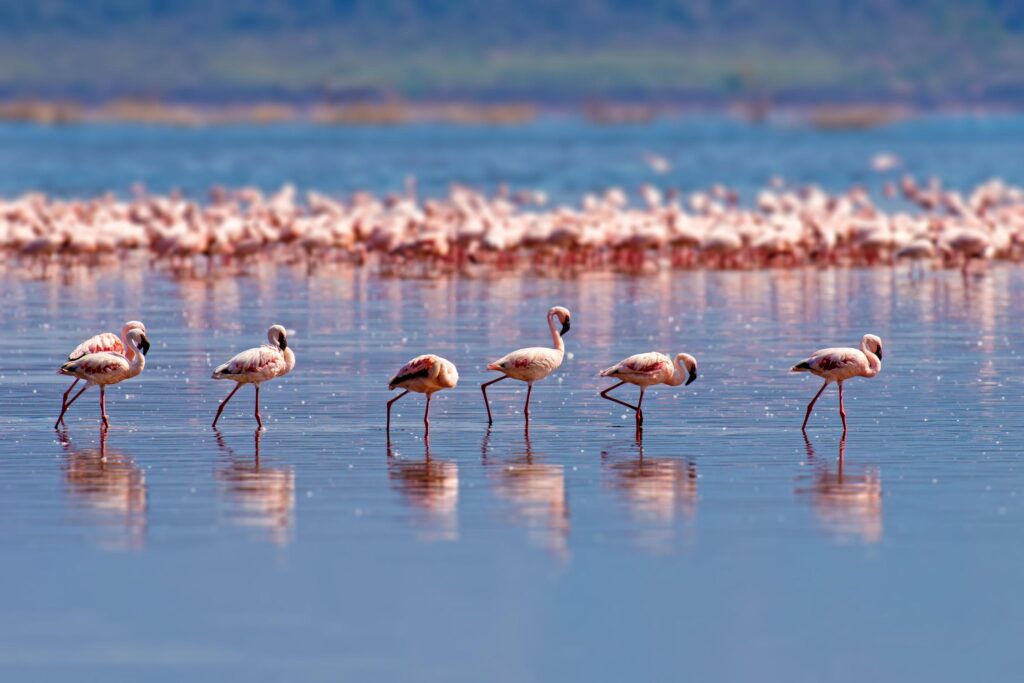
Birdlife is equally impressive. Wetlands and soda lakes attract flamingos, pelicans, and crowned cranes, all monitored by organizations such as BirdLife International. For photographers and nature lovers, these scenes often become lifelong memories.
Ngorongoro Crater Safari Guide – Everything You Need to Know About Planning
Planning a safari requires attention to timing, logistics, and park regulations. Many travelers combine Ngorongoro with Serengeti circuits arranged through Relax Africa Safari, ensuring seamless transfers and expert guiding. Before arriving, visitors should review travel health recommendations from World Health Organization and local advisories from CDC.
Best Time to Visit Ngorongoro
The crater remains accessible year-round, but seasons affect scenery and wildlife movement. Dry months from June to October offer clearer skies and easier game viewing, while the green season between November and May brings lush vegetation and migratory birds. Researchers from UK Met Office note that rainfall patterns often enhance photographic opportunities during these wetter months.
Entry Fees and Regulations
Ngorongoro Conservation Area Authority manages visitor access, ensuring sustainability through regulated permits. Updated policies are available via Ngorongoro Conservation Area Authority. Travelers usually rely on experienced operators like Relax Africa Safari to handle paperwork smoothly.
How to Reach Ngorongoro Crater
Most travelers begin their journey in Arusha, traveling by road through scenic highlands. Alternatively, flights from Dar es Salaam or Zanzibar connect via airstrips near the conservation area. Aviation safety updates from International Civil Aviation Organization guide route planning for many tour operators.
Reliable transportation is crucial, especially during rainy months when roads become muddy. Booking through reputable providers like Relax Africa Safari ensures comfortable vehicles and knowledgeable drivers familiar with terrain challenges.
Accommodation Options Around the Crater
Lodges along the crater rim provide breathtaking sunrise views. Eco-friendly designs follow sustainable tourism standards promoted by UNWTO. Options range from luxury retreats to midrange camps, each blending natural beauty with comfort.
Guests often appreciate curated stays arranged through Relax Africa Safari, which focus on immersive experiences while supporting community-based conservation initiatives recognized by WWF.
Game Drives Inside Ngorongoro
Game drives typically begin early morning when predators are most active. Guides trained through conservation programs like those supported by Panthera share insights into animal behavior, migration patterns, and ecosystem balance.
Vehicles must remain on designated tracks to minimize environmental impact. Studies from Conservation International show that regulated tourism protects fragile habitats while supporting local economies.
Cultural Experiences with the Maasai
The Ngorongoro region is home to Maasai communities whose traditions have shaped the landscape for centuries. Cultural programs supported by UNESCO promote respectful interaction between visitors and residents.
Learning about Maasai pastoral lifestyles deepens appreciation for coexistence between people and wildlife, a balance highlighted by anthropologists at University of Oxford.
Photography Tips for Ngorongoro
Photographers benefit from soft morning light and elevated rim viewpoints. Experts from Royal Geographical Society recommend wide lenses for landscapes and telephoto lenses for wildlife portraits.
Patience and quiet observation often lead to unforgettable moments, especially when guided by experienced professionals arranged through Relax Africa Safari.
Safety and Responsible Travel
Following ranger instructions ensures safe wildlife encounters. Conservation organizations like Wildlife Conservation Society stress maintaining distance from animals and avoiding sudden movements.
Travelers should also respect environmental guidelines supported by UN Environment Programme, helping preserve the crater for future generations.
Environmental Conservation Efforts
Ngorongoro’s success depends on collaboration between scientists, communities, and conservationists. Research partnerships with institutions such as University of Cambridge and Royal Botanic Gardens Kew continue to improve ecological management strategies.
Visitors contribute by supporting sustainable operators and following park rules, reinforcing global efforts led by groups like Global Wildlife Conservation.
Practical Travel Tips
Packing essentials include layered clothing, sunscreen, binoculars, and reusable water bottles. Health recommendations from International Red Cross encourage hydration and sun protection.
Travel insurance and documentation guidance are available via International Air Transport Association, ensuring stress-free travel planning.
Why Choose Ngorongoro for Your Safari
The crater combines scenery, wildlife, and cultural heritage into a single unforgettable destination. Its accessibility and biodiversity make it ideal for both first-time visitors and seasoned safari enthusiasts. Booking through trusted companies like Relax Africa Safari enhances comfort while supporting conservation goals.
Conclusion
The Ngorongoro Crater Safari Guide – Everything You Need to Know reveals a destination where natural beauty meets responsible travel. From rich wildlife populations to deep cultural heritage, Ngorongoro offers experiences that stay with travelers long after they leave. With thoughtful planning and respect for conservation values, your safari will become more than a journey—it will be a lasting connection to Africa’s extraordinary landscapes.