

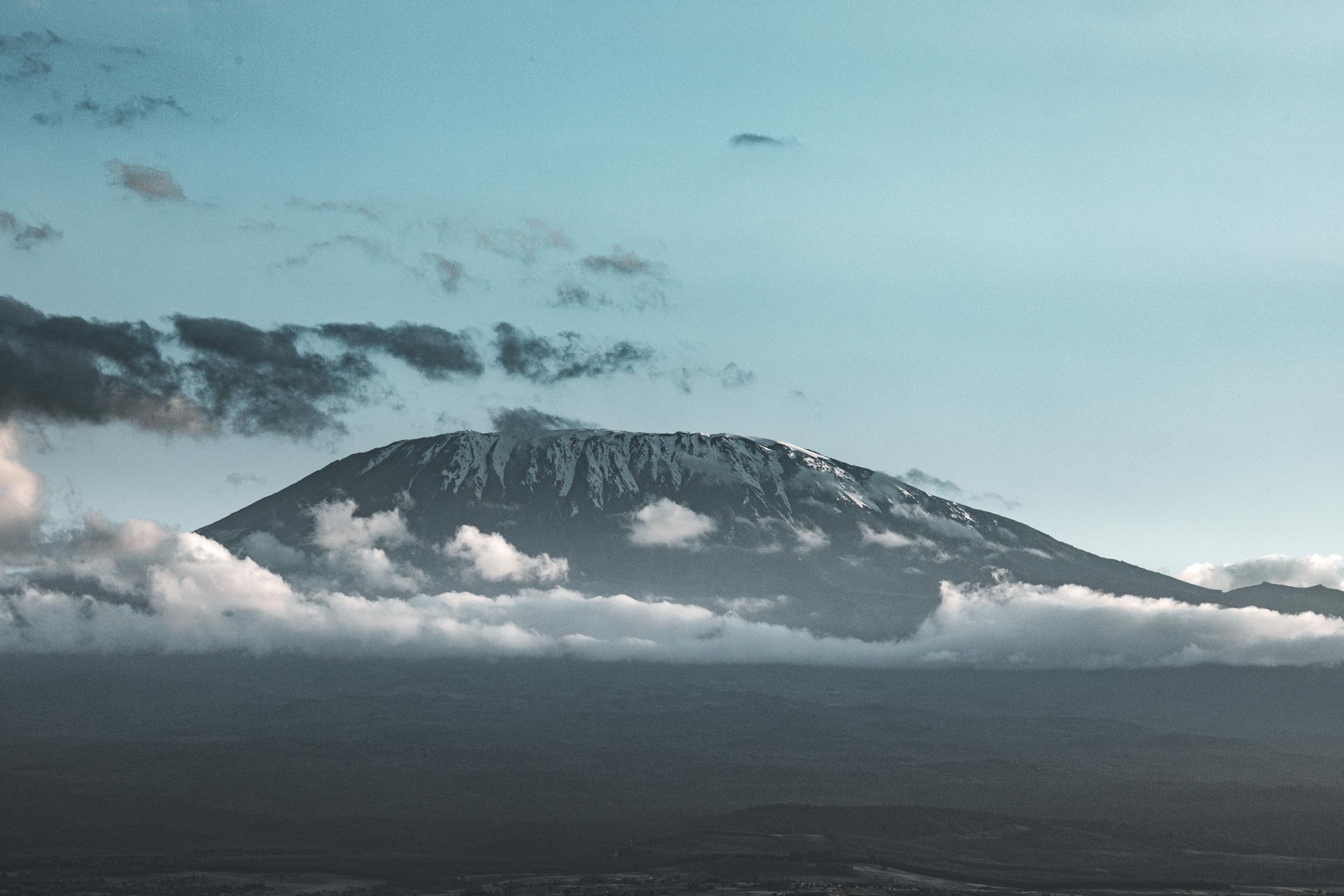
Kilimanjaro Success Rate by Route (2026–2028 Updated Data) is one of the most important topics for climbers planning their journey to Africa’s highest peak, and understanding these updated figures can make the difference between reaching Uhuru Peak or turning back early. Many trekkers focus only on cost or scenery, yet experienced guides know that acclimatization profile, terrain variation, daily altitude gain, and recovery time matter far more when evaluating the Kilimanjaro Success Rate by Route (2026–2028 Updated Data). In this guide, we break down the latest success statistics, explain why some routes outperform others, and help you choose a path that fits your pace, fitness, and summit goals.
Mount Kilimanjaro remains a remarkable ecological landmark studied by institutions like NASA, National Geographic, and conservation bodies such as the IUCN. Climatic changes, glacial retreat, and trekking pressure all influence expedition planning today, meaning updated data is essential for accurate preparation. While the Kilimanjaro Success Rate by Route (2026–2028 Updated Data) varies year by year, strong patterns have emerged across routes, helping trekkers make informed decisions.
Kilimanjaro Success Rate by Route (2026–2028 Updated Data) Overview
Recent research compiled from guiding operators, mountain rescue records, and health monitoring institutions such as the World Health Organization and altitude medicine research shared by the CDC suggests that overall summit success rates on Kilimanjaro average between 65% and 75%. However, this broad estimate hides dramatic variation depending on route choice. Routes offering slower ascent profiles consistently show higher success outcomes, supporting long-standing altitude science findings from the American Association for the Advancement of Science.
Among all trails, the northern and longer routes stand out with significantly higher success percentages due to extended acclimatization schedules. Meanwhile, faster itineraries show noticeably lower completion rates, largely because altitude illness remains the leading reason for descent, as documented in research from the National Library of Medicine. These insights confirm that route planning is not just about scenery or solitude but about maximizing safety and summit potential.
Latest Route-by-Route Success Data (2026–2028)
The Kilimanjaro Success Rate by Route (2026–2028 Updated Data) reveals clear differences across trails. The Northern Circuit leads consistently with estimated success levels between 90% and 95%, followed closely by the Lemosho Route at approximately 88% to 92%. The Machame Route averages between 80% and 85%, while Rongai performs slightly lower but still strong at around 78% to 82%. The Marangu Route remains the most variable, fluctuating between 60% and 70%, largely due to shorter itineraries chosen by budget-conscious climbers.
Environmental monitoring groups such as NASA Earth Observatory and the UN Environment Programme highlight that shifting weather patterns increasingly affect summit conditions, reinforcing the importance of flexible scheduling. Climbers working with experienced teams like Relax Africa Safari often benefit from adaptive pacing strategies that reflect these updated environmental realities.
Why Route Choice Shapes Summit Outcomes
The Kilimanjaro Success Rate by Route (2026–2028 Updated Data) is closely tied to acclimatization science. Studies shared by the International Society for Mountain Medicine confirm that gradual altitude gain allows the body to adjust oxygen efficiency, reducing acute mountain sickness risk. Routes like Northern Circuit and Lemosho incorporate “climb high, sleep low” profiles that align perfectly with these findings.
Terrain diversity also matters. Gradual slopes and varied ecosystems help climbers maintain steady energy levels while avoiding physical burnout. Conservation groups like World Wildlife Fund emphasize that sustainable trail use also supports ecosystem balance, indirectly benefiting trekking safety by maintaining trail conditions.
Northern Circuit Route Performance
Among all options, the Northern Circuit consistently tops the Kilimanjaro Success Rate by Route (2026–2028 Updated Data). Its nine-day structure supports excellent acclimatization while offering quieter trails and diverse landscapes. Academic research from the University of Cambridge supports the concept that longer altitude exposure improves physiological adaptation.
Trekkers choosing this route with expert planning support from Relax Africa Safari often benefit from slower pacing, balanced nutrition, and experienced monitoring, which collectively raise success potential.
Lemosho Route Success Trends
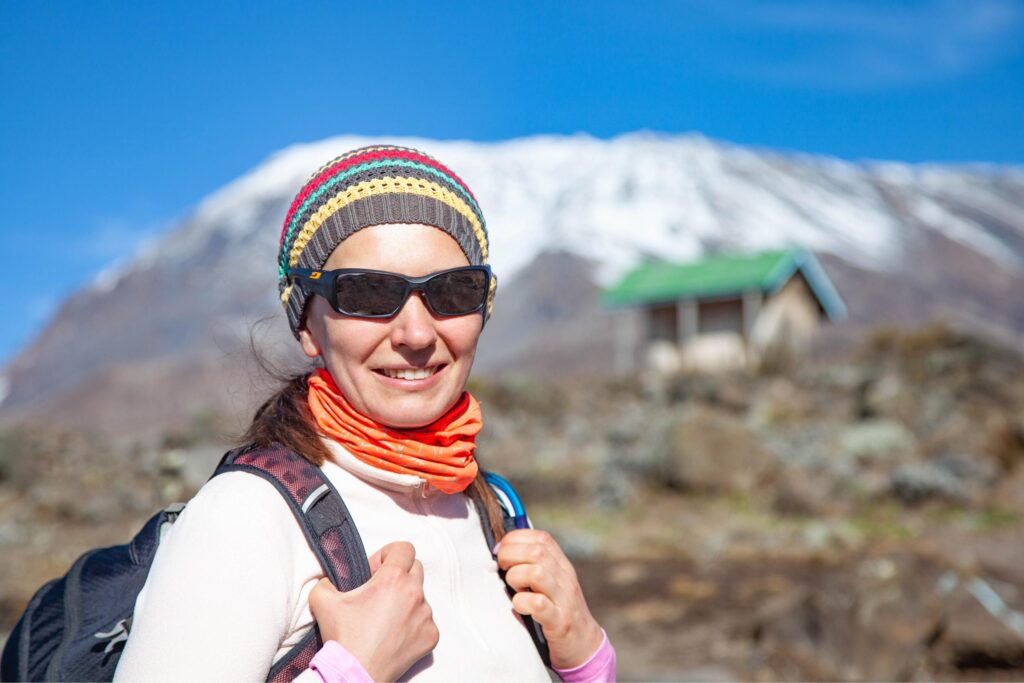
The Lemosho Route remains a favorite for both scenery and performance in the Kilimanjaro Success Rate by Route (2026–2028 Updated Data). Its gradual ascent profile mirrors altitude recommendations shared by the Mountaineering Council and global trekking health studies.
Its varied ecosystems—from rainforest to alpine desert—also provide psychological motivation, an often-overlooked factor noted in behavioral research from the American Psychological Association. This mental resilience often translates into higher summit completion.
Machame Route: Balanced Yet Demanding
The Machame Route holds strong mid-to-high results in the Kilimanjaro Success Rate by Route (2026–2028 Updated Data). Its steep terrain and scenic ridges create a rewarding yet physically demanding climb. Weather tracking data from the NOAA suggests that its southern slopes face more variable conditions, which can impact summit attempts.
Still, with careful pacing and support from professional teams such as Relax Africa Safari, climbers consistently perform well.
Rongai Route Performance
The Rongai Route shows reliable outcomes within the Kilimanjaro Success Rate by Route (2026–2028 Updated Data), especially for climbers seeking a quieter path. Its northern exposure typically experiences less rainfall, confirmed by climate observations from the UK Met Office.
However, its shorter acclimatization period can challenge climbers unfamiliar with altitude adaptation.
Marangu Route Results and Challenges
Although popular for hut accommodations, Marangu often ranks lower in the Kilimanjaro Success Rate by Route (2026–2028 Updated Data). Studies published through the ScienceDirect database highlight rapid ascent schedules as a major factor influencing failure rates.
Trekkers selecting extended itineraries through Relax Africa Safari typically see improved outcomes.
How Fitness and Preparation Affect Results
The Kilimanjaro Success Rate by Route (2026–2028 Updated Data) also depends heavily on personal preparation. Cardiovascular conditioning, strength endurance, and altitude awareness significantly influence success. Health guidelines from the Mayo Clinic recommend progressive endurance training months before high-altitude climbs.
Nutrition also plays a role, with guidance from the Harvard School of Public Health emphasizing hydration and balanced energy intake.
Weather and Seasonal Impacts
Seasonal trends strongly affect the Kilimanjaro Success Rate by Route (2026–2028 Updated Data). Observations from the World Meteorological Organization show January–March and June–October provide the most stable summit windows.
Climate research from NASA Climate suggests warming trends may continue shaping climbing conditions.
Role of Professional Guides
Guide experience strongly impacts the Kilimanjaro Success Rate by Route (2026–2028 Updated Data). Organizations such as the UIRF highlight the importance of trained rescue leadership.
Choosing trusted providers like Relax Africa Safari ensures structured acclimatization monitoring.
Environmental Responsibility and Trekking Ethics
Responsible trekking supports long-term sustainability and success outcomes. Groups such as Leave No Trace, Conservation International, and the Nature Conservancy emphasize ethical mountain travel.
FAQs About Kilimanjaro Success Rates
Which route has the highest success rate?
The Northern Circuit consistently leads the Kilimanjaro Success Rate by Route (2026–2028 Updated Data) due to its extended acclimatization schedule.
What is the overall success rate?
Recent averages range between 65% and 75%, depending on route choice and preparation.
Does fitness guarantee success?
No. Acclimatization remains the biggest factor despite fitness.
Which route is best for beginners?
Lemosho often offers the best balance between scenery and success potential.
How many days improve success rates?
Seven to nine days significantly improve completion chances.
Is hiring a guide necessary?
Yes. Guides ensure safety compliance and altitude monitoring.
Conclusion
The Kilimanjaro Success Rate by Route (2026–2028 Updated Data) clearly shows that longer routes with gradual ascents offer the strongest chance of reaching Uhuru Peak. While every climber’s experience differs, informed planning, realistic pacing, and professional guidance consistently lead to better results. For trekkers seeking a safe, memorable, and successful summit journey, careful route selection remains the most powerful decision you can make.