

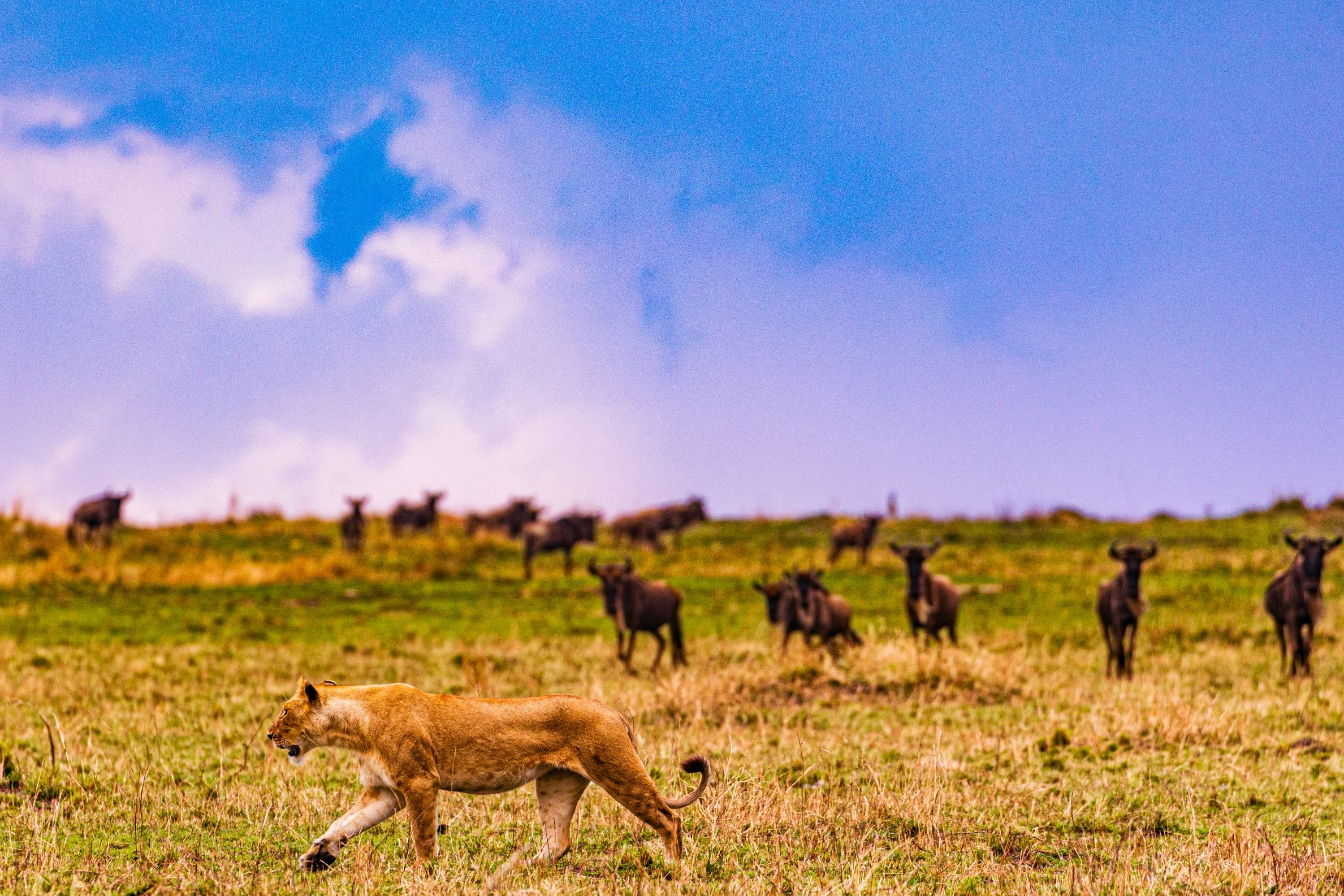
7-Day Tanzania Safari Itinerary – Ultimate First-Time Adventure Route for an Unforgettable Wildlife Journey
A well-planned 7-Day Tanzania Safari Itinerary is the perfect way for first-time travelers to experience the breathtaking landscapes, wildlife diversity, and cultural richness of northern Tanzania. From the endless plains of the Serengeti to the wildlife-filled crater floor of Ngorongoro, this carefully structured journey offers an ideal balance of adventure and comfort. Tanzania is home to some of the most important ecosystems on Earth, protected and studied by organizations such as WWF, IUCN, and African Wildlife Foundation. These conservation efforts ensure that travelers can witness iconic species in their natural habitats while supporting sustainable tourism.
For travelers visiting East Africa for the first time, choosing the right route is crucial. Northern Tanzania provides the most accessible and wildlife-rich circuit in Africa. With carefully timed game drives, comfortable lodges, and expert local guides, this safari route maximizes wildlife sightings while minimizing travel stress. If you are planning a life-changing wildlife adventure with trusted local experts, explore the professional safari planning services at Relax Africa Safari, where customized safari experiences are designed to match your interests and travel style.
Table of Contents
ToggleOverview of the 7-Day Tanzania Safari Itinerary
This safari package follows Tanzania’s famous Northern Circuit, which includes Tarangire National Park, Serengeti National Park, and the Ngorongoro Conservation Area. These locations collectively represent one of the most important wildlife regions in the world and are widely researched by institutions such as the Wildlife Conservation Society, BirdLife International, and the Jane Goodall Institute. The route has been carefully designed to reduce long driving hours while maximizing time spent observing wildlife.
Travelers begin their journey in Arusha, often called the safari capital of East Africa. From there, the adventure moves through ancient baobab forests in Tarangire, across the vast Serengeti plains known globally through research published by institutions such as National Geographic and Smithsonian Institution, and finally into the Ngorongoro Crater, one of the world’s most extraordinary geological formations recognized by UNESCO.
The itinerary balances wildlife viewing, comfortable accommodation, and scenic landscapes. It also supports responsible tourism aligned with environmental policies advocated by the United Nations Environment Programme and research initiatives from the World Bank related to sustainable wildlife tourism.
Detailed Itinerary for the 7-Day Tanzania Safari Itinerary
Day 1 – Arrival in Arusha
Your safari begins upon arrival at Kilimanjaro International Airport, where a professional guide will welcome you and transfer you to your hotel in Arusha. The city sits at the foothills of Mount Meru and serves as the gateway to northern Tanzania’s wildlife parks. During the evening, travelers receive a comprehensive safari briefing covering wildlife safety, photography tips, and conservation awareness supported by global agreements such as the Convention on Biological Diversity and CITES.
Day 2 – Tarangire National Park Safari
After breakfast, the journey continues toward Tarangire National Park, famous for its ancient baobab trees and large elephant herds. Wildlife researchers working with the Global Biodiversity Information Facility have documented remarkable biodiversity in this ecosystem. Game drives reveal elephants, giraffes, zebras, wildebeest, and predators such as lions and leopards.
Tarangire’s river becomes a vital water source during the dry season, attracting thousands of animals. The park is also recognized for its birdlife, which is monitored by global organizations including BirdLife International. After a full day of exploration, travelers overnight in a lodge near the park.
Day 3 – Journey to Serengeti National Park
The third day of the 7-Day Tanzania Safari Itinerary takes travelers through the Ngorongoro highlands before entering the legendary Serengeti ecosystem. Serengeti National Park is widely studied by scientists from institutions like the Panthera Conservation Organization and the Oxford Wildlife Conservation Research Unit. The park’s ecosystem supports the largest terrestrial mammal migration on Earth.
During the drive, wildlife sightings begin immediately. Vast savannah landscapes stretch across the horizon, providing a perfect habitat for lions, cheetahs, and hyenas. Travelers often stop at scenic viewpoints before arriving at a safari lodge deep inside the park.
Day 4 – Full Day Serengeti Wildlife Exploration
A full day in Serengeti allows visitors to witness wildlife behavior at different times of the day. Morning game drives often reveal predators returning from nighttime hunts, while afternoon drives showcase grazing herbivores moving across the plains. Satellite monitoring by agencies such as NASA Earth Data has helped researchers understand migration patterns across the ecosystem.
Experienced guides track animals using both traditional knowledge and modern wildlife research methods. Travelers may encounter lions resting in the shade, cheetahs scanning the plains for prey, and large elephant families moving through acacia woodlands.
Day 5 – Serengeti to Ngorongoro Conservation Area
After breakfast, the safari continues toward the Ngorongoro Conservation Area. Along the way, travelers may stop at archaeological sites connected to early human history studied by institutions such as National Geographic Society and researchers working with the Tanzania Wildlife Research Institute.
The Ngorongoro region represents a unique conservation model where wildlife and local communities coexist. International development organizations such as UNDP study this area as an example of sustainable land management. Travelers overnight on the crater rim, where panoramic views stretch across the volcanic caldera.
Day 6 – Ngorongoro Crater Safari
Descending into the crater reveals one of Africa’s most concentrated wildlife habitats. The crater floor hosts lions, black rhinos, hippos, and large herds of wildebeest and zebras. Ecological studies supported by the Food and Agriculture Organization and conservation organizations worldwide highlight the importance of this protected ecosystem.
Game drives often last several hours, allowing travelers to explore lakes, forests, and grasslands within the crater. After an unforgettable wildlife experience, the journey returns to Arusha for the final overnight stay.
Day 7 – Departure
The final day includes breakfast and a transfer to Kilimanjaro International Airport for departure. Travelers often reflect on the incredible diversity of wildlife, landscapes, and cultures experienced during this safari. Many visitors choose to extend their stay with additional tours arranged through Relax Africa Safari Tanzania Safaris to explore more destinations within the region.
Inclusions
- Professional English-speaking safari guide
- All park entry fees and conservation fees
- Comfortable safari vehicle with pop-up roof
- Accommodation in selected safari lodges
- Daily meals during the safari
- Airport transfers in Arusha
- Bottled drinking water during game drives
Exclusions
- International flights
- Travel insurance
- Personal expenses and souvenirs
- Optional cultural tours
- Visa fees for Tanzania
- Tips for guides and lodge staff
Why Choose This Safari Package
This itinerary is designed specifically for travelers visiting Tanzania for the first time. The route avoids unnecessary long drives while covering the most important wildlife destinations in East Africa. It also supports conservation principles promoted by global organizations such as Conservation International and wildlife monitoring initiatives worldwide.
Another advantage is the expertise of local guides who understand animal behavior and ecosystems in detail. Their knowledge helps travelers observe wildlife responsibly while respecting conservation guidelines. When booked with experienced safari planners through Relax Africa Safari packages, travelers also benefit from personalized service, reliable logistics, and carefully selected accommodations.
For many visitors, the emotional highlight of this journey is witnessing Africa’s iconic wildlife in open landscapes that remain largely unchanged for thousands of years. The combination of expert guidance, scientific conservation efforts, and carefully planned travel routes makes this safari one of the most rewarding wildlife experiences available anywhere in the world.
Pricing of the Itinerary
The cost of a 7-Day Tanzania Safari Itinerary varies depending on accommodation level, travel season, and group size. On average, pricing falls within the following ranges:
- Budget Safari: $1,900 – $2,400 per person
- Mid-Range Safari: $2,500 – $3,400 per person
- Luxury Safari: $3,500 – $5,500 per person
These prices generally include accommodation, park fees, meals, and guided game drives. Seasonal wildlife events such as the Serengeti migration may affect pricing and availability. For detailed quotations and customizations, travelers can consult the safari specialists at Relax Africa Safari travel planners.
By combining legendary wildlife destinations, expert guiding, and responsible tourism practices, this carefully designed journey ensures that travelers experience the very best of Tanzania’s natural heritage. The memories created during this safari often last a lifetime, making it one of the most valuable travel experiences available in Africa.