

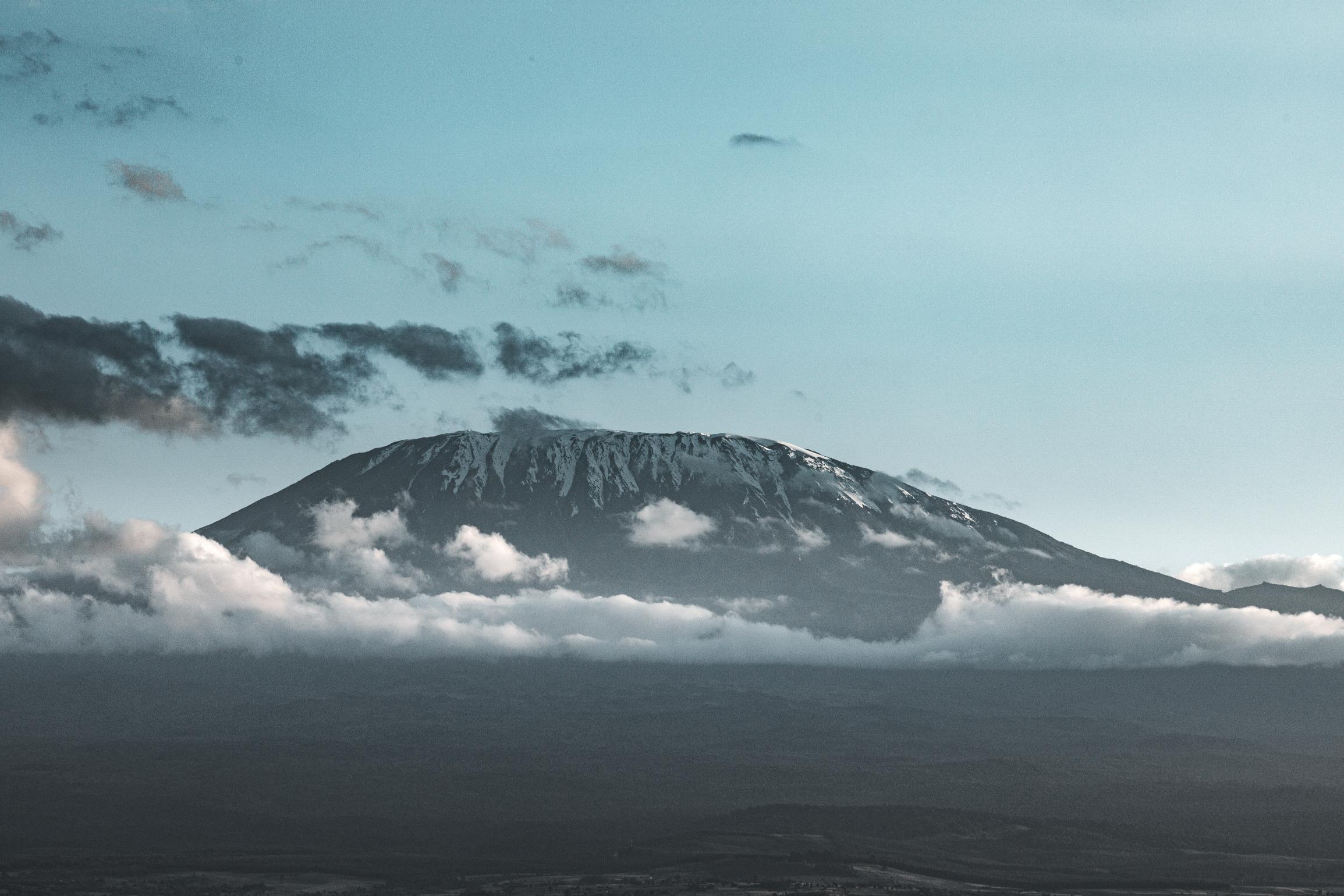
Climb Mount Kilimanjaro the Smart Way if you want a journey that feels personal, safe, and unforgettable rather than rushed and crowded. Many travelers dream of standing on Africa’s highest peak, but only a few truly experience it the right way—avoiding packed routes, choosing ethical guides, and enjoying clear, breathtaking views along the way. This guide is designed to help you plan a smarter climb for 2026, 2027, and 2028 while ensuring comfort, safety, and a deeper connection to the mountain.
Mount Kilimanjaro is not just a hike—it’s a life milestone. Rising above the plains of Tanzania, it offers five distinct climate zones, from lush rainforest to arctic summit. Yet, success depends on preparation and smart choices. Whether it’s selecting the right route, traveling during low-traffic seasons, or partnering with trusted local operators like Relax Africa Safari, every detail shapes your experience.
Why You Should Climb Mount Kilimanjaro the Smart Way
Choosing to Climb Mount Kilimanjaro the Smart Way means prioritizing quality over shortcuts. Many climbers fail because they rush the process or pick cheaper options that compromise safety. A smart climb focuses on acclimatization, expert guidance, and proper pacing. These elements significantly increase your chances of reaching Uhuru Peak successfully.
Research from organizations like National Geographic and Encyclopedia Britannica highlights that altitude sickness is the leading challenge on Kilimanjaro. By choosing longer routes and experienced guides, climbers dramatically improve success rates. This is why planning matters more than physical strength alone.
Another key advantage is avoiding overcrowded trails. Popular routes like Marangu can feel busy, especially during peak seasons. By selecting alternative paths and strategic dates, you gain quieter trails, better photo opportunities, and a more immersive experience.
Understanding Kilimanjaro’s Unique Ecosystem
Kilimanjaro’s ecosystem is one of the most diverse in the world. According to World Wildlife Fund, the mountain hosts unique flora and fauna adapted to extreme conditions. From rainforest monkeys to alpine desert plants, every step reveals something new.
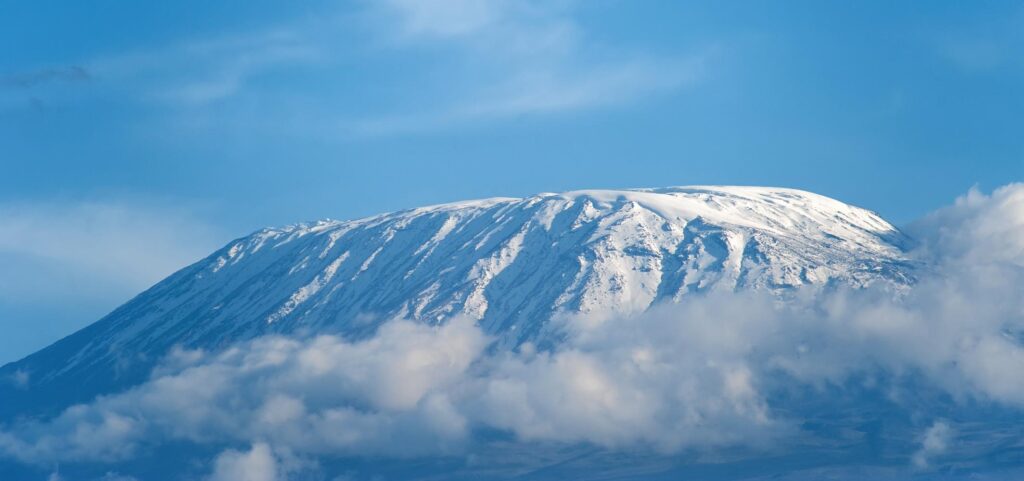
Scientific studies by NASA also show that Kilimanjaro’s glaciers are rapidly shrinking due to climate change. Climbing responsibly and supporting sustainable tourism helps preserve this iconic landscape for future generations.
Best Routes to Climb Mount Kilimanjaro the Smart Way
Not all routes are equal. To Climb Mount Kilimanjaro the Smart Way, you need to pick a route that balances scenery, acclimatization, and crowd levels. The right choice can make your journey smoother and more enjoyable.
Lemosho Route: Scenic and Less Crowded
The Lemosho Route is widely considered the best option for a smart climb. It offers stunning landscapes and gradual altitude gain, which improves success rates. According to UN Environment Programme, longer routes allow better adaptation to altitude.
Northern Circuit: Ultimate Quiet Experience
The Northern Circuit is the longest route and the least crowded. It circles the mountain, providing panoramic views and a peaceful trekking experience. This route is ideal for those who want solitude and maximum acclimatization.
Machame Route: Balanced and Popular
Known as the “Whiskey Route,” Machame offers a good balance between challenge and beauty. While more popular, it still provides excellent scenery and high success rates when done over seven days or more.
For expert planning and route selection, visit Relax Africa Safari to explore tailored itineraries.
Best Time to Climb Mount Kilimanjaro the Smart Way
Timing plays a huge role in your experience. The best months are January to March and June to October. However, if you want fewer crowds, consider shoulder seasons like early June or late October.
Weather data from NOAA shows that these periods offer clearer skies and stable conditions. Avoiding peak holiday periods ensures a quieter climb and better views.
Weather Patterns and Visibility
Clear mornings and minimal rainfall enhance visibility. According to UK Met Office, high-altitude weather can change rapidly, so flexibility is essential.
Real Guides Make the Difference
One of the most important aspects of a smart climb is choosing experienced local guides. Professional guides understand altitude symptoms, weather changes, and emergency protocols.
Organizations like The Mountaineers emphasize that trained guides significantly increase safety and summit success. Supporting local guides also contributes to community development.
Booking through Relax Africa Safari ensures ethical practices, fair wages, and highly trained teams.
Training and Preparation for Kilimanjaro
Preparation is key to success. While Kilimanjaro does not require technical climbing skills, it demands endurance and mental strength.
Physical Training
Experts from CDC recommend cardiovascular training, hiking, and strength exercises. Building stamina helps you handle long trekking days.
Mental Readiness
Mental resilience is just as important. Research from American Psychological Association shows that mindset plays a crucial role in endurance activities.
Essential Gear for a Smart Climb
Having the right gear ensures comfort and safety. Key items include layered clothing, proper boots, and sleeping bags rated for extreme cold.
Guidelines from REI Expert Advice highlight the importance of moisture-wicking fabrics and reliable equipment.
Responsible and Sustainable Climbing
Climbing responsibly protects Kilimanjaro’s environment. Follow Leave No Trace principles and support eco-friendly operators.
Organizations like Leave No Trace Center and IUCN stress the importance of sustainable tourism practices.
Accommodation and Logistics
Most routes involve camping, except Marangu, which offers huts. High-quality operators provide comfortable tents, nutritious meals, and proper sanitation.
Plan your logistics with Relax Africa Safari for a seamless experience from arrival to summit.
Costs and Budgeting for 2026–2028
The cost of climbing Kilimanjaro varies depending on the route and services. A smart climb focuses on value rather than the lowest price.
Data from World Bank shows that sustainable tourism investments benefit both travelers and local communities.
Safety Tips for a Successful Summit
Safety should always come first. Stay hydrated, walk slowly, and listen to your guide. Recognizing early signs of altitude sickness is crucial.
Medical advice from World Health Organization emphasizes gradual ascent and proper acclimatization.
FAQs About Climbing Kilimanjaro the Smart Way
1. How long does it take to climb Kilimanjaro?
Most climbs take 6–9 days depending on the route and acclimatization schedule.
2. Do I need prior climbing experience?
No technical experience is required, but good fitness helps.
3. What is the success rate?
Success rates vary from 50% to over 90%, depending on route and preparation.
4. Is altitude sickness common?
Yes, but proper acclimatization reduces risks significantly.
5. Can beginners climb Kilimanjaro?
Yes, with proper training and guidance.
6. Why choose a local operator?
Local operators provide authentic experiences and support communities.
Conclusion: Your Smart Kilimanjaro Journey Starts Here
Choosing to Climb Mount Kilimanjaro the Smart Way transforms your adventure into something truly meaningful. By avoiding crowds, selecting the right route, and working with experienced guides, you increase your chances of success while enjoying every moment of the journey.
For a seamless and unforgettable experience, explore tailored climbing packages at Relax Africa Safari. Your journey to the Roof of Africa deserves nothing less than the smartest approach.