

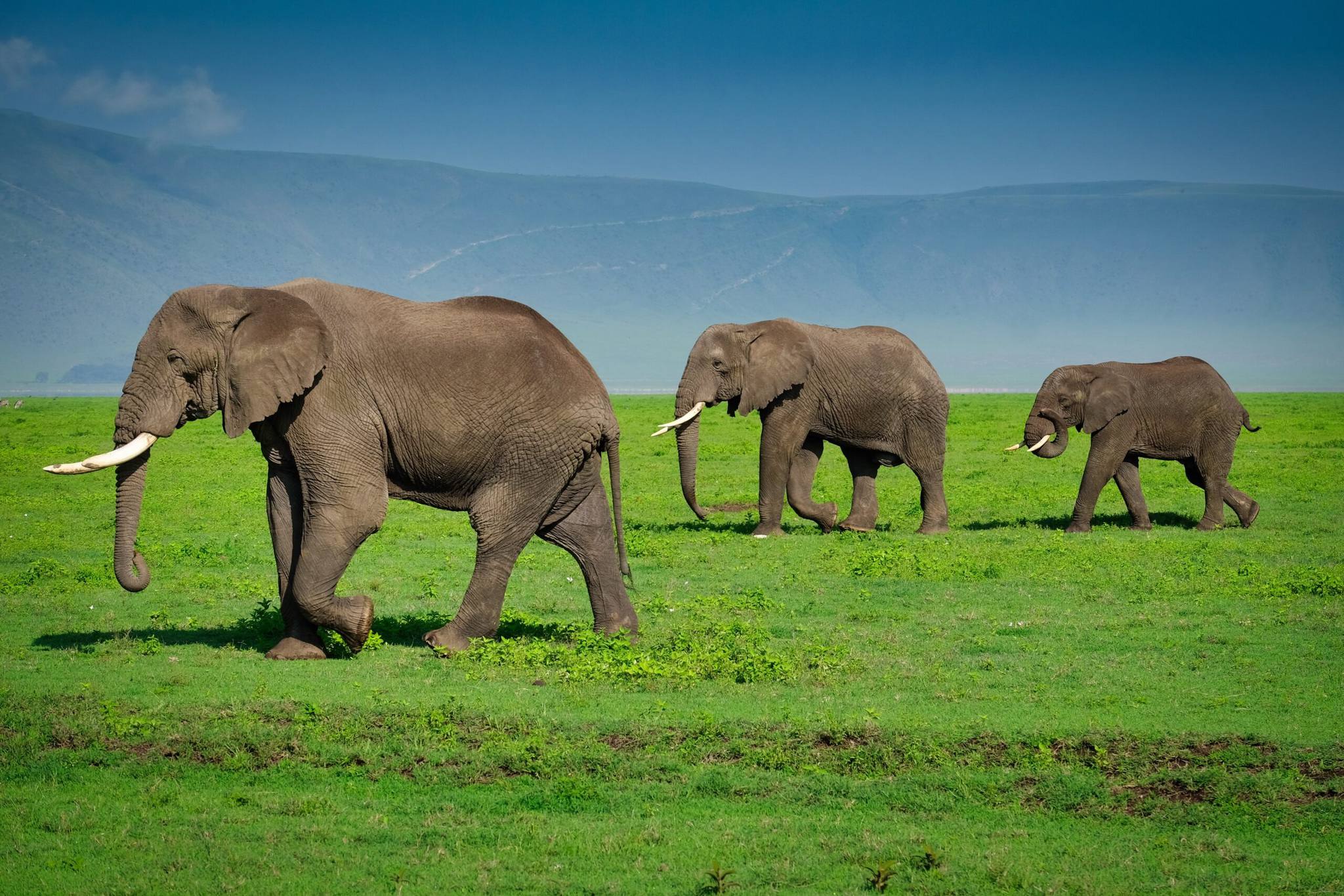
12 Facts about the Ngorongoro Crater 2026, 2027 and 2028 offer a fascinating look into one of Africa’s most extraordinary natural landscapes. Located in northern Tanzania, this vast volcanic caldera is often described as a natural wildlife sanctuary, and for good reason. It combines breathtaking scenery with an incredible concentration of animals, making it one of the most rewarding safari destinations in the world. As we move into 2026, 2027, and 2028, new conservation efforts, tourism trends, and ecological discoveries continue to shape how travelers experience this iconic location.
The Ngorongoro Crater is more than just a scenic attraction. It is a living ecosystem that supports thousands of animals, including some of the most endangered species on Earth. Visitors can witness nature at its purest while also learning about the delicate balance required to preserve such a unique environment. If you are planning a safari, explore more curated options at Relax Africa Safari to experience the region in comfort and style.
1. The Largest Intact Volcanic Caldera in the World
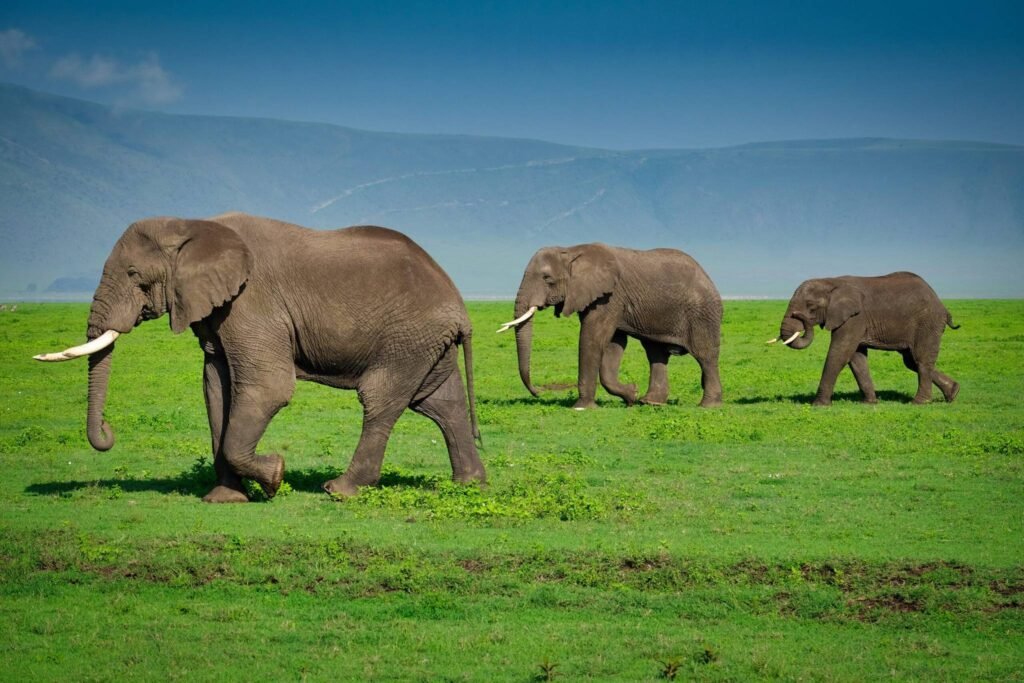
The Ngorongoro Crater is the largest unbroken volcanic caldera globally, spanning over 260 square kilometers. Formed around two to three million years ago after a massive volcanic eruption, it created a natural enclosure that now supports diverse ecosystems. According to US Geological Survey, calderas of this scale are extremely rare, making Ngorongoro a geological treasure.
2. Home to Over 25,000 Large Animals
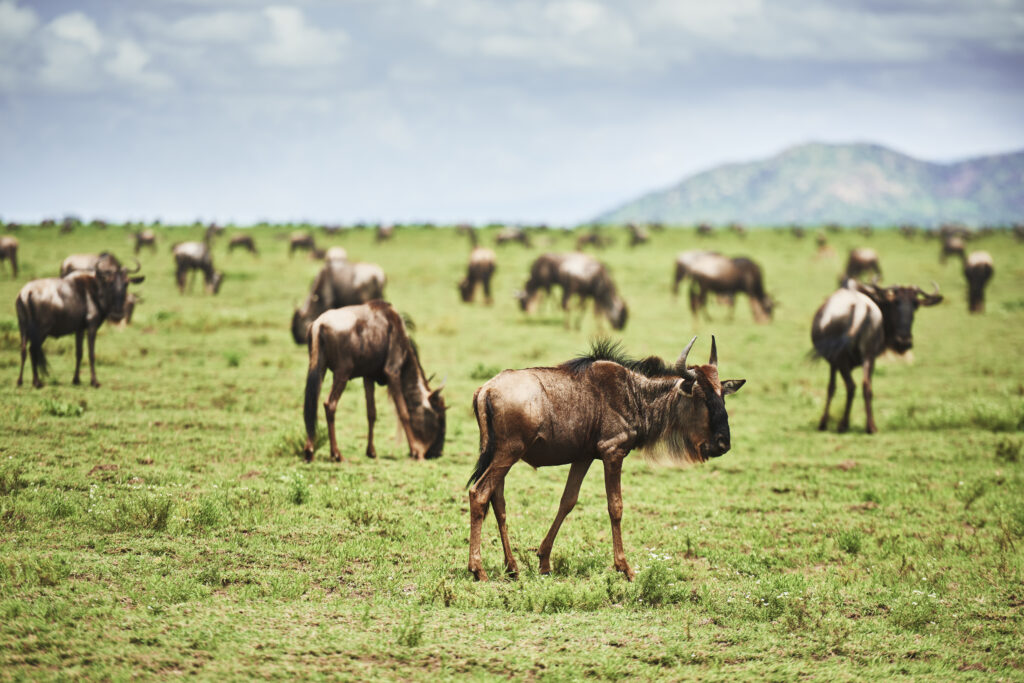
This natural basin hosts more than 25,000 large mammals, including lions, elephants, buffalo, and zebras. The crater’s enclosed nature creates a stable environment where animals thrive year-round. Organizations like World Wildlife Fund emphasize the importance of such ecosystems in maintaining biodiversity.
3. One of the Best Places to See the Big Five
Travelers searching for the Big Five—lion, leopard, elephant, rhino, and buffalo—will find the Ngorongoro Crater unmatched. It is one of the few places in Africa where you can spot all five in a single day. For safari planning, consider tailored packages at Ngorongoro Crater Safari.
4. A UNESCO World Heritage Site
Recognized by UNESCO, the Ngorongoro Conservation Area is both a natural and cultural heritage site. This dual recognition highlights not only its ecological importance but also its significance to indigenous communities like the Maasai.
5. Unique Human-Wildlife Coexistence
The Maasai people live within the conservation area, practicing traditional pastoralism alongside wildlife. This coexistence is studied by institutions like National Geographic Society as a model for sustainable living.
6. A Haven for Endangered Black Rhinos
The crater is one of the last strongholds for the critically endangered black rhino. Conservation groups such as IUCN monitor their population closely to ensure survival.
7. Rich Birdlife with Over 500 Species
Bird enthusiasts will be delighted by the crater’s avian diversity. Flamingos, ostriches, and crowned cranes are just a few highlights. Research from BirdLife International confirms the area as a key biodiversity hotspot.
8. The Crater Floor Has Its Own Microclimate
The enclosed nature of the crater creates a distinct microclimate. Rainfall, temperature, and vegetation differ from surrounding highlands, allowing varied habitats to coexist. Studies by Nature Research highlight how such ecosystems evolve independently.
9. Lake Magadi: A Seasonal Soda Lake
At the center of the crater lies Lake Magadi, a shallow alkaline lake that attracts flamingos. Seasonal changes influence its size and salinity, making each visit unique.
10. One of Africa’s Most Scenic Safari Destinations
The panoramic views from the crater rim are breathtaking. Many travelers describe it as a natural amphitheater filled with wildlife. Plan your journey with Tanzania Safari Packages for a seamless experience.
11. Strict Conservation Regulations
To protect the ecosystem, strict rules govern tourism and land use. The Ngorongoro Conservation Area Authority ensures that human activity does not disrupt wildlife.
12. Future Conservation Efforts (2026–2028)
Looking ahead, new conservation strategies aim to balance tourism with sustainability. Partnerships with organizations like UN Environment Programme focus on climate resilience and biodiversity protection.
Why Visit the Ngorongoro Crater Between 2026 and 2028?
The coming years promise improved infrastructure, enhanced conservation efforts, and more responsible tourism practices. Visitors will benefit from better-guided experiences and deeper insights into the region’s ecology. For a premium safari experience, explore Luxury Safaris tailored to your preferences.
Travel Tips for First-Time Visitors
Plan your visit during the dry season for optimal wildlife viewing. Pack warm clothing for early morning drives, as temperatures can be cool. Booking with experienced operators like Relax Africa Safari ensures a smooth and memorable journey.
Conclusion
The Ngorongoro Crater remains one of Africa’s most remarkable destinations. These 12 facts highlight its geological significance, rich biodiversity, and cultural importance. As conservation efforts evolve through 2026, 2027, and 2028, the crater continues to inspire travelers and researchers alike. Whether you are a first-time visitor or a seasoned explorer, this natural wonder offers an unforgettable experience that blends adventure with education.