

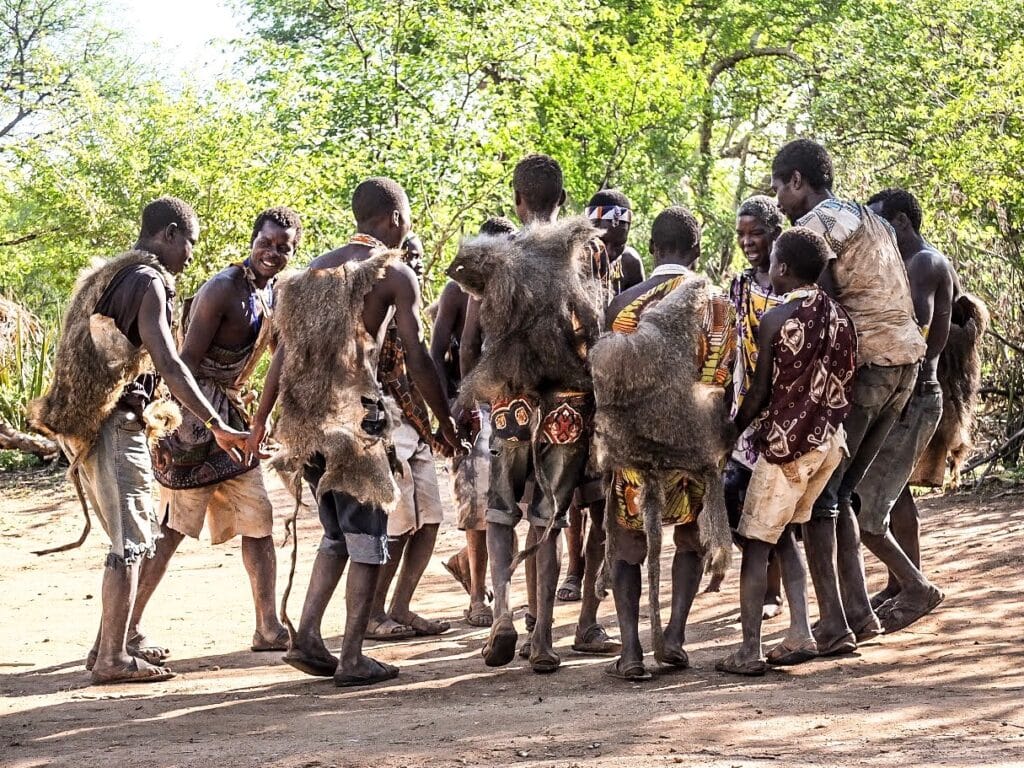
The Hadza Tribe: Tanzania’s Modern Primitive People 2026, 2027 and 2028 represents one of the most fascinating living cultures on Earth, offering a rare window into humanity’s earliest ways of life. Deep in northern Tanzania near Lake Eyasi, the Hadza people continue to live as hunter-gatherers, largely untouched by modern societal structures. Their lifestyle is not a performance for visitors but a genuine continuation of traditions that have existed for tens of thousands of years. As interest in cultural travel grows between 2026 and 2028, understanding this community respectfully and authentically becomes more important than ever.
Unlike many indigenous groups that have transitioned into agriculture or urban life, the Hadza remain committed to their ancestral practices. They hunt using handmade bows and arrows, gather wild fruits and tubers, and rely on deep ecological knowledge passed through generations. Their existence challenges modern assumptions about progress and happiness, showing that simplicity and sustainability can coexist with fulfillment.
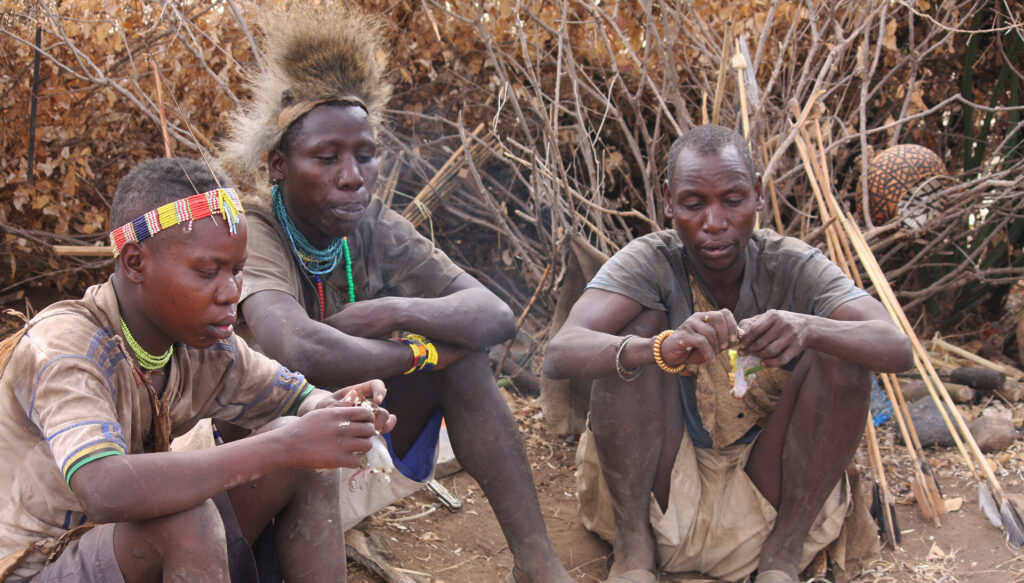
The Hadza Tribe: Tanzania’s Modern Primitive People 2026, 2027 and 2028 Cultural Background
The Hadza are believed to be among the oldest continuous cultures in the world, with genetic and linguistic roots that stretch back thousands of years. Their language, characterized by distinctive click sounds, is unrelated to most other languages in Tanzania. This uniqueness reflects their long isolation and independence from neighboring tribes.
Anthropologists and researchers from institutions like National Geographic and Smithsonian Magazine have studied the Hadza extensively, highlighting their resilience and adaptability. Studies published through Nature and ScienceDirect confirm that their diet and lifestyle contribute to remarkable physical health and social cohesion.
Despite pressures from modernization, land encroachment, and tourism, the Hadza maintain their identity. Organizations such as Survival International and IUCN advocate for their land rights and cultural preservation.
Daily Life and Survival Skills
Daily life among the Hadza revolves around survival, but not in a stressful sense. It is a rhythm shaped by nature. Men typically hunt small game like birds and antelope using bows crafted from local wood and arrows tipped with poison derived from plants. Women gather berries, baobab fruit, and tubers, contributing significantly to the community’s food supply.
This balance between hunting and gathering ensures food security without overexploiting the environment. Research from World Wildlife Fund and Conservation International highlights how indigenous practices like those of the Hadza promote biodiversity conservation.
Children learn by observation rather than formal education, developing skills naturally as they grow. This method fosters independence and deep environmental awareness, qualities often missing in modern societies.
Why Visit The Hadza Tribe: Tanzania’s Modern Primitive People 2026, 2027 and 2028
Traveling to meet the Hadza is not about sightseeing; it is about connection and understanding. Visitors gain insight into a way of life that predates agriculture, offering perspective on human history and sustainability. Ethical tourism ensures that these interactions are respectful and beneficial to the community.
Planning your visit with trusted operators like Relax Africa Safari ensures a responsible and immersive experience. You can explore curated itineraries such as cultural tours in Tanzania, Lake Eyasi experiences, Tanzania safari packages, and Ngorongoro tours that integrate Hadza visits thoughtfully.
These experiences often include guided walks, participation in hunting or gathering (as observers), and storytelling sessions around the fire. Each moment offers a deeper appreciation of the Hadza worldview.
Ethical Travel Considerations
Visiting indigenous communities requires sensitivity. It is essential to avoid intrusive behavior, respect privacy, and follow guidance from local hosts. Organizations like UNESCO and United Nations emphasize the importance of protecting intangible cultural heritage.
Tourists should choose operators committed to ethical practices, ensuring that visits do not disrupt daily life or exploit the community. Supporting initiatives backed by Oxfam and Amnesty International can also contribute to broader social impact.
Environment and Location
The Hadza live around Lake Eyasi, a seasonal salt lake located in the Great Rift Valley. This environment is characterized by dry savannah, rocky hills, and scattered woodlands. It provides a rich variety of resources that sustain the Hadza lifestyle.
Ecological studies from National Geographic Society and World Bank emphasize the importance of preserving such ecosystems, not only for biodiversity but also for cultural heritage.
The Hadza’s knowledge of plants and animals is extensive. They can identify edible species, medicinal herbs, and water sources even in harsh conditions. This expertise is a testament to their deep connection with the land.
Wildlife and Natural Resources
The region around Lake Eyasi hosts diverse wildlife, including baboons, birds, and small antelope. The Hadza hunt selectively, ensuring that populations remain stable. Their practices align with conservation principles promoted by African Wildlife Foundation and Fauna & Flora International.
This sustainable approach contrasts sharply with industrial exploitation, offering valuable lessons for global conservation efforts.
Modern Challenges Facing the Hadza
Despite their resilience, the Hadza face significant challenges. Land encroachment from agriculture and tourism threatens their territory. Climate change also affects resource availability, altering traditional patterns of life.
Reports from IPCC and UNEP highlight how indigenous communities are among the most vulnerable to environmental changes. Advocacy groups continue to push for stronger protections and recognition of Hadza land rights.
Efforts supported by FAO and IFAD aim to balance development with cultural preservation, ensuring that the Hadza can continue their way of life.
Education and Cultural Preservation
Introducing formal education to Hadza children is a complex issue. While it offers opportunities, it can also disrupt traditional knowledge systems. Programs developed with input from organizations like UNICEF seek to integrate education without eroding cultural identity.
Preservation efforts also include documenting language and traditions, ensuring that future generations can access their heritage.
Planning Your Visit in 2026, 2027, and 2028
Travel trends indicate growing interest in authentic cultural experiences. Planning ahead is essential, especially as responsible tourism becomes more regulated. Booking through reputable providers ensures compliance with ethical standards and enhances your experience.
Explore tailored journeys via Relax Africa Safari for a seamless and meaningful visit. Combining Hadza experiences with wildlife safaris creates a balanced itinerary that showcases Tanzania’s diversity.
Best Time to Visit
The dry season, typically from June to October, offers the best conditions for visiting the Hadza. During this period, wildlife is more visible, and the weather is favorable for outdoor activities. However, visits are possible year-round with proper planning.
Travel Tips
Travelers should pack light, wear comfortable clothing, and bring essentials like sunscreen and water. Respectful behavior, open-mindedness, and a willingness to learn are the most important qualities to bring on this journey.
FAQs About The Hadza Tribe: Tanzania’s Modern Primitive People 2026, 2027 and 2028
Who are the Hadza people?
The Hadza are an indigenous hunter-gatherer group living near Lake Eyasi in Tanzania, known for maintaining traditional lifestyles.
Can tourists visit the Hadza tribe?
Yes, visitors can engage in ethical tours that respect the community and support their livelihood.
What language do the Hadza speak?
They speak Hadzane, a unique language with click sounds.
How do the Hadza survive?
They rely on hunting and gathering, using traditional tools and knowledge.
Is it safe to visit?
Yes, visits are safe when organized through reputable tour operators.
Why is the Hadza lifestyle important?
It provides insight into early human life and sustainable living practices.
Conclusion
The Hadza Tribe: Tanzania’s Modern Primitive People 2026, 2027 and 2028 offers more than a travel experience; it provides a profound connection to humanity’s roots. In a rapidly changing world, their way of life reminds us of the value of simplicity, community, and harmony with nature. Visiting responsibly ensures that this unique culture continues to thrive while inspiring future generations to appreciate and protect our shared heritage.