

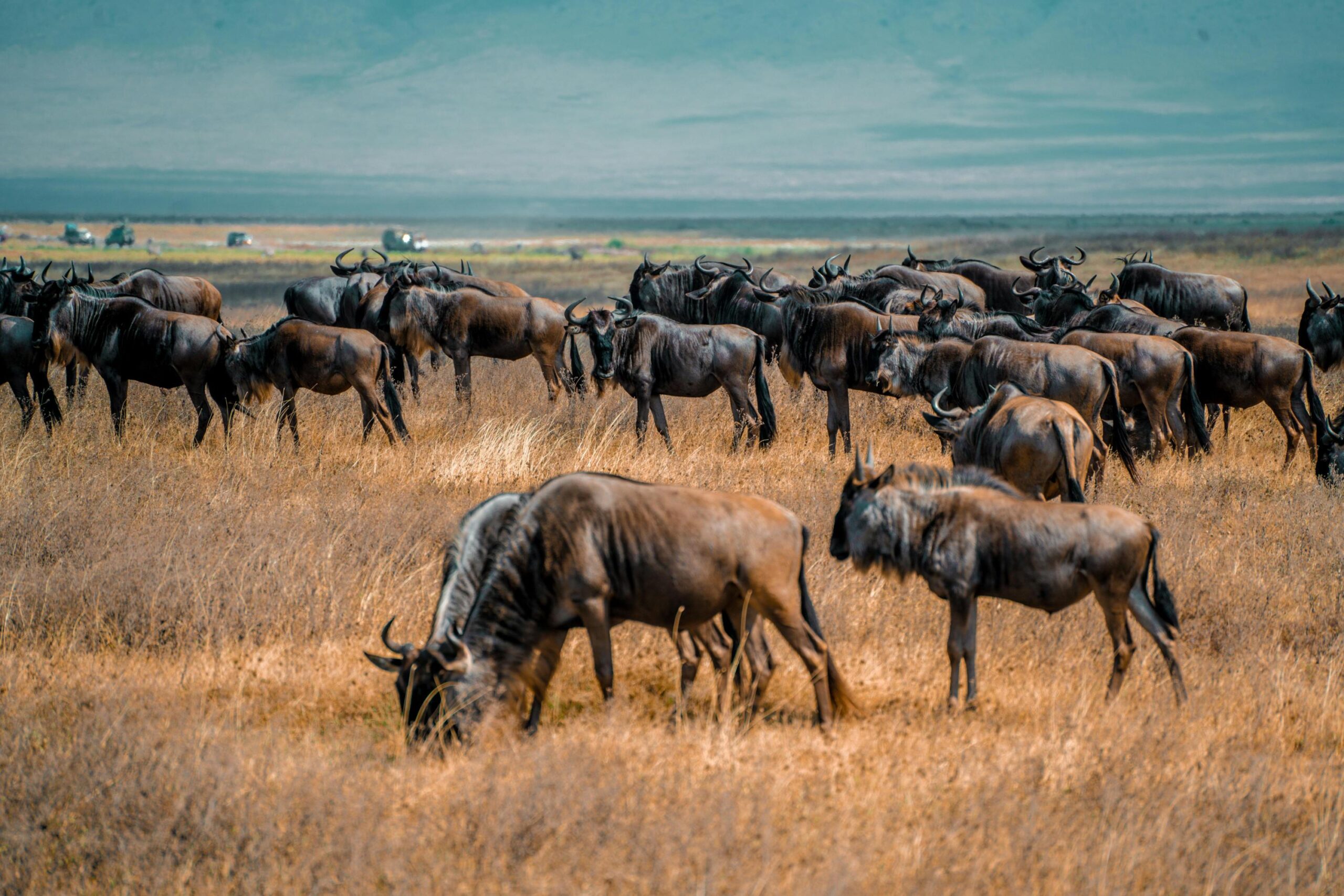
Animals in the Serengeti 2026, 2027 and 2028 will continue to captivate travelers with one of the most remarkable wildlife spectacles on Earth. The Serengeti ecosystem, stretching across northern Tanzania, remains a timeless stage where nature unfolds in raw and unforgettable ways. From the thunder of hooves during the Great Migration to the quiet elegance of predators stalking their prey, every moment in the Serengeti tells a story that feels both ancient and alive.
As conservation efforts evolve and travel trends shift, planning ahead for these upcoming years offers a unique opportunity to witness wildlife at its finest while contributing to sustainable tourism. This guide walks you through everything you need to know, from iconic animals to seasonal highlights, ensuring your safari experience is both meaningful and unforgettable.
Why the Serengeti Remains Africa’s Ultimate Wildlife Destination
The Serengeti is not just a national park; it is a living ecosystem that supports millions of animals. Its vast plains, dotted with acacia trees and intersected by rivers, create a perfect habitat for diverse species. The ecosystem is protected under IUCN guidelines and supported by organizations like WWF, ensuring long-term conservation.
Unlike many destinations, the Serengeti offers year-round wildlife viewing. This means that whether you visit in 2026, 2027, or 2028, you will always find something extraordinary happening. The park’s connection to National Geographic research initiatives further enhances its global importance.
For travelers planning their safari, exploring curated options from Relax Africa Safari ensures a well-organized and immersive experience.
Animals in the Serengeti 2026, 2027 and 2028: What to Expect
The Great Migration Continues to Dominate
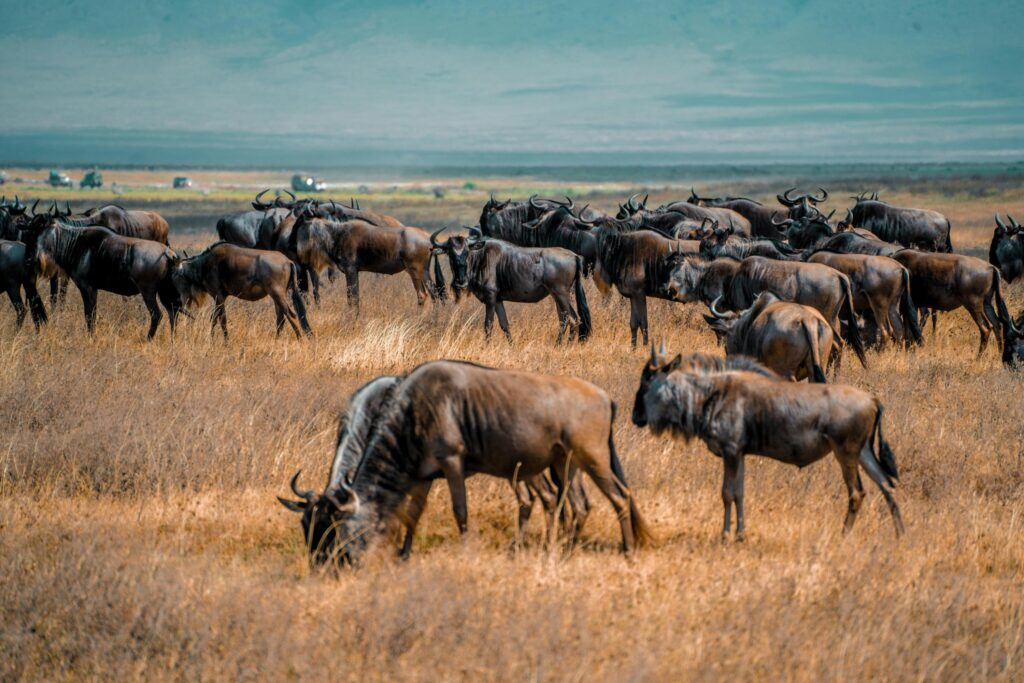
The Great Migration remains the centerpiece of Serengeti wildlife. Over 1.5 million wildebeest, accompanied by zebras and gazelles, move in a continuous cycle in search of fresh grazing. According to studies by Nature, this migration is one of the largest terrestrial animal movements in the world.
River crossings, particularly at the Mara River, provide dramatic scenes where crocodiles lie in wait. Conservation research from African Wildlife Foundation highlights how these crossings are critical for maintaining ecological balance.
Big Cats: The Kings and Queens of the Plains
The Serengeti is famous for its high density of predators. Lions, leopards, and cheetahs thrive here due to the abundance of prey. Observations supported by Panthera show that lion populations in the Serengeti are among the most stable in Africa.
Seeing a lion pride resting under a tree or a cheetah sprinting across the plains is a moment that stays with you forever. Planning your safari through expert guides increases your chances of witnessing these encounters.
Elephants and Giants of the Savannah
Elephants in the Serengeti are both majestic and intelligent. Their movements are studied by organizations like Save the Elephants, which tracks migration and behavior patterns.
In addition to elephants, giraffes, buffalo, and hippos contribute to the ecosystem’s diversity. Each species plays a role in maintaining the balance of the savannah.
Seasonal Wildlife Highlights (2026–2028)
January to March: Calving Season
This period sees thousands of wildebeest calves born daily. It is a time of abundance but also vulnerability, as predators take advantage of the young animals. Research from Britannica confirms that this season supports predator populations significantly.
April to June: Migration Movement
The herds begin moving northward, creating dramatic scenes across the plains. Rainfall patterns, studied by NOAA, influence the timing of this movement.
July to October: River Crossings
This is the most sought-after period for safari travelers. The crossings are intense and unpredictable, making each moment unique.
November to December: Return South
The herds return to the southern plains, completing the cycle. This period offers quieter but equally rewarding wildlife viewing.
Birdlife and Lesser-Known Species
While large mammals often steal the spotlight, the Serengeti is home to over 500 bird species. According to BirdLife International, the region is a critical habitat for migratory birds.
From colorful lilac-breasted rollers to powerful eagles, birdwatching in the Serengeti is a hidden gem. Smaller animals like hyenas, jackals, and servals also add depth to the ecosystem.
Conservation Efforts Shaping the Future
Efforts by organizations such as UNEP and Conservation International ensure that the Serengeti remains protected. Anti-poaching initiatives, community engagement, and research programs are all part of this effort.
Supporting ethical tourism through operators like Relax Africa Safari contributes directly to these conservation goals.
Planning Your Safari for 2026, 2027 and 2028
Planning ahead allows you to secure the best lodges and guides. The Serengeti offers a range of accommodations, from luxury camps to eco-friendly lodges. Booking early through trusted safari experts ensures availability and better pricing.
Travelers should also stay informed through reliable sources like CDC for health guidelines and WHO for travel safety updates.
Best Tips for Wildlife Viewing
Patience is key when observing animals. Early morning and late afternoon game drives offer the best chances of sightings. Guides trained by organizations like National Park Foundation understand animal behavior and enhance your experience.
Respecting wildlife and maintaining distance is essential for both safety and conservation. Following guidelines from U.S. Fish & Wildlife Service ensures responsible tourism.
Internal Travel Resources
For a seamless journey, explore safari packages at Relax Africa Safari, discover tailored itineraries, and connect with experienced guides who understand the Serengeti deeply.
Frequently Asked Questions
What animals are most common in the Serengeti?
The Serengeti hosts lions, elephants, giraffes, zebras, wildebeest, and many more species.
When is the best time to visit?
July to October is ideal for migration, while January to March is best for calving season.
Is the Serengeti safe for tourists?
Yes, with guided safaris and adherence to safety rules, it is very safe.
How many animals live in the Serengeti?
Millions of animals inhabit the ecosystem, making it one of the richest wildlife areas globally.
Can I see the Big Five?
Yes, the Serengeti offers opportunities to see all members of the Big Five.
How do I book a safari?
You can book through reputable operators like Relax Africa Safari.
Conclusion
The future of Animals in the Serengeti 2026, 2027 and 2028 looks as vibrant and awe-inspiring as ever. With ongoing conservation efforts, improved travel experiences, and a deeper understanding of wildlife behavior, these years promise unforgettable adventures for anyone seeking a true connection with nature. Planning your journey now ensures you become part of a story that continues to unfold across the golden plains of the Serengeti.