
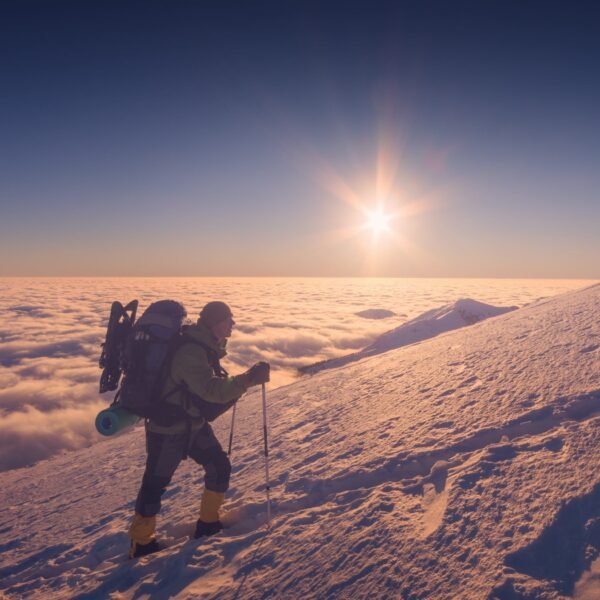
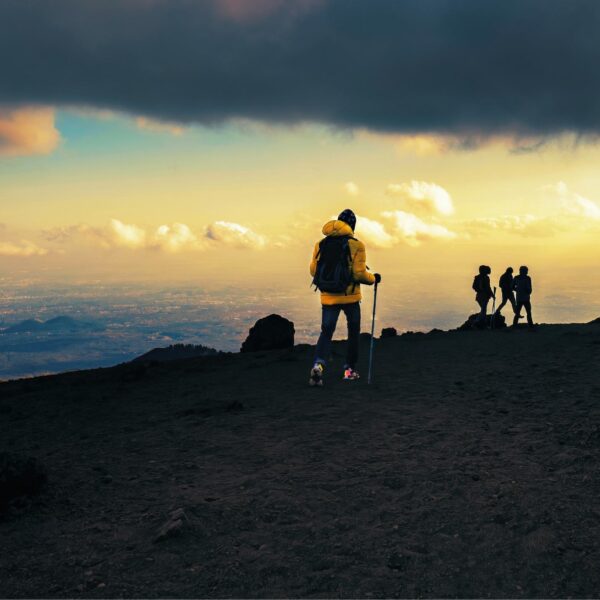
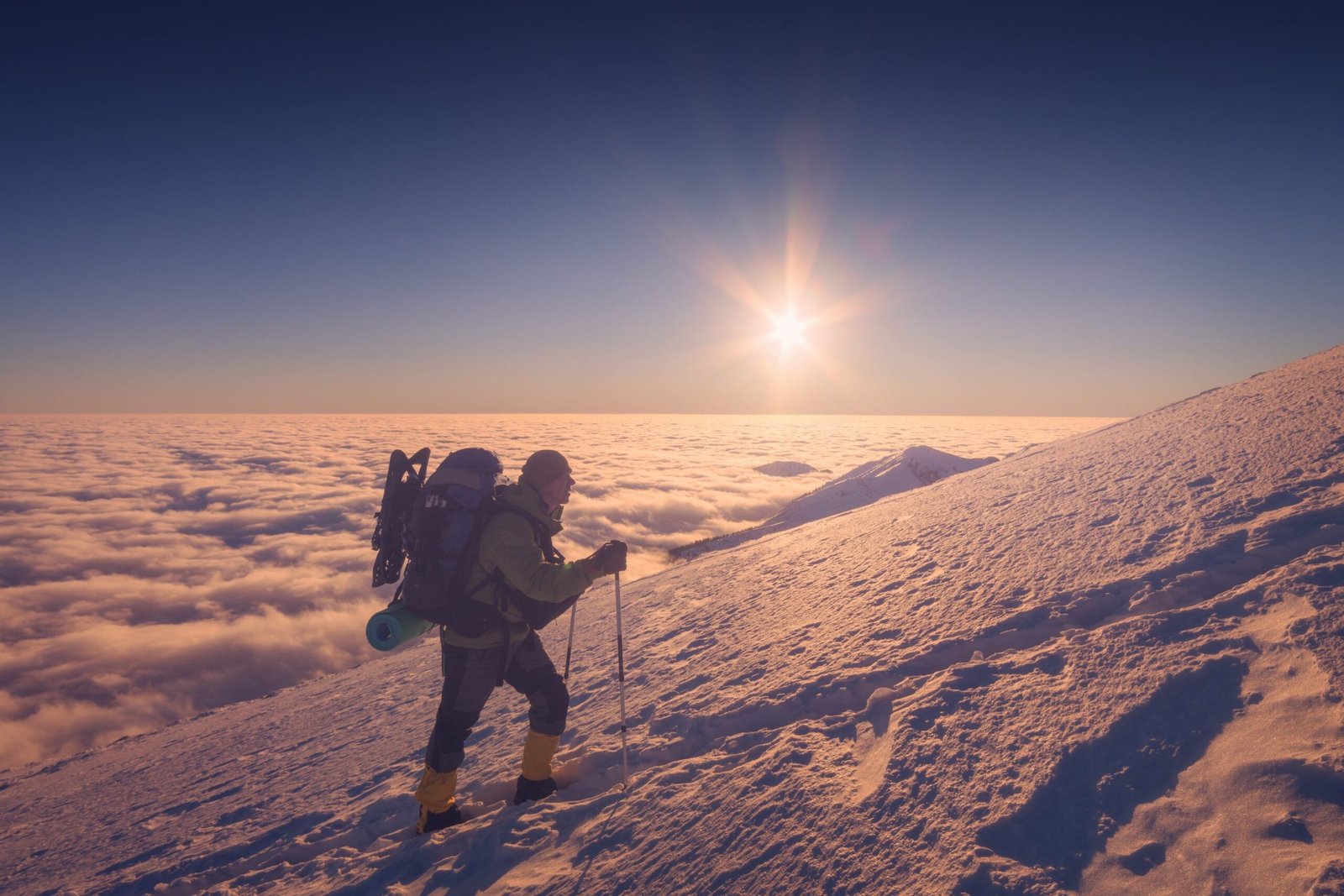
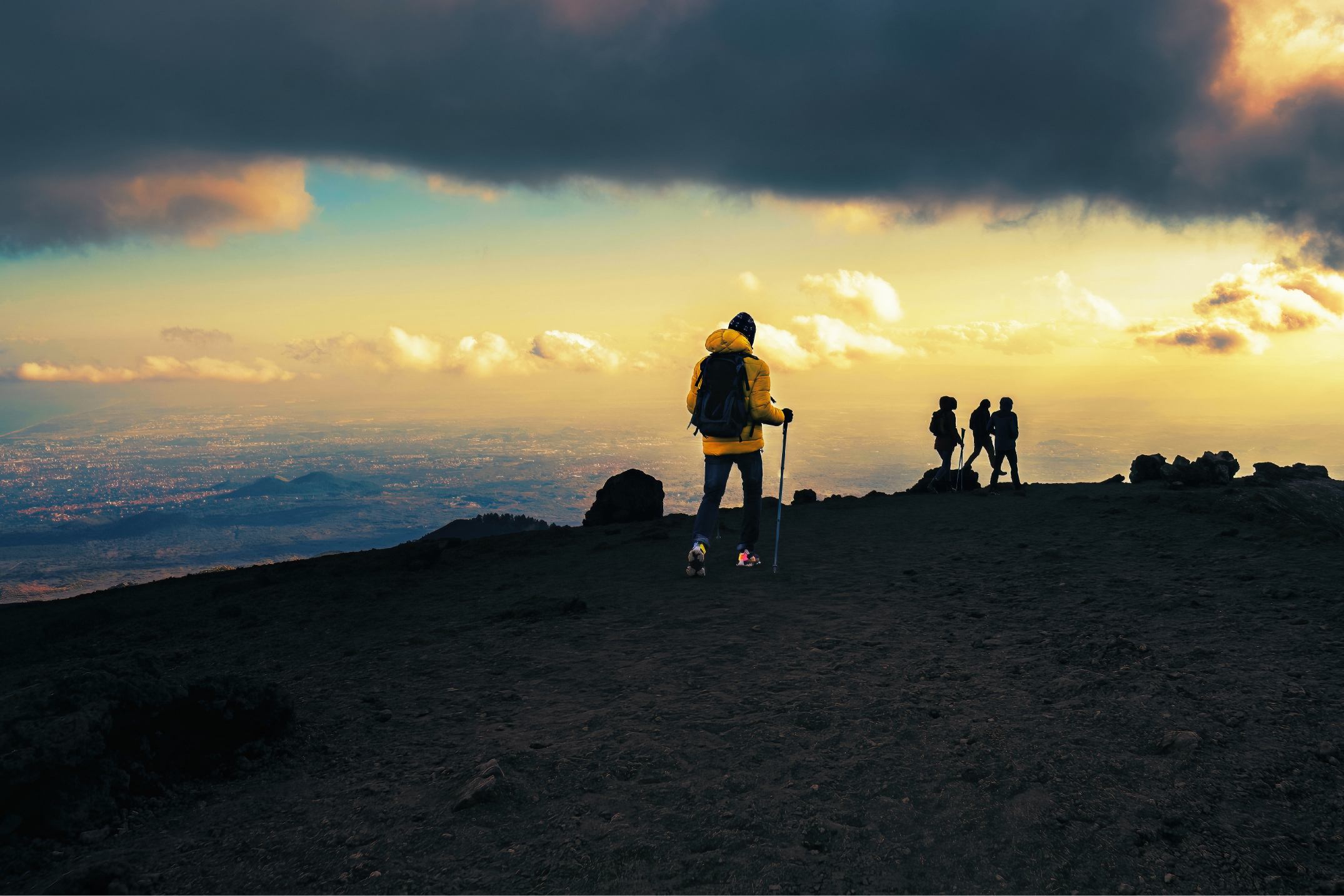
The Lemosho Route is one of the most beautiful approaches to Mount Kilimanjaro, offering a truly Scenic Kilimanjaro Trekking Adventure through some of the mountain’s most diverse and untouched terrain. This 8 Days Lemosho Route 2026, 2027, 2028 package combines diverse landscapes, gradual altitude gain, and excellent opportunities for acclimatization before reaching Uhuru Peak, the highest point in Africa.
Starting from the remote western side of Kilimanjaro, this route is known for being quieter and less crowded than routes like Machame or Marangu, giving trekkers more time to enjoy the wilderness before merging with busier trails higher up the mountain. The extra distance and additional day compared to shorter routes significantly improve summit success rates, allowing your body to adjust naturally to the thinning air.
The 8 Days Lemosho Route 2026, 2027, 2028 Kilimanjaro trek takes you from the lush rainforest, alive with colobus monkeys and birdlife, through the open moorland and the vast Shira Plateau — one of the largest volcanic calderas in the world. From there, the trail climbs across the dramatic alpine desert, a stark and otherworldly landscape, before the final push to the summit of Mount Kilimanjaro at 5,895 metres.
Every stage of the climb brings a new ecosystem, a new view, and a new physical challenge — making this route a favorite among trekkers who want more than just a summit photo, but a complete journey across Africa’s tallest mountain.
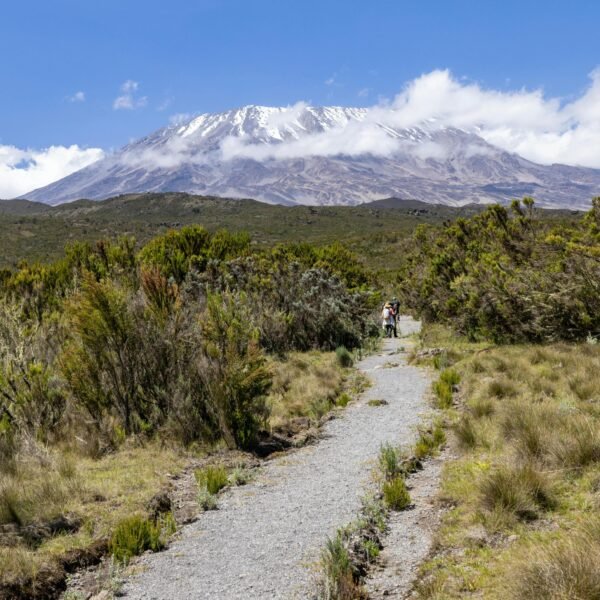
The Lemosho KIlimanjaro Klimbing Route
8 Days Lemosho Route – Kilimanjaro Trekking
Duration: 8 Days / 7 Nights
Route: Lemosho Route
Highest Point: Uhuru Peak – 5,895 m
Starting Point: Lemosho Gate
Finishing Point: Mweka Gate
Accommodation: Mountain Camping
Difficulty: Moderate to Challenging
Best For: Trekkers looking for a scenic route with gradual acclimatization
Why 8 Days Lemosho Route?
The Lemosho Route is an excellent choice for travellers who want to experience Kilimanjaro at a comfortable pace while enjoying some of the mountain’s most spectacular scenery.
- Scenic landscapes: Experience rainforest, moorland, volcanic terrain and alpine desert.
- Gradual ascent: The 8-day itinerary provides valuable time for acclimatization.
- Beautiful Shira Plateau: Enjoy expansive views across one of Kilimanjaro’s most impressive landscapes.
- Professional mountain crew: Trek with experienced guides, porters and mountain support staff.
- Uhuru Peak: Stand at 5,895 metres on the highest point in Africa.
Day-by-Day Itinerary
Day 1: Lemosho Gate to Big Tree Camp
Elevation: 2,100 m – 2,780 m
Distance: Approximately 6 km
Trekking Time: 3–4 hours
Habitat: Rainforest
Your Kilimanjaro adventure begins with a transfer to Lemosho Gate. After completing registration and park formalities, you begin trekking through the beautiful montane rainforest.
The trail is surrounded by lush vegetation as you gradually gain altitude toward Big Tree Camp.
Overnight: Big Tree Camp
Day 2: Big Tree Camp to Shira 1 Camp
Elevation: 2,780 m – 3,500 m
Distance: Approximately 8 km
Trekking Time: 5–6 hours
Habitat: Rainforest / Moorland
After breakfast, continue trekking through the forest before entering the moorland zone.
As you gain altitude, the vegetation becomes shorter and the landscape opens up, offering impressive views of the slopes of Mount Kilimanjaro.
Overnight: Shira 1 Camp
Day 3: Shira 1 Camp to Shira 2 Camp
Elevation: Approximately 3,500 m – 3,850 m
Distance: Approximately 8 km
Trekking Time: 4–5 hours
Habitat: Moorland
Today you explore the beautiful Shira Plateau.
The trail crosses open volcanic landscapes with spectacular views toward Kibo Peak. This moderate trekking day gives your body more time to adapt to the increasing altitude.
Overnight: Shira 2 Camp
Day 4: Shira 2 Camp to Barranco Camp via Lava Tower
Elevation: 3,850 m – 4,600 m – 3,960 m
Distance: Approximately 10 km
Trekking Time: 6–7 hours
Habitat: Semi-desert
Today is an important acclimatization day.
You climb toward Lava Tower at approximately 4,600 metres before descending toward Barranco Camp. This climb-high, sleep-low approach gives your body valuable exposure to higher altitude.
The dramatic Barranco Wall comes into view as you approach camp.
Overnight: Barranco Camp
Day 5: Barranco Camp to Karanga Camp
Elevation: 3,960 m – 4,035 m
Distance: Approximately 6 km
Trekking Time: 4–5 hours
Habitat: Alpine Desert
After breakfast, you tackle the famous Barranco Wall.
Although the wall looks challenging, the route is manageable for most trekkers with guidance from an experienced mountain crew.
After crossing the wall, continue through the alpine desert toward Karanga Camp.
Overnight: Karanga Camp
Day 6: Karanga Camp to Barafu Camp
Elevation: 4,035 m – 4,640 m
Distance: Approximately 4 km
Trekking Time: 4–5 hours
Habitat: Alpine Desert
Today you continue toward Barafu Camp, the final base camp before the summit attempt.
The landscape becomes increasingly rugged and barren as you approach the high-altitude summit zone.
After arriving at Barafu Camp, you have dinner and rest in preparation for the summit climb.
Overnight: Barafu Camp
Day 7: Barafu Camp to Uhuru Peak to Mweka Camp
Barafu Camp: 4,640 m
Uhuru Peak: 5,895 m
Mweka Camp: 3,080 m
Trekking Time: 12–15 hours
This is the most challenging and rewarding day of your Kilimanjaro adventure.
You begin the summit attempt around midnight, climbing slowly through the darkness toward Stella Point.
After reaching Stella Point, continue along the crater rim toward Uhuru Peak.
At 5,895 metres, you will stand on Uhuru Peak, the highest point in Africa.
After celebrating your achievement and taking photographs, begin your descent toward Barafu before continuing to Mweka Camp.
Overnight: Mweka Camp
Day 8: Mweka Camp to Mweka Gate
Elevation: 3,080 m – 1,640 m
Distance: Approximately 10 km
Trekking Time: 3–4 hours
Habitat: Rainforest
After breakfast, begin your final descent through the lush rainforest toward Mweka Gate.
At the gate, complete the park procedures and receive your summit certificate.
Our vehicle will meet you at Mweka Gate and transfer you back to your hotel in Moshi or Arusha.
End of your 8 Days Lemosho Route Kilimanjaro Adventure.
What to Pack for Kilimanjaro
- Waterproof hiking boots
- Trekking trousers
- Moisture-wicking base layers
- Thermal underwear
- Fleece jacket
- Warm insulated jacket
- Waterproof jacket
- Warm hat
- Gloves
- Hiking socks
- Sunglasses
- Sunscreen
- Headlamp
- Trekking poles
- Daypack
- Duffel bag
- Water bottles or hydration system
- Sleeping bag
- Personal toiletries
- Personal first-aid supplies
- Passport
- Travel insurance documents
Fitness and Altitude
Kilimanjaro is a physically demanding mountain, so good preparation is important.
We recommend regular walking, hiking, stair climbing and cardiovascular training before your trek.
Altitude affects everyone differently. Our experienced guides monitor trekkers throughout the journey and maintain a steady pace to support proper acclimatization.
Pole pole (slowly) is the key to a successful Kilimanjaro climb.
Best Time to Climb Kilimanjaro
Kilimanjaro can be climbed throughout the year, but the main trekking seasons are generally January to March and June to October, when weather conditions are often more favorable.
November and December can experience short rains, although trekking remains possible.
We recommend choosing your travel dates according to your preferred weather conditions, crowd levels and overall travel plans.
Frequently Asked Questions
Is the 8 Days Lemosho Route suitable for beginners?
Yes. The 8-day itinerary provides a gradual ascent and good opportunities for acclimatization. However, trekkers should prepare physically before attempting Kilimanjaro.
How difficult is the Lemosho Route?
The Lemosho Route is considered moderate to challenging because of the altitude, long trekking days and demanding summit attempt.
What is the highest point?
The highest point is Uhuru Peak at 5,895 metres above sea level.
Do I need previous mountain climbing experience?
No technical climbing experience is required. However, good physical preparation, suitable equipment and a positive mindset are important.
How cold is Mount Kilimanjaro?
Temperatures vary significantly between the different ecological zones. The summit area can be extremely cold, especially during the night-time summit attempt.
Do porters carry our luggage?
Yes. Porters carry the main trekking luggage and camping equipment. Trekkers normally carry a smaller daypack containing essential personal items.
Can I combine Kilimanjaro with a Tanzania safari?
Yes. Your Kilimanjaro trek can be combined with a Tanzania safari to destinations such as Serengeti and Ngorongoro, or extended with a Zanzibar beach holiday.
Book Your 8 Days Lemosho Route Adventure
Ready to stand on the Roof of Africa?
Relax Africa Tours & Safaris is ready to help you plan your Kilimanjaro adventure with experienced mountain guides, professional porters and a carefully organized trekking experience.
WhatsApp: +255 624 050 652
Email: relaxafricasafaris@gmail.com
Website: www.relaxafricasafari.com
Relax Africa Tours & Safaris
Explore Tanzania. Experience Africa.