

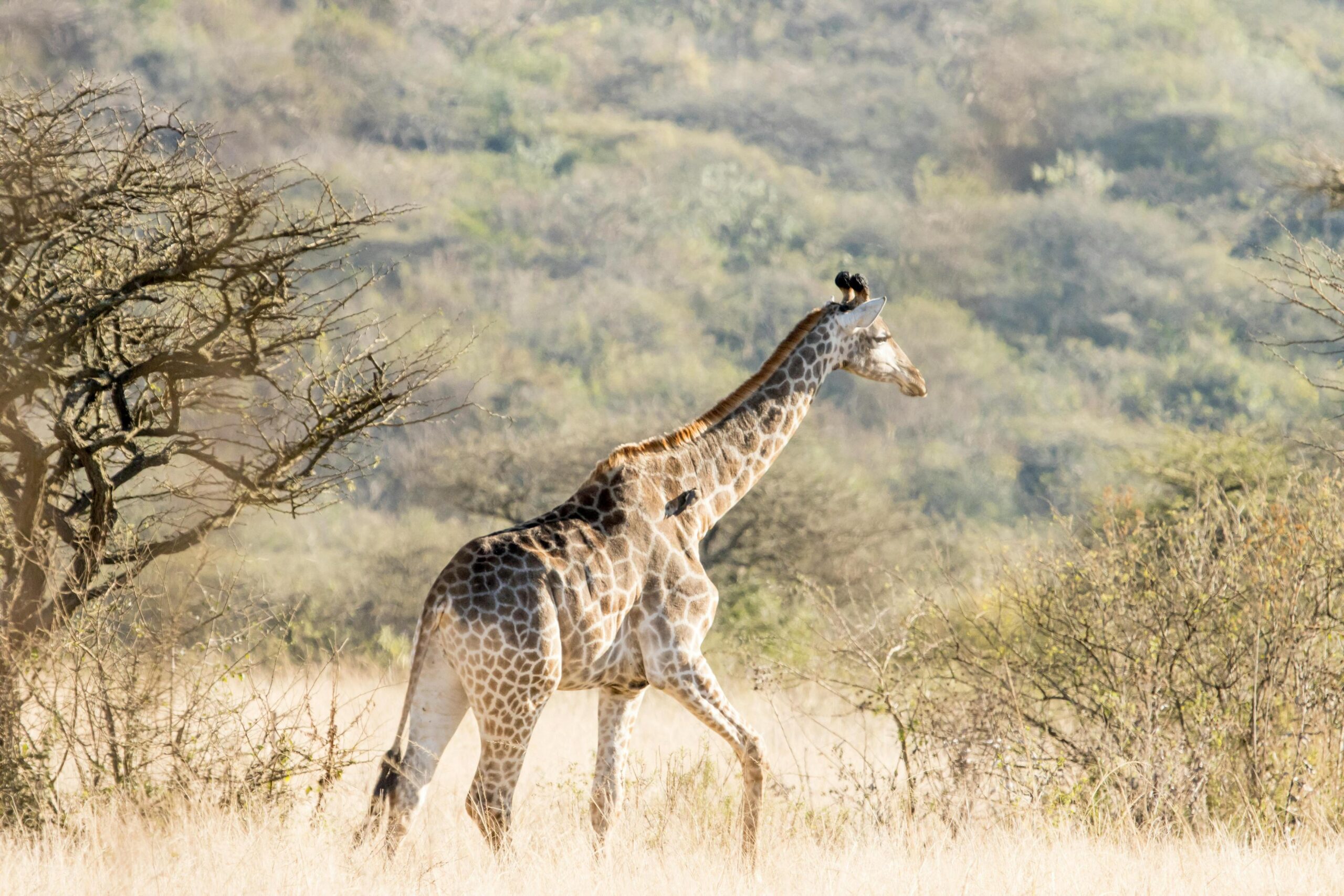
Best National Parks in Tanzania for Safari in 2026–2028 are already attracting global attention as wildlife experts, conservation groups, and safari lovers look toward East Africa for the next generation of unforgettable journeys. Tanzania continues to lead safari travel thanks to its vast protected landscapes, rich biodiversity, and sustainable tourism programs supported by organizations like IUCN, WWF, and UNEP. For travelers planning between 2026 and 2028, understanding where to go, when to travel, and how each ecosystem works makes all the difference between a good safari and a life-changing one. This carefully prepared guide explores Tanzania’s finest parks while blending expert insight, real safari experience, and thoughtful planning advice for visitors seeking both comfort and authenticity.
Why Best National Parks in Tanzania for Safari in 2026–2028 Are Gaining Global Attention
The global safari landscape is evolving, and Tanzania stands at the center of this transformation due to its exceptional conservation record, improved infrastructure, and science-backed wildlife management strategies. Research from institutions like Smithsonian Institution and National Geographic Society highlights Tanzania as one of the most biologically diverse safari destinations on Earth, hosting large populations of elephants, lions, wildebeest, giraffes, and rare species such as African wild dogs. Ongoing studies from Panthera and Wildlife Conservation Society also confirm steady improvements in predator conservation across protected areas.
Between 2026 and 2028, travelers will benefit from stronger eco-tourism policies influenced by international frameworks such as CITES and biodiversity targets outlined by IPBES. These developments ensure safer wildlife viewing, improved road networks, and upgraded lodges designed with sustainability in mind. Visitors planning through trusted safari planners like Relax Africa Safari also enjoy curated itineraries that balance comfort with authentic wilderness experiences.
Serengeti National Park: Crown Jewel of the Best National Parks in Tanzania for Safari in 2026–2028
Serengeti remains unmatched among the Best National Parks in Tanzania for Safari in 2026–2028 because of its scale, biodiversity, and world-famous Great Migration. Covering nearly 15,000 square kilometers, this UNESCO-listed ecosystem is supported by global conservation initiatives and scientific monitoring projects involving NASA Earth Observatory and ecological research from BirdLife International. Visitors during 2026–2028 can expect improved game-drive routes and advanced wildlife tracking technologies enhancing viewing experiences.
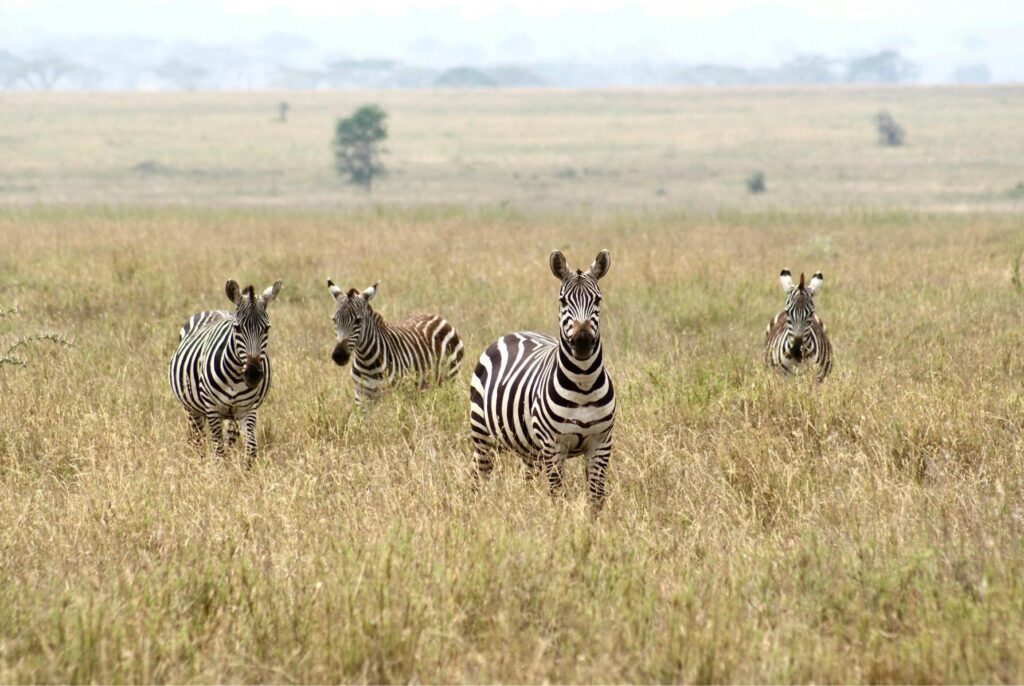
The migration cycle alone attracts millions of travelers annually as over two million wildebeest and zebras move across the plains searching for fresh grazing. Predator sightings are particularly strong between January and March in the southern plains and June through October in the northern corridor. Planning your Serengeti journey with specialists like Relax Africa Safari Serengeti Tours ensures access to prime viewing zones and exclusive camps.
Ngorongoro Conservation Area: Wildlife Diversity and Cultural Heritage
The Ngorongoro Conservation Area is another standout among the Best National Parks in Tanzania for Safari in 2026–2028 due to its unique combination of geology, wildlife density, and Maasai cultural heritage. Research supported by African Wildlife Foundation and Conservation International emphasizes Ngorongoro’s importance as a refuge for endangered species, including black rhinos.
The Ngorongoro Crater floor supports one of Africa’s densest concentrations of large mammals, making sightings remarkably consistent throughout the year. Visitors planning through Ngorongoro Safari Packages often experience close encounters with lions, elephants, and flamingos in a single day. The region’s balance between conservation and community livelihood also reflects broader global sustainability goals.
Tarangire National Park: Elephant Kingdom of Northern Tanzania
Tarangire stands out among the Best National Parks in Tanzania for Safari in 2026–2028 due to its massive elephant herds and iconic baobab landscapes. Scientific reports from Save the Elephants highlight Tarangire as one of East Africa’s most important elephant habitats. During the dry season, wildlife congregates along the Tarangire River, creating unforgettable photographic opportunities.
Travelers increasingly favor Tarangire for quieter safari experiences compared to Serengeti. Its diverse birdlife, monitored by British Trust for Ornithology, makes it ideal for birdwatchers. Visitors booking through Tarangire Safari Experiences often enjoy less crowded game drives and intimate wildlife encounters.
Ruaha National Park: Remote Wilderness Among the Best National Parks in Tanzania for Safari in 2026–2028
Ruaha offers a raw, untouched safari atmosphere rarely matched elsewhere in Africa. Research collaborations involving Zoological Society of London and Global Wildlife Conservation highlight the park’s importance for large carnivore populations. Ruaha hosts one of East Africa’s largest lion populations alongside cheetahs and wild dogs.
Between 2026 and 2028, improved accessibility will likely increase visitor numbers, though Ruaha will remain quieter than northern parks. Its seasonal river systems attract diverse wildlife, making it perfect for photographers and nature enthusiasts seeking solitude and authenticity.
Nyerere National Park (Selous): Expansive and Underrated
Nyerere National Park, formerly part of Selous Game Reserve, represents one of the largest protected wildlife areas in Africa. Environmental monitoring by Global Wildlife Program supports conservation efforts across this vast landscape. Boat safaris along the Rufiji River provide a refreshing alternative to traditional game drives.
Safari travelers choosing Nyerere through Selous Safari Packages often report remarkable sightings of hippos, crocodiles, and rare bird species. The park’s remote charm continues attracting travelers seeking unique safari experiences.
Lake Manyara National Park: Compact Yet Diverse
Lake Manyara’s compact ecosystem offers surprising diversity, supported by ecological studies from FAO and wetland conservation initiatives linked to Ramsar Convention. Known for tree-climbing lions and vibrant birdlife, Manyara remains an ideal stop on northern safari circuits.
The alkaline lake supports flamingo populations and migratory birds tracked by Convention on Migratory Species. Visitors often combine Manyara with Serengeti and Ngorongoro for a comprehensive safari experience.
Katavi National Park: Hidden Gem of Western Tanzania
Katavi is one of Tanzania’s least visited yet most spectacular parks, often recommended by conservation scientists for experienced safari travelers. Research from Jane Goodall Institute highlights western Tanzania’s biodiversity significance. Seasonal floodplains attract massive buffalo herds and crocodile populations.
Katavi’s isolation ensures a wilderness experience rarely found elsewhere, appealing to adventurers seeking true off-the-beaten-path exploration.
Best Time to Visit the Best National Parks in Tanzania for Safari in 2026–2028
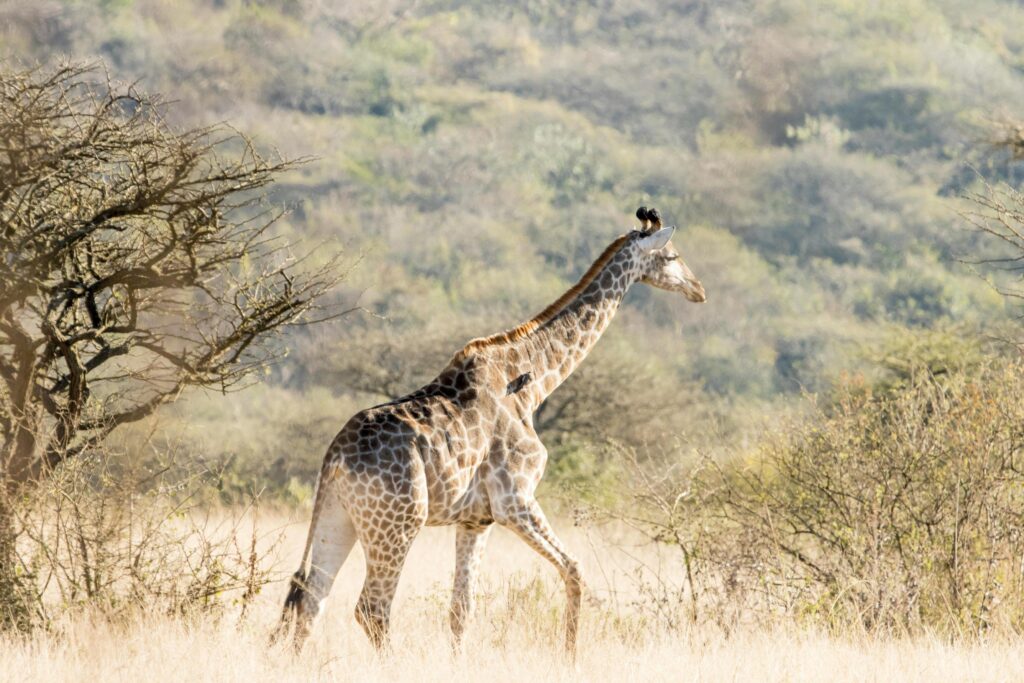
Seasonal patterns greatly influence safari experiences, with climate research from NOAA and UK Met Office supporting travel planning decisions. The dry season between June and October remains ideal for wildlife viewing, while the green season offers lush scenery and fewer crowds.
Migration-focused travelers often schedule trips between January and March for calving season or July through September for river crossings. Booking early ensures availability at top lodges and camps.
Safari Planning Tips for 2026–2028 Travelers
Planning ahead remains essential for travelers targeting the Best National Parks in Tanzania for Safari in 2026–2028. Experts from WHO recommend routine vaccinations and malaria precautions, while logistics research from IATA highlights the importance of early flight bookings.
Working with experienced safari operators such as Relax Africa Safari simplifies planning by arranging accommodations, transport, and guides. Travelers should pack neutral-colored clothing, binoculars, sunscreen, and cameras for optimal experiences.
Responsible Tourism and Conservation Impact
Sustainable tourism plays a vital role in protecting Tanzania’s ecosystems. Programs guided by UNESCO and International Institute for Sustainable Development ensure safari revenue supports wildlife protection and local communities.
Visitors contribute directly through park fees, conservation donations, and responsible travel choices. Supporting ethical safari companies helps preserve wildlife habitats for future generations.
Frequently Asked Questions
What makes the Best National Parks in Tanzania for Safari in 2026–2028 unique?
The combination of large protected ecosystems, strong conservation policies, and diverse wildlife populations makes Tanzania stand out globally.
Which park is best for first-time safari travelers?
Serengeti and Ngorongoro are often recommended for first-time visitors due to consistent wildlife sightings and developed infrastructure.
Is Tanzania safe for safari travel?
Tanzania is generally safe for tourists when traveling with licensed guides and following standard travel precautions.
How long should a safari last?
Most travelers plan between 7 and 10 days to explore multiple parks comfortably.
Are safaris suitable for families?
Yes, many lodges welcome families and offer educational programs tailored for younger travelers.
How far in advance should I book?
Booking 9–12 months ahead is recommended, especially for peak travel seasons.
Conclusion: Planning Your Dream Safari
The Best National Parks in Tanzania for Safari in 2026–2028 promise unforgettable wildlife encounters, breathtaking landscapes, and meaningful conservation experiences. Whether exploring Serengeti’s endless plains or Ruaha’s remote wilderness, Tanzania offers unmatched opportunities for discovery. Thoughtful planning and responsible travel ensure that every safari supports wildlife protection while delivering extraordinary memories.