

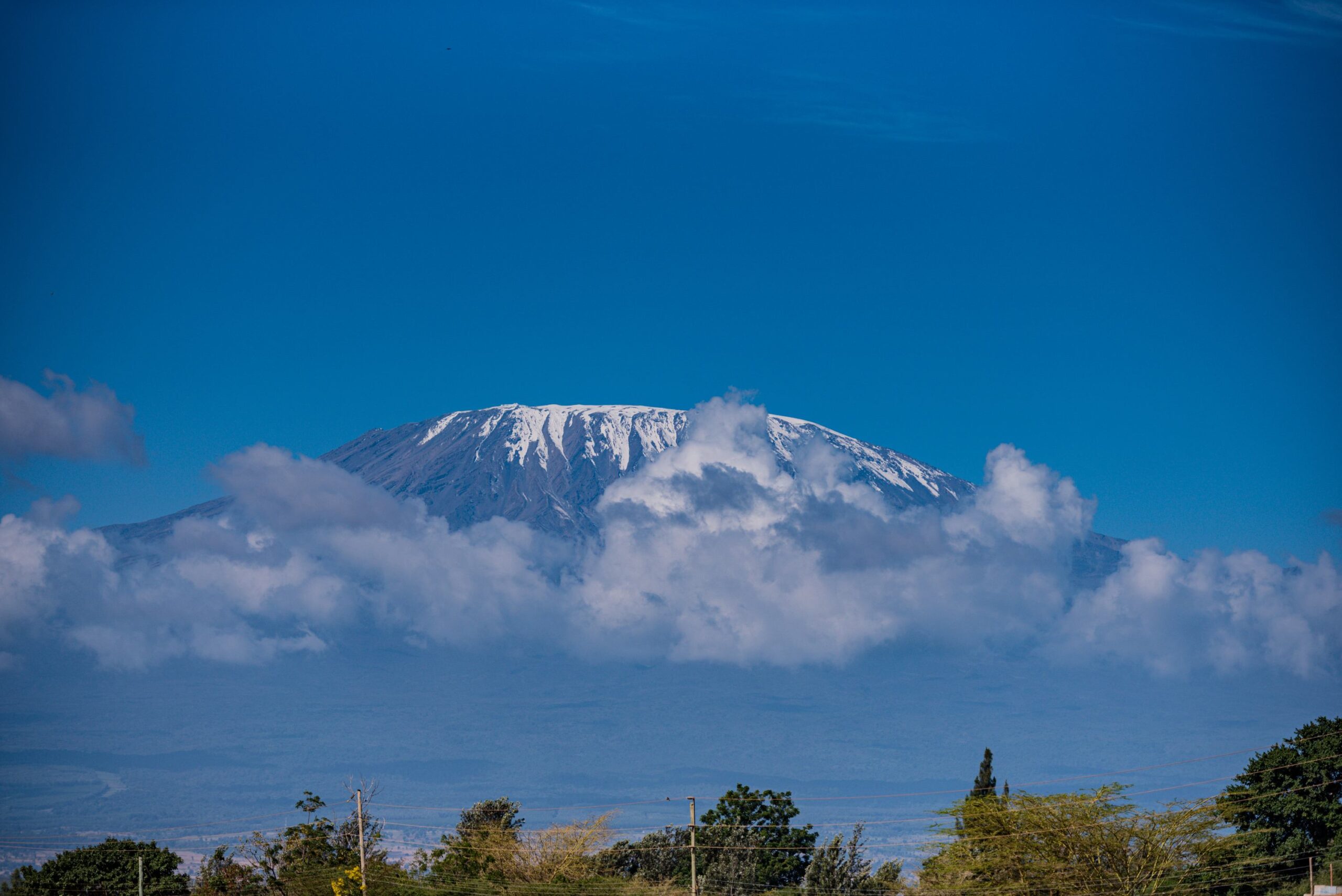
Best Time to Climb Mount Kilimanjaro in 2026, 2027 and 2028 – 7 Powerful Reasons to Choose the Perfect Season
The Best Time to Climb Mount Kilimanjaro in 2026, 2027 and 2028 is one of the most important decisions any climber will make before planning this life-changing adventure. Mount Kilimanjaro, the highest mountain in Africa at 5,895 meters, attracts thousands of trekkers every year, yet weather conditions on the mountain can vary significantly depending on the season. Choosing the right climbing window determines not only the views you will enjoy but also your safety, summit success rate, and overall trekking experience.
For travelers planning future expeditions, understanding the Best Time to Climb Mount Kilimanjaro in 2026, 2027 and 2028 requires careful consideration of weather patterns, rainfall seasons, crowd levels, and trail conditions. While Kilimanjaro is technically climbable year-round, certain months consistently provide clearer skies, more stable temperatures, and safer trekking conditions. Many experienced guides and expedition companies emphasize timing because altitude challenges combined with unpredictable weather can dramatically affect a climber’s chances of reaching Uhuru Peak.
Travelers booking their expedition with reputable operators such as Relax Africa Safari often receive detailed seasonal guidance to ensure their Kilimanjaro journey aligns with the most favorable climbing periods. Planning several years ahead for 2026, 2027, or 2028 allows climbers to secure permits, organize proper acclimatization schedules, and select the optimal route for their trekking style.
Scientific research from organizations such as NASA, NOAA, and the Intergovernmental Panel on Climate Change also highlights the importance of understanding mountain weather systems and long-term climate patterns when planning high-altitude expeditions. These insights help climbers prepare for changing environmental conditions that may influence Kilimanjaro trekking seasons in the coming years.
Table of Contents
ToggleUnderstanding Mount Kilimanjaro’s Climate
Mount Kilimanjaro sits near the equator in northern Tanzania, yet despite its tropical location, the mountain features multiple climate zones that change dramatically with altitude. From the humid rainforest at the base to the alpine desert and arctic summit, climbers experience several ecosystems during the ascent. Because of this unique geography, the mountain’s weather patterns are influenced by regional rainfall cycles rather than traditional four-season climates seen in other parts of the world.
Two main rainy seasons shape the trekking calendar on Kilimanjaro. The long rains typically occur between March and May, while the short rains arrive around November. During these periods, trails can become muddy and visibility may be reduced, making the climb more challenging. However, outside these rainy windows, the mountain often enjoys clear skies, stable temperatures, and excellent trekking conditions.
Environmental organizations such as the United Nations Environment Programme, the International Union for Conservation of Nature, and the World Wildlife Fund continue to study East African ecosystems to understand how climate changes might influence glaciers, rainfall, and alpine environments on mountains like Kilimanjaro.
Best Time to Climb Mount Kilimanjaro in 2026, 2027 and 2028 by Season
January to March – Quiet Trails and Clear Skies
The early months of the year are often considered one of the hidden gems for climbers searching for the Best Time to Climb Mount Kilimanjaro in 2026, 2027 and 2028. January through early March generally offers moderate temperatures and relatively stable weather conditions. Snow sometimes appears near the summit during this period, creating spectacular views that many trekkers consider the most beautiful scenery on the mountain.
Because this period falls between the short rains and the long rains, the trails are less crowded than the peak climbing months. Climbers who prefer a quieter trekking experience often favor this season. Booking a guided trek through experienced operators such as Relax Africa Safari during these months allows travelers to enjoy a more peaceful journey while still benefiting from professional support.
June to October – The Most Popular Climbing Window
The dry season from June to October is widely recognized as the most reliable period for trekking Kilimanjaro. Rainfall is minimal, skies are clearer, and trail conditions are typically dry and stable. For this reason, many climbers planning the Best Time to Climb Mount Kilimanjaro in 2026, 2027 and 2028 choose these months.
Although temperatures at the summit can drop well below freezing, the overall weather stability increases the likelihood of successful summit attempts. July, August, and September are particularly popular because they coincide with international vacation periods, meaning routes can be busier. However, experienced tour providers like Relax Africa Safari carefully schedule climbs to manage crowd levels and maintain safety.
Climate monitoring from institutions such as the UK Met Office, NASA Climate, and the World Meteorological Organization confirms that this dry season consistently produces the most stable weather patterns across East Africa’s high-altitude environments.
November – Short Rain Season
November marks the short rainy season on Kilimanjaro. While trekking is still possible, rainfall can make trails slippery and clouds may obscure views. Because of this, fewer climbers attempt the mountain during this time. However, those who do climb in November often experience very quiet trails and lush landscapes along the lower slopes.
Preparation becomes especially important during wetter periods. Climbers rely on guidance from experienced mountain crews such as those arranged through Relax Africa Safari to ensure proper gear selection and safety planning.
Monthly Overview for 2026, 2027 and 2028 Climbs
Planning ahead for the Best Time to Climb Mount Kilimanjaro in 2026, 2027 and 2028 allows travelers to align their schedule with the most favorable weather conditions. January and February provide excellent visibility and fewer crowds. March begins to transition into the long rains, while April and May tend to be the wettest months.
June through October remain the most dependable trekking period, offering consistent dry weather and clearer summit views. November brings short rains, while December marks the return of improving weather conditions and growing holiday demand.
Environmental research from institutions like the National Geographic Society, Smithsonian Institution, and the Nature Research continues to document seasonal shifts in mountain ecosystems and glacial retreat on Kilimanjaro.
Why Weather Matters for Kilimanjaro Climbers
Understanding weather patterns is crucial when choosing the Best Time to Climb Mount Kilimanjaro in 2026, 2027 and 2028. Unlike technical mountaineering peaks that require ropes and ice axes, Kilimanjaro is a trekking mountain. However, altitude sickness, freezing temperatures, and sudden weather changes still pose serious challenges.
High-altitude research from institutions including Centers for Disease Control and Prevention, World Health Organization, and the International Society for Mountain Medicine shows that weather conditions strongly influence acclimatization success and overall safety during high-elevation expeditions.
Proper planning, experienced guides, and gradual acclimatization routes significantly improve summit success rates. Many trekkers choose longer routes such as the Lemosho or Northern Circuit routes offered by Relax Africa Safari, as these itineraries allow more time for altitude adaptation.
Kilimanjaro Routes and Seasonal Considerations
Different routes on Kilimanjaro respond differently to seasonal weather changes. The Machame and Lemosho routes perform well during the dry months due to their scenic ridge trails and better drainage. Meanwhile, the Marangu route, often called the “Coca-Cola Route,” provides hut accommodations that can be beneficial during colder months.
Trekkers evaluating the Best Time to Climb Mount Kilimanjaro in 2026, 2027 and 2028 often combine seasonal timing with route selection to maximize comfort and summit success. Professional expedition planners such as Relax Africa Safari help climbers choose the route that best matches their travel dates and experience level.
Environmental Responsibility on Kilimanjaro
Mount Kilimanjaro is not only a trekking destination but also an important ecological landmark. Conservation groups such as the UNESCO World Heritage Centre, Conservation International, and the Global Forest Watch emphasize the need for sustainable tourism practices to protect the mountain’s fragile ecosystems.
Responsible climbing practices include minimizing waste, respecting wildlife habitats, and supporting local communities who depend on tourism for their livelihoods. Ethical tour operators collaborate with porters, guides, and conservation programs to ensure tourism benefits both people and the environment.
Planning Your Kilimanjaro Climb Years in Advance
Preparing for the Best Time to Climb Mount Kilimanjaro in 2026, 2027 and 2028 often begins years before the actual trek. Travelers must consider physical training, travel insurance, gear preparation, and vaccination requirements. Organizations such as the Food and Agriculture Organization, United Nations, and Google provide global research and logistical information useful for international travelers.
Booking early with experienced operators ensures availability on preferred routes and dates. Climbers planning ahead also benefit from gradual physical preparation, which significantly increases their chances of reaching Uhuru Peak.
Final Thoughts
The Best Time to Climb Mount Kilimanjaro in 2026, 2027 and 2028 ultimately depends on balancing weather conditions, personal travel schedules, and preferred trekking experiences. January to March offers quieter trails and stunning summit snow, while June to October delivers the most stable weather and highest summit success rates.
Choosing the right season, selecting the appropriate route, and trekking with experienced guides ensures that climbing Africa’s highest mountain becomes an unforgettable achievement rather than a risky undertaking. With careful planning, the dream of standing on the roof of Africa can become a reality for climbers from around the world.