

13 Days Tanzania Safari 2026, 2027, 2028: Ultimate Big Five Adventure Itinerary
Duration
Overview
13 Days Tanzania Safari 2026, 2027, 2028 is one of the most rewarding wildlife journeys in East Africa, designed for travelers who want to experience the true scale of Tanzania’s wilderness. Over nearly two weeks, you explore iconic landscapes such as the Serengeti plains, the wildlife-rich Ngorongoro Crater, the elephant haven of Tarangire, and the culturally vibrant areas near Lake Manyara. This carefully designed itinerary blends game drives, scenic landscapes, conservation experiences, and comfortable safari lodges to deliver a once-in-a-lifetime African safari adventure.
Tanzania holds some of the largest wildlife populations on Earth. According to research from World Wildlife Fund, East Africa’s savannah ecosystems support globally important biodiversity, including lions, elephants, cheetahs, and migratory wildebeest. This safari itinerary takes advantage of Tanzania’s protected landscapes while supporting sustainable tourism initiatives backed by organizations such as IUCN and African Wildlife Foundation.
Operated by experienced safari planners from Relax Africa Safari, the journey combines expert guiding, well-chosen accommodations, and immersive wildlife experiences designed for travelers visiting in 2026, 2027, or 2028.
Table of Contents
ToggleOverview of the 13 Days Tanzania Safari 2026, 2027, 2028
This safari covers Northern Tanzania’s most famous national parks and conservation areas. Travelers arrive in Arusha, the safari gateway city located near Mount Kilimanjaro, before embarking on a circuit that includes Tarangire National Park, Lake Manyara National Park, the legendary Serengeti ecosystem, and the UNESCO-listed Ngorongoro Conservation Area.
The itinerary balances wildlife viewing with scenic travel days and cultural insight. The journey also follows conservation guidelines promoted by institutions such as National Geographic Society, UNESCO, and the United Nations Environment Programme.
During the safari you may witness elephant herds in Tarangire, tree-climbing lions near Lake Manyara, massive wildebeest herds crossing the Serengeti plains, and the dense predator populations inside Ngorongoro Crater. These landscapes form part of the greater Serengeti ecosystem studied by scientists from institutions like University of Oxford and University of Cambridge.
Detailed 13 Days Tanzania Safari Itinerary
Day 1 – Arrival in Tanzania (Arusha)
Arrival at Kilimanjaro International Airport where a professional safari representative welcomes you and transfers you to your lodge in Arusha. The city sits near the base of Mount Meru and serves as the safari capital of northern Tanzania. Guests enjoy a relaxed evening while receiving a detailed safari briefing.
Day 2 – Arusha to Tarangire National Park
The safari begins with a drive to Tarangire National Park, known for giant baobab trees and large elephant populations. Wildlife researchers from Save the Elephants have documented significant elephant migration routes in this ecosystem. Afternoon game drives reveal giraffes, zebras, and lions moving across the golden savannah.
Day 3 – Full Day Tarangire Exploration
Morning and afternoon game drives explore the Tarangire River area where wildlife gathers during the dry season. Conservation programs supported by Wildlife Conservation Society help protect this vital corridor for elephants and other large mammals.
Day 4 – Lake Manyara National Park
The 13 Days Tanzania Safari continues to Lake Manyara National Park, famous for its diverse habitats including forests, lakeshore wetlands, and acacia woodland. The park’s birdlife has been studied extensively by the National Audubon Society, which highlights East Africa as one of the richest bird regions globally.
Day 5 – Cultural Experiences and Scenic Rift Valley Views
Travelers explore local communities and landscapes surrounding the Great Rift Valley. Cultural tourism initiatives in this region are supported by organizations like UN World Tourism Organization to ensure sustainable economic benefits for local communities.
Day 6 – Journey to Central Serengeti
Drive toward Serengeti National Park through the Ngorongoro highlands. The Serengeti ecosystem is recognized globally for the Great Migration, studied by ecological researchers affiliated with The Nature Conservancy.
Day 7 – Serengeti Wildlife Safari
Full day exploring the Serengeti plains. Lions, leopards, cheetahs, and hyenas dominate this predator-rich landscape. Scientific monitoring projects from Panthera help track big cat populations in this ecosystem.
Day 8 – Serengeti Migration Exploration
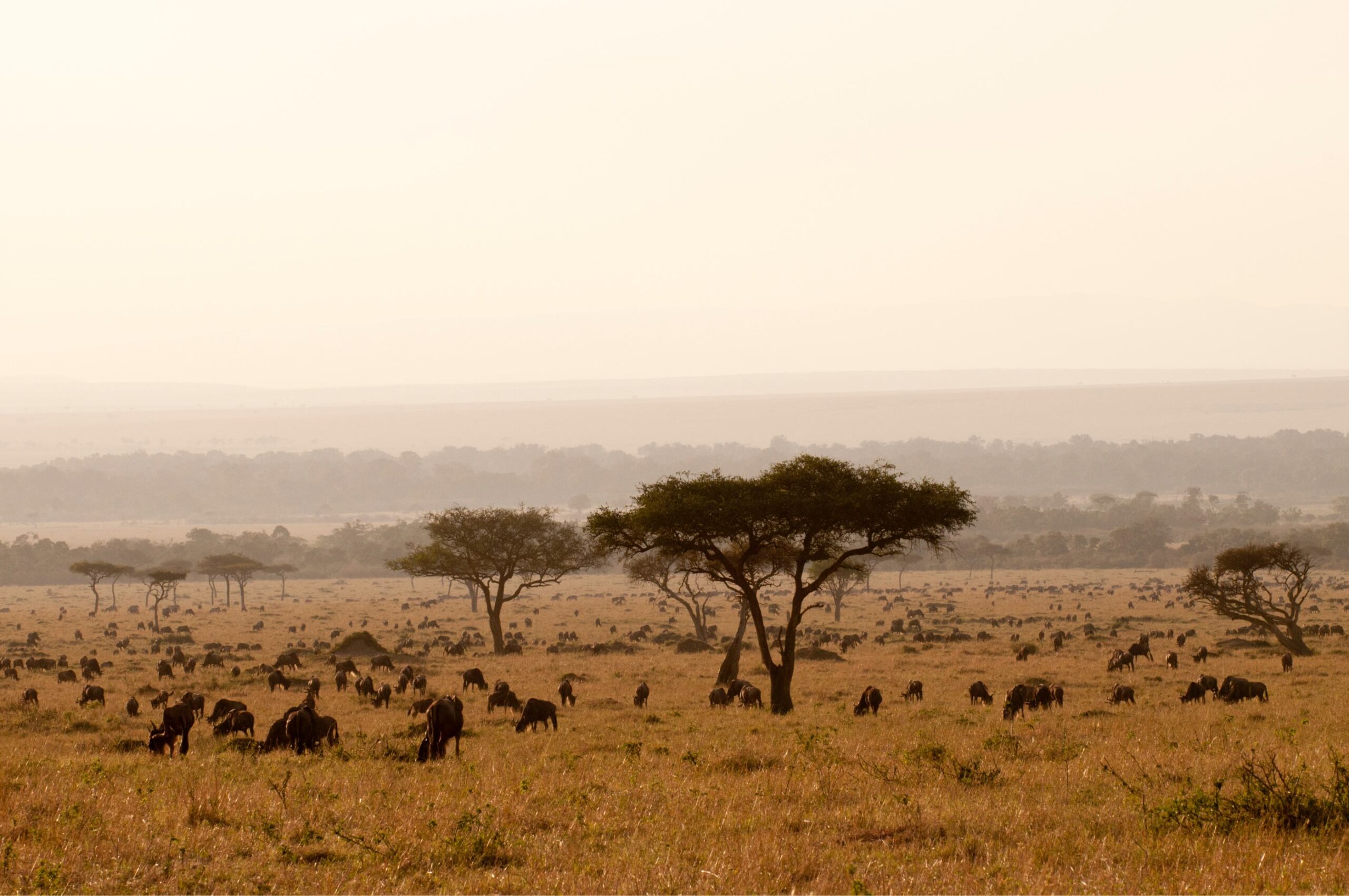
Depending on the season, the safari may follow migrating wildebeest herds moving across the plains. Migration patterns are monitored by institutions like Smithsonian Institution and Encyclopaedia Britannica.
Day 9 – Northern Serengeti or Central Plains
Another full day of exploration focusing on river crossings or predator sightings. Guides track wildlife movements while respecting ecological regulations supported by CITES.
Day 10 – Serengeti to Ngorongoro Conservation Area
Drive toward the Ngorongoro highlands with game viewing along the way. The conservation area represents a unique blend of wildlife protection and traditional Maasai pastoralism.
Day 11 – Ngorongoro Crater Safari
Descend into the Ngorongoro Crater, one of Africa’s most spectacular wildlife habitats. The crater supports over 25,000 animals within a collapsed volcanic caldera studied by scientists from National Park Foundation.
Day 12 – Return to Arusha
After breakfast, drive back to Arusha with optional stops for cultural markets and scenic viewpoints. Travelers can also learn about conservation education programs promoted by Conservation International.
Day 13 – Departure
Transfer to Kilimanjaro International Airport for your departure flight, concluding your unforgettable safari experience in Tanzania.
Why Choose This 13 Days Tanzania Safari
This safari is designed for travelers seeking deeper exploration of Tanzania’s northern circuit. The extended duration allows visitors to experience wildlife behavior across multiple ecosystems rather than rushing through parks.
Booking with Relax Africa Safari ensures experienced guides, carefully selected lodges, and flexible itineraries tailored to your travel season. The company works with local conservation programs while maintaining international standards of safety and service.
Many safari travelers also appreciate the educational aspect of the journey. Wildlife conservation research supported by organizations such as World Animal Protection, Fauna & Flora International, and Royal Society for the Protection of Birds highlights the importance of protecting Africa’s ecosystems for future generations.
Pricing of the Itinerary
The cost of the 13 Days Tanzania Safari 2026, 2027, 2028 depends on accommodation level, travel season, and group size.
| Accommodation Level | Price per Person (USD) |
|---|---|
| Standard Safari Lodges | $4,800 – $5,500 |
| Luxury Safari Camps | $6,500 – $7,800 |
| Ultra Luxury Safari Lodges | $9,000 – $12,000 |
For customized quotes, travelers can explore options through Relax Africa Safari where safari specialists assist with planning based on travel dates and preferences.
Planning Your Tanzania Safari
The best time to travel depends on wildlife movements and personal preferences. Dry seasons from June to October offer exceptional wildlife viewing, while the green seasons from November to March provide dramatic landscapes and birdlife. Travelers researching wildlife migration patterns often consult sources such as National Geographic or search resources like Google to understand seasonal safari highlights.
With the right planning and experienced guiding, a safari across Tanzania’s northern circuit becomes more than a holiday. It becomes an immersive encounter with one of the planet’s last great wildlife ecosystems.
Learn more about custom itineraries and safari experiences through Relax Africa Safari and start planning your unforgettable journey across Tanzania.
Included/Exclude
- Airport transfers in Tanzania
- Private 4x4 safari vehicle with professional guide
- Accommodation in selected safari lodges and camps
- Daily meals during safari
- National park entry fees
- Ngorongoro Crater service fee
- Unlimited game drives according to itinerary
- Bottled drinking water during safari
- International flights
- Travel insurance
- Visa fees
- Tips and gratuities
- Personal expenses
- Optional activities such as balloon safari