

6 Days Tanzania Safari 2026, 2027, 2028 – Ultimate Wildlife Adventure Package
Duration
Overview
The 6 Days Tanzania Safari 2026, 2027, 2028 is one of the most rewarding wildlife journeys in East Africa, designed for travelers who want to experience the rich ecosystems, iconic wildlife, and breathtaking landscapes of Tanzania in a short but fulfilling timeframe. This carefully designed safari takes you through the country’s most celebrated national parks including the Serengeti, Ngorongoro Crater, and Tarangire, where vast savannahs, ancient volcanic landscapes, and dense wildlife populations create unforgettable safari moments. If you are planning an African adventure in the coming years, this safari offers the perfect balance between exploration, comfort, and authentic wilderness encounters.
Tanzania is globally recognized for its conservation efforts and biodiversity. Organizations such as World Wildlife Fund, International Union for Conservation of Nature, and African Wildlife Foundation have long highlighted the ecological importance of Tanzania’s protected areas. During this safari, you will travel across landscapes that scientists and conservationists continue to study and protect, including the legendary Serengeti ecosystem and the unique Ngorongoro Conservation Area.
Our safari team at Relax Africa Safari has crafted this itinerary to maximize wildlife viewing opportunities while ensuring comfort and flexibility. Professional guides, carefully selected lodges, and well-planned routes ensure that every traveler enjoys both adventure and relaxation while exploring Tanzania’s wilderness.
Overview of the 6 Days Tanzania Safari 2026, 2027, 2028
The 6 Days Tanzania Safari 2026, 2027, 2028 begins in Arusha, Tanzania’s safari capital, and gradually moves through several world-renowned wildlife destinations. The journey typically starts with Tarangire National Park, famous for its ancient baobab trees and large elephant herds. From there the safari continues toward the legendary Serengeti National Park, one of the most studied ecosystems in the world according to research organizations such as National Geographic and Encyclopaedia Britannica.
Travelers will then explore the Ngorongoro Crater, a UNESCO World Heritage Site documented by UNESCO. This volcanic caldera supports one of the densest concentrations of wildlife in Africa. The safari also includes Lake Manyara National Park, famous for tree-climbing lions and vibrant birdlife that attracts researchers and bird conservationists worldwide.
Throughout this journey, guests will experience guided game drives, comfortable safari lodges, and opportunities to learn about conservation efforts supported by institutions like The Nature Conservancy and Conservation International. The combination of expert guiding and Tanzania’s extraordinary wildlife ensures that every moment of the safari feels immersive and authentic.
Detailed Itinerary – 6 Days Tanzania Safari 2026, 2027, 2028
Day 1: Arrival in Arusha
Your journey begins upon arrival at Kilimanjaro International Airport, where your safari guide will welcome you and transfer you to your hotel in Arusha. This lively city sits at the base of Mount Meru and serves as the gateway to Tanzania’s northern safari circuit. After checking in, you will receive a full safari briefing from your guide and enjoy a relaxing evening preparing for the adventure ahead.
Travelers interested in Tanzania’s geography and ecosystems often consult research institutions such as NASA Earth Observatory and National Geographic Society, which highlight how the region’s volcanic history helped create fertile wildlife habitats across northern Tanzania.
Day 2: Tarangire National Park
After breakfast, the safari continues to Tarangire National Park, a destination widely known for its massive elephant populations and iconic baobab trees. Scientific studies published by organizations such as Smithsonian Institution describe Tarangire as one of East Africa’s most important seasonal wildlife habitats due to the Tarangire River that attracts animals during dry seasons.
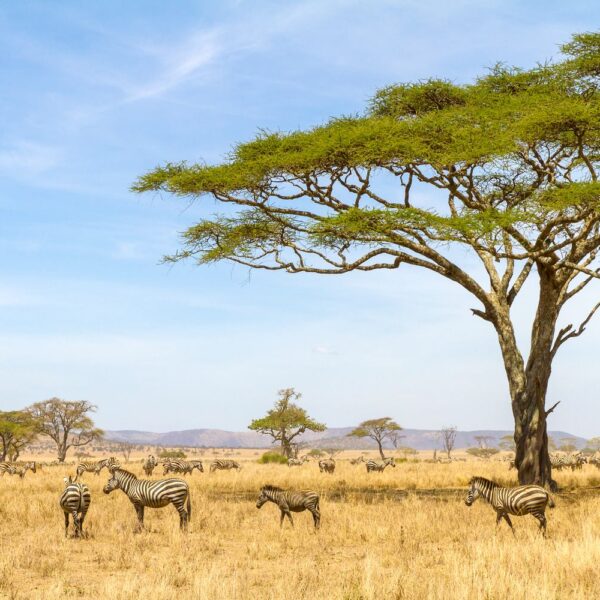
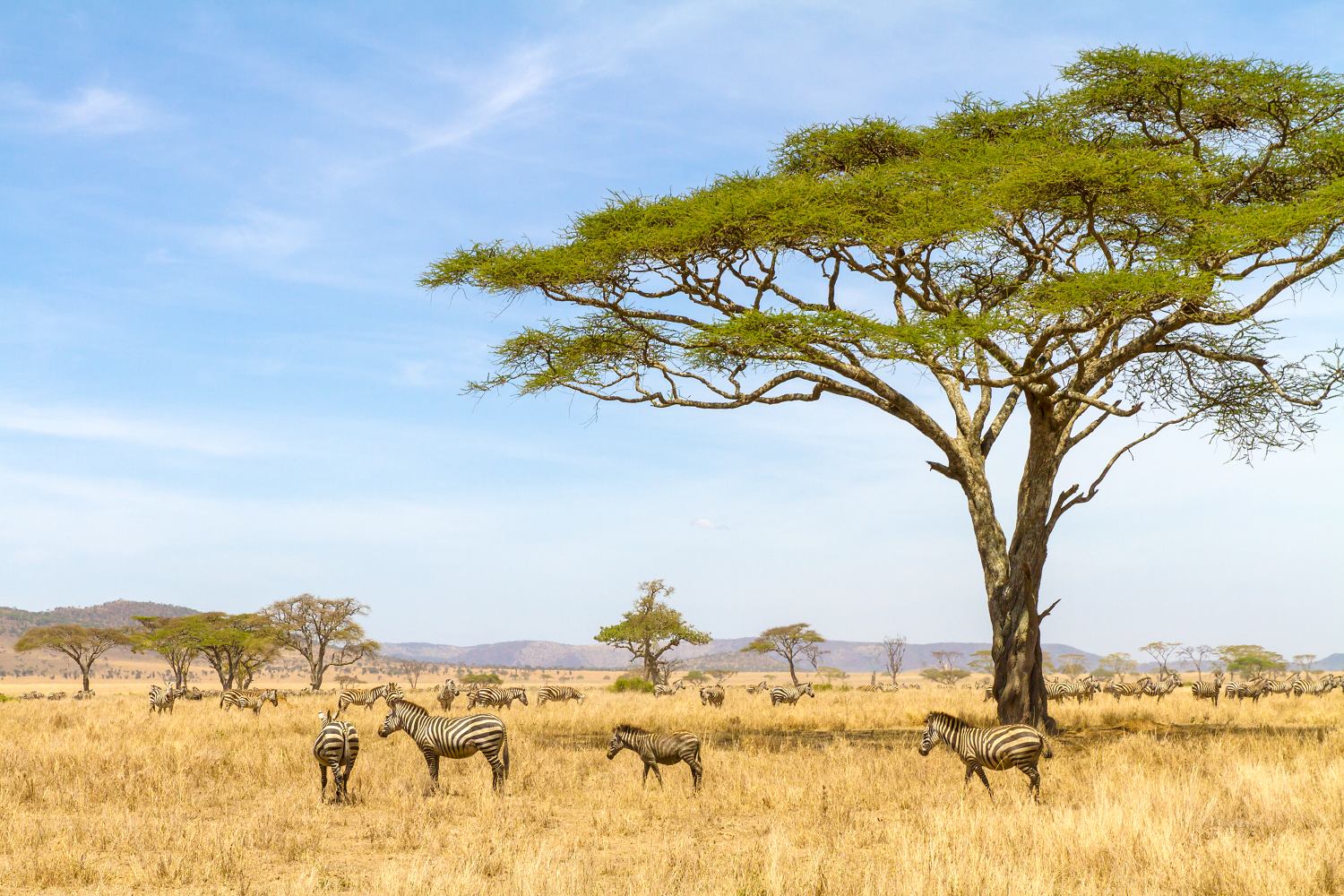
Game drives reveal large herds of elephants, giraffes, zebras, and antelopes moving through the park’s golden savannahs. Lions and leopards are frequently spotted resting beneath acacia trees. By evening, travelers settle into a comfortable safari lodge while listening to the sounds of the African wilderness.
Day 3: Serengeti National Park
The third day marks the journey toward the world-famous Serengeti. Covering more than 14,000 square kilometers, the Serengeti is internationally recognized for its extraordinary biodiversity. Conservation research supported by institutions like Panthera and Wildlife Conservation Society highlights the Serengeti as one of the most important habitats for big cats.
As the vehicle moves across vast plains, wildlife sightings become more frequent. Wildebeest, zebras, gazelles, and predators roam freely across the ecosystem. Travelers can learn more about Serengeti research from Serengeti Research Institute and other scientific bodies that study migration patterns and predator behavior.
Accommodation is typically located within the park, allowing guests to experience sunrise and sunset in the heart of the wilderness.
Day 4: Full Day Serengeti Game Drive
A full day in the Serengeti provides excellent opportunities to witness Africa’s iconic wildlife interactions. The park hosts the Great Migration, one of the largest wildlife movements on Earth. Studies by National Geographic Animals and PBS Nature have documented how over a million wildebeest and zebras travel across the Serengeti ecosystem each year.
Guided game drives explore different regions of the park in search of lions, cheetahs, leopards, elephants, and rhinos. Travelers may also observe hyenas, jackals, and numerous bird species studied by organizations such as Audubon Society and BirdLife International.
Day 5: Ngorongoro Crater
The safari continues to the Ngorongoro Crater, a geological wonder formed by a collapsed volcano millions of years ago. According to research from United States Geological Survey, the crater provides a unique natural enclosure that supports a dense wildlife population year-round.
Descending into the crater reveals landscapes filled with zebras, buffalo, hippos, and flamingos. The area is also known for rare black rhinos, protected through conservation initiatives supported by organizations like International Rhino Foundation.
Day 6: Lake Manyara and Return to Arusha
The final day of the safari includes a visit to Lake Manyara National Park before returning to Arusha. This park is famous for tree-climbing lions and rich birdlife. Wetland habitats attract flamingos, pelicans, and hundreds of other bird species documented by Royal Society for the Protection of Birds.
After the game drive, travelers return to Arusha where the safari concludes. Many guests extend their trip with beach holidays in Zanzibar or additional wildlife experiences available through Relax Africa Safari.
Why Choose This 6 Days Tanzania Safari 2026, 2027, 2028
The 6 Days Tanzania Safari 2026, 2027, 2028 stands out because it combines multiple iconic destinations into a single well-paced itinerary. Travelers experience the diverse landscapes of Tanzania while benefiting from expert guides who understand wildlife behavior and conservation efforts.
Our company emphasizes responsible tourism, working alongside organizations dedicated to protecting wildlife habitats. Conservation initiatives supported by groups like World Wildlife Fund and African Wildlife Foundation play a vital role in maintaining the ecosystems visited during the safari.
Guests also benefit from professional logistics, comfortable accommodations, and flexible scheduling options. For travelers planning longer adventures, additional safari experiences can be arranged through Relax Africa Safari, ensuring a seamless travel experience across Tanzania.
Pricing for the 6 Days Tanzania Safari 2026, 2027, 2028
Pricing for this safari varies depending on season, accommodation category, and group size. Below is an approximate guide:
- Budget Safari: $1,800 – $2,200 per person
- Mid-Range Safari: $2,300 – $2,900 per person
- Luxury Safari: $3,200 – $4,500 per person
For the most accurate pricing and customized travel options, travelers are encouraged to contact Relax Africa Safari, where safari specialists can tailor the itinerary according to personal preferences and travel dates.
Included/Exclude
- Professional English-speaking safari guide
- All park entry fees and conservation fees
- Accommodation in safari lodges or camps
- Daily meals during the safari
- Private 4x4 safari vehicle with pop-up roof
- Airport transfers and local transportation
- Bottled drinking water during game drives
- International flights
- Visa fees
- Travel insurance
- Personal expenses and souvenirs
- Optional activities such as balloon safaris
- Tips for guides and lodge staff