

7 Days Shira Route 2026, 2027, 2028 – Ultimate Kilimanjaro Adventure Package Guide
Duration
Overview
The 7 Days Shira Route is one of the] most scenic and rewarding ways to climb Mount Kilimanjaro, offering trekkers an unforgettable journey through diverse landscapes, quiet wilderness, and breathtaking high-altitude panoramas. Starting on the western side of the mountain, this route begins at a higher elevation than many others, which means hikers quickly step into the dramatic alpine environment that defines Africa’s highest peak. For travelers planning expeditions in 2026, 2027, or 2028, the 7 Days Shira Route provides an excellent balance between acclimatization, adventure, and spectacular scenery.
Many climbers choose the 7 Days Shira Route because it crosses the vast Shira Plateau, one of the largest high-altitude plateaus in the world. According to research from National Geographic and environmental monitoring data from NASA, Kilimanjaro’s ecosystems are among the most biologically unique mountain environments on Earth. Trekkers gradually move through rainforest, moorland, alpine desert, and glacial zones, creating a truly immersive expedition. If you are planning a Kilimanjaro climb with professional guides, explore trusted expeditions through Relax Africa Safari, a company known for organizing safe and well-supported mountain journeys.
The itinerary described below outlines how the 7 Days Shira Route expedition typically unfolds. Every day introduces new terrain, changing climate zones, and incredible views of the summit glaciers. Along the way, climbers learn about Kilimanjaro’s fragile ecosystem, a subject widely studied by organizations such as UNEP, IUCN, and conservation research groups like WWF.
Overview of the 7 Days Shira Route
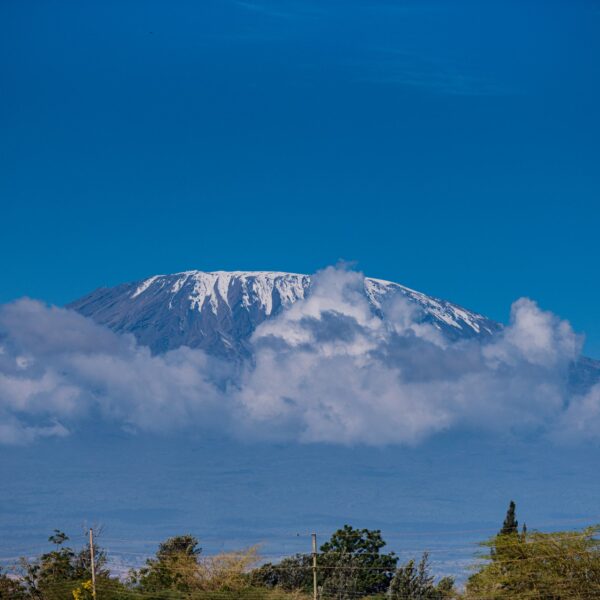
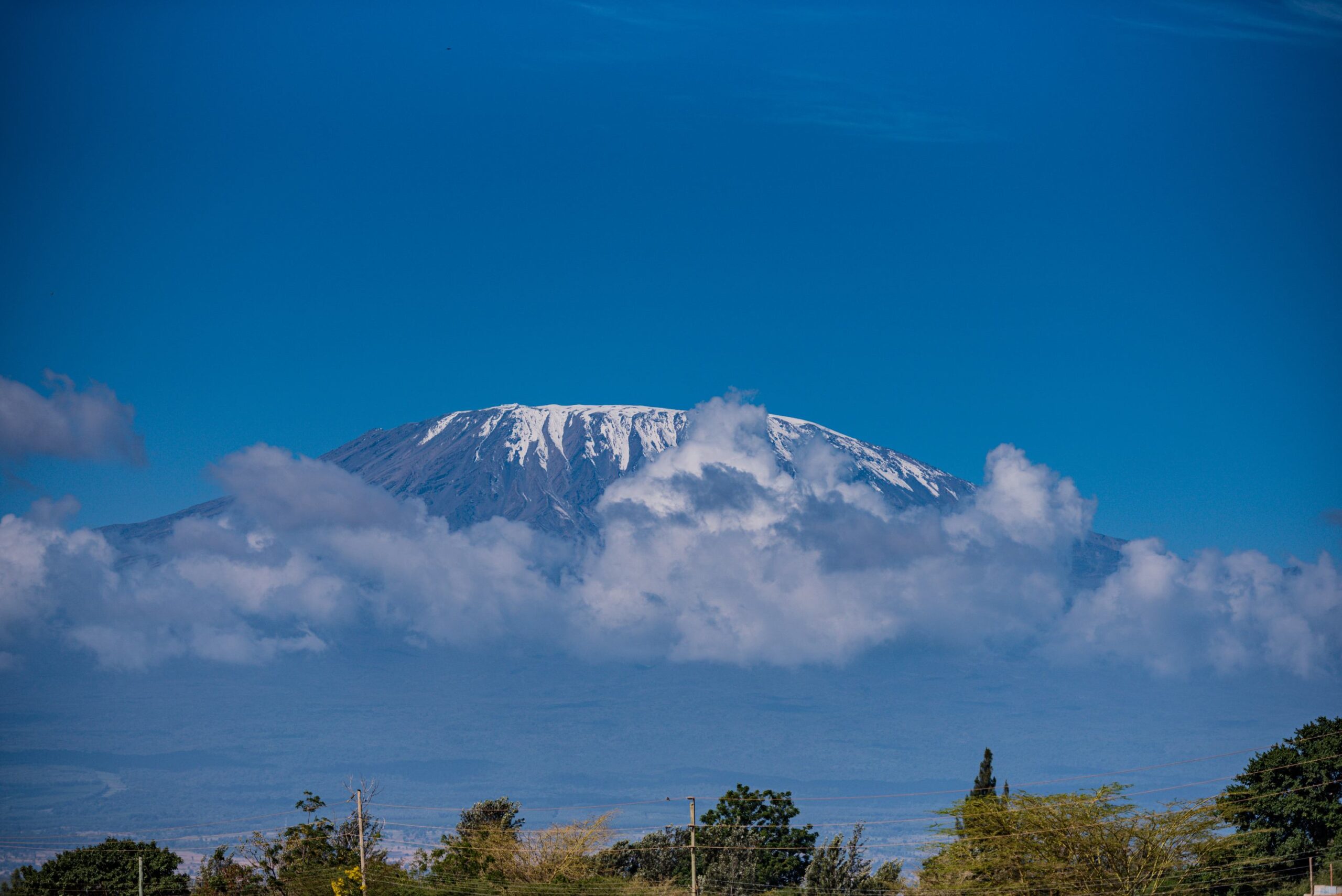
The 7 Days Shira Route begins on the western side of Mount Kilimanjaro, approaching the mountain from the Shira Gate area before trekking across the Shira Plateau. This plateau was formed from an ancient volcanic caldera, a geological feature documented by volcanic studies from institutions such as USGS. Because the trail starts at higher altitude compared with other routes, climbers immediately enter the moorland environment and experience wide open landscapes dominated by giant lobelias and senecio plants.
Unlike the busy Machame or Marangu routes, the 7 Days Shira Route remains relatively quiet. Trekkers often enjoy peaceful trails, wildlife sightings, and uninterrupted views of the summit cone known as Kibo. Scientists from Nature Research and Encyclopedia Britannica have documented how Kilimanjaro’s ecosystems support rare alpine species that exist nowhere else in the world.
This route eventually merges with the Machame trail before reaching the summit. Proper acclimatization, professional guiding teams, and responsible environmental practices are essential for a safe climb. Ethical mountain tourism guidelines recommended by organizations such as Adventure Travel Trade Association emphasize sustainable trekking and respect for mountain communities.
Detailed Itinerary – 7 Days Shira Route
Day 1 – Shira Gate to Shira Camp 1
The adventure begins with a scenic drive from Moshi or Arusha toward Kilimanjaro National Park. Park management and conservation policies are guided by international standards supported by research from UNESCO, which recognizes Kilimanjaro as a World Heritage Site. After registration at the gate, trekkers begin hiking across the Shira Plateau.
The trail gradually climbs through heather and moorland landscapes, offering sweeping views of the surrounding plains. The first camp sits at approximately 3,500 meters, where climbers enjoy their first clear view of the mountain’s upper slopes. Professional expedition teams such as those arranged through Relax Africa Safari Kilimanjaro expeditions ensure proper campsite setup, meals, and safety briefings.
Day 2 – Shira Camp 1 to Shira Camp 2
On the second day of the 7 Days Shira Route, trekkers cross deeper into the Shira Plateau. The terrain is gentle but expansive, creating a sense of vast openness rarely experienced on other Kilimanjaro routes. Environmental observations collected by organizations such as Conservation International highlight how high-altitude vegetation survives in these extreme climates.
Camp is reached near the base of Shira Cathedral, a striking rock formation that rises dramatically from the plateau. Evening views often reveal stunning sunsets behind Mount Meru.
Day 3 – Shira Camp 2 to Lava Tower to Barranco Camp
This day plays a crucial role in acclimatization during the 7 Days Shira Route. Trekkers ascend to Lava Tower at over 4,600 meters before descending to Barranco Camp. This “climb high, sleep low” strategy helps the body adapt to altitude changes.
Medical studies from institutions such as World Health Organization and CDC emphasize that gradual acclimatization significantly reduces the risk of altitude sickness during high mountain expeditions.
Day 4 – Barranco Camp to Karanga Camp
The fourth day of the 7 Days Shira Route begins with the famous Barranco Wall, a dramatic but non-technical scramble that rewards climbers with breathtaking views of the glaciers. Climbers move slowly across ridges while guides monitor pacing and hydration levels.
The landscape transitions into alpine desert terrain, where rainfall is rare and vegetation becomes sparse. Climate monitoring groups such as NASA Climate Research have documented how rising global temperatures are affecting glacier coverage on Kilimanjaro.
Day 5 – Karanga Camp to Barafu Camp
Trekkers continue upward toward Barafu Camp, the base camp for the summit attempt. The environment here is rugged and dramatic, dominated by rocky slopes and expansive views of the summit ridge.
Climbing teams usually rest early, preparing equipment and mentally focusing for the overnight ascent. If you want to prepare for high-altitude climbs, helpful trekking resources are available from The Alpine Club and American Alpine Club.
Day 6 – Summit Day to Uhuru Peak
The summit push begins around midnight. Climbers slowly ascend toward Stella Point and eventually reach Uhuru Peak, the highest point in Africa. Standing at 5,895 meters above sea level, the summit offers breathtaking views across Tanzania and Kenya.
Geographic studies published by National Geographic Society describe Kilimanjaro as one of the world’s most iconic free-standing mountains. After reaching the summit, climbers descend back to Barafu Camp and continue toward Mweka Camp.
Day 7 – Mweka Camp to Mweka Gate
The final day of the 7 Days Shira Route descends through lush rainforest to Mweka Gate. This region supports rich biodiversity studied by organizations like BirdLife International and Global Biodiversity Information Facility.
After receiving summit certificates, climbers return to Moshi for celebration and rest. Many visitors extend their trip with wildlife experiences such as Serengeti safari tours or Tanzania safari packages.
Why Choose the 7 Days Shira Route
The 7 Days Shira Route stands out because it combines wilderness, panoramic scenery, and strong acclimatization. Climbers enjoy quieter trails, expansive views, and the opportunity to cross one of the most dramatic volcanic plateaus in Africa.
Experts from Oxford University, Cambridge University, and environmental researchers at Columbia University have conducted studies on Kilimanjaro’s ecosystems, reinforcing the mountain’s importance as both a natural laboratory and a global conservation priority.
Pricing of the 7 Days Shira Route (2026–2028)
The cost of the 7 Days Shira Route depends on group size, service level, and season. On average, prices range between $2,200 and $3,200 per person for a full expedition with professional guides, park permits, and equipment.
Private climbs, luxury camping options, and extended safari combinations may increase the price. Travelers planning climbs during 2026, 2027, or 2028 are encouraged to book early due to limited park permits and increasing demand for responsible trekking experiences.
To begin planning your expedition, explore detailed itineraries and consultation services through Relax Africa Safari, where experienced teams assist climbers with preparation, logistics, and training advice.