

7 Days Umbwe Route 2026, 2027, 2028 – Ultimate Kilimanjaro Climb Adventure Package
Duration
Overview
Overview of the 7 Days Umbwe Route
The 7 Days Umbwe Route is widely recognized as one of the most scenic yet demanding trails on Mount Kilimanjaro. Starting on the southern slopes of the mountain, the trail quickly climbs through lush rainforest before transitioning into the rugged ridges and valleys of the Shira Plateau. Unlike other routes that gradually ascend, the Umbwe path begins steeply, making it suitable for trekkers with prior hiking experience and strong physical preparation.
Scientific organizations including IUCN, World Wildlife Fund, and Conservation International highlight Mount Kilimanjaro as one of Africa’s most important biodiversity zones. Trekking through this environment offers the chance to observe endemic plant species, rare birdlife, and evolving alpine ecosystems that have been studied by researchers from Harvard University and University of Oxford.
During the 7 Days Umbwe Route expedition, climbers pass through several ecological zones including tropical rainforest, moorland, alpine desert, and arctic summit terrain. These dramatic changes in landscape provide a truly immersive climbing experience and are frequently referenced in environmental studies conducted by National Geographic Society and Smithsonian Institution.
Travelers often combine the climb with a wildlife safari arranged by Relax Africa Safari, exploring national parks where conservation programs supported by Wildlife Conservation Society and Food and Agriculture Organization help protect East Africa’s ecosystems.
Detailed Itinerary – 7 Days Umbwe Route
Day 1 – Umbwe Gate to Umbwe Camp
The journey begins at Umbwe Gate, located on the southern side of Mount Kilimanjaro. After registration with park authorities, climbers enter the dense rainforest that covers the lower slopes of the mountain. The trail climbs steeply along narrow ridges surrounded by towering trees and thick vegetation. Researchers from Royal Botanic Gardens Kew have identified many plant species in this region, highlighting the biodiversity of Kilimanjaro’s rainforest ecosystem.
After several hours of trekking, the team arrives at Umbwe Camp where porters prepare dinner and tents while guides brief climbers about the following day’s trek.
Day 2 – Umbwe Camp to Barranco Camp
The second day of the 7 Days Umbwe Route transitions from rainforest into moorland vegetation. The trail becomes steeper and more rugged, revealing dramatic views of valleys and distant glaciers. Environmental research conducted by NASA Earth Observatory shows how Kilimanjaro’s glaciers have been shrinking over the past century, making these landscapes especially fascinating for visitors.
Trekkers reach Barranco Camp, one of the most scenic campsites on the mountain, located below the famous Barranco Wall.
Day 3 – Barranco Camp to Karanga Camp
Climbers start the day by ascending the Barranco Wall, a thrilling yet manageable scramble that rewards hikers with spectacular panoramic views. The route then descends into the Karanga Valley before reaching Karanga Camp. Conservation experts from UNEP World Conservation Monitoring Centre have noted that this zone represents a unique alpine desert ecosystem.
Day 4 – Karanga Camp to Barafu Camp
The trek continues toward Barafu Camp, the final base before the summit push. The terrain becomes rocky and barren as the altitude increases. Climbers rest early in preparation for the midnight ascent. Scientific monitoring by NOAA and UK Met Office helps researchers understand weather patterns affecting Kilimanjaro’s summit region.
Day 5 – Summit Day to Uhuru Peak
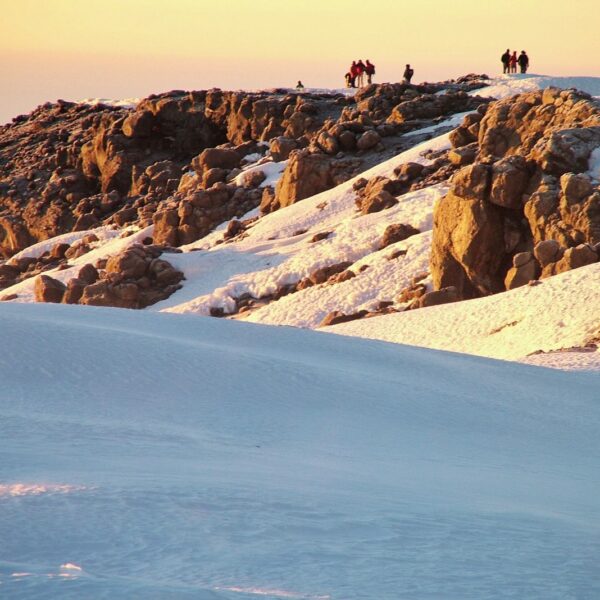
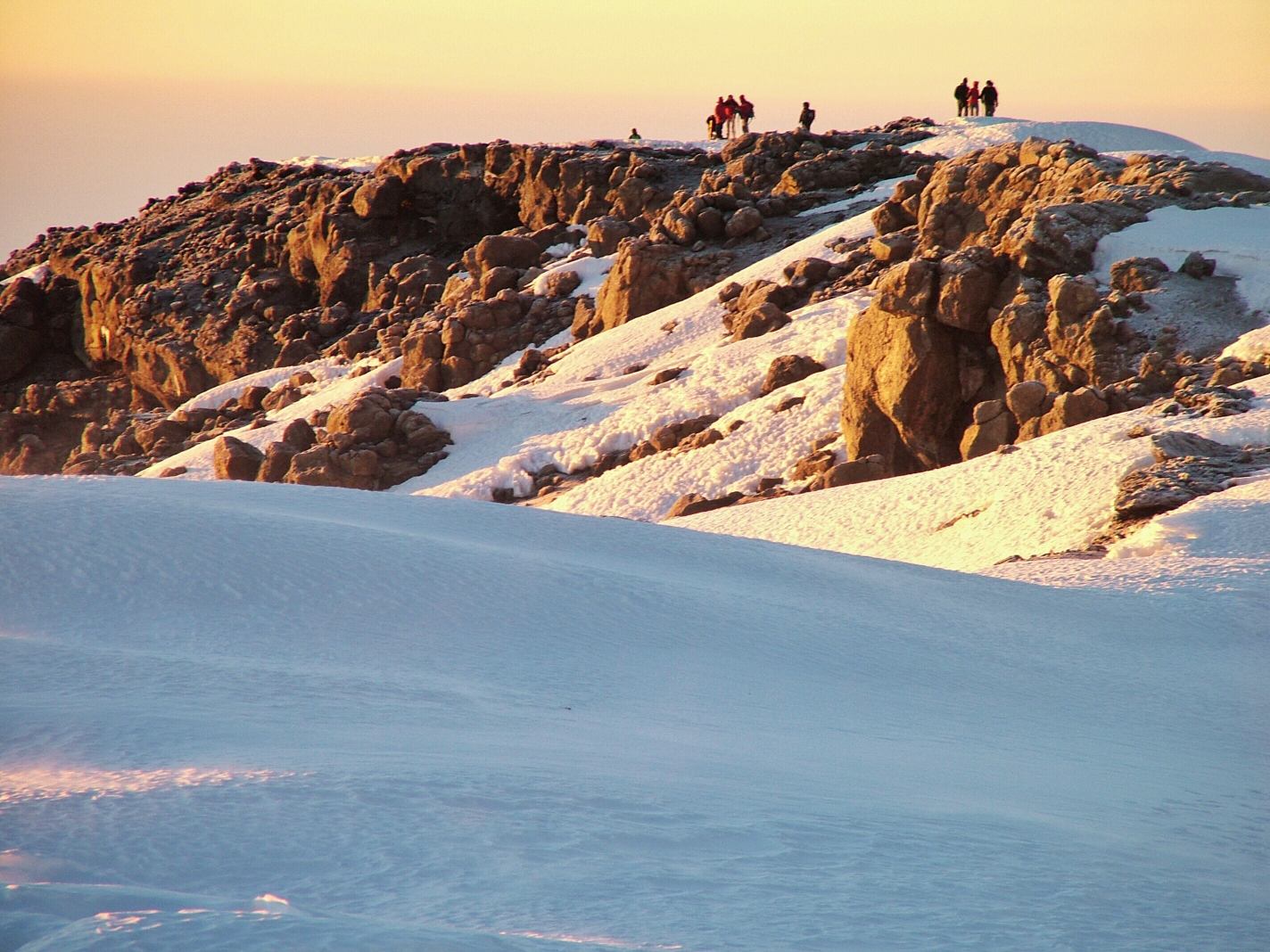
This is the most challenging yet rewarding day of the 7 Days Umbwe Route. Climbers depart around midnight and ascend slowly toward Stella Point before reaching Uhuru Peak at sunrise. Standing at 5,895 meters above sea level, Uhuru Peak offers extraordinary views across Africa’s highest mountain.
Geological studies by US Geological Survey confirm that Kilimanjaro is a dormant volcanic massif consisting of three cones: Kibo, Mawenzi, and Shira.
Day 6 – Descent to Mweka Camp
After celebrating the summit achievement, climbers descend through alpine desert toward Mweka Camp. The descent provides relief from high altitude while allowing trekkers to enjoy sweeping views across the mountain’s southern slopes.
Day 7 – Mweka Camp to Mweka Gate
The final day of the 7 Days Umbwe Route passes through lush rainforest before reaching Mweka Gate where climbers receive their summit certificates. Many travelers celebrate their achievement with a safari or cultural experience arranged through Relax Africa Safari.
Why Choose the 7 Days Umbwe Route
The 7 Days Umbwe Route is perfect for adventurous trekkers seeking a more secluded Kilimanjaro experience. Compared with popular routes, Umbwe sees fewer climbers, creating a more immersive wilderness atmosphere. The dramatic ridges, steep valleys, and panoramic summit approach make it one of the most visually rewarding routes on the mountain.
Booking with Relax Africa Safari ensures experienced guides, responsible porter treatment, and carefully planned logistics that maximize both safety and summit success.
Pricing for the 7 Days Umbwe Route (2026–2028)
The cost of the 7 Days Umbwe Route expedition varies depending on group size, travel season, and optional services. On average, prices range between $1,950 and $2,400 per person for group climbs. Private expeditions may cost slightly more depending on customization.
The package price includes park fees, guide wages, accommodation on the mountain, meals during the trek, and logistical support. Discounts may apply for larger groups or early bookings made through Relax Africa Safari.
Many climbers combine their Kilimanjaro adventure with wildlife experiences in Tanzania’s national parks. These landscapes are globally recognized for biodiversity and are studied by organizations such as The Nature Conservancy and University of Cambridge, highlighting the ecological significance of East Africa’s protected areas.
The 7 Days Umbwe Route ultimately offers a remarkable balance of adventure, scenery, and accomplishment. For trekkers ready to challenge themselves while witnessing one of the world’s most iconic mountains, this route provides an unforgettable expedition across Africa’s rooftop.