

8 Days Northern Circuit Safari 2026,2027,2028 – Ultimate Big Five Adventure Guide & Best Luxury Itinerary
Duration
Overview
8 Days Northern Circuit Safari 2026,2027,2028 is one of the most rewarding wildlife journeys in East Africa, designed for travelers who want to experience Tanzania’s legendary national parks in a single well-crafted itinerary. This safari route connects the iconic Serengeti plains, the wildlife-rich Ngorongoro Crater, the elephant-filled Tarangire landscape, and the scenic Lake Manyara ecosystem. Over eight unforgettable days, travelers witness Africa’s raw wilderness, diverse habitats, and extraordinary wildlife migrations while enjoying carefully selected lodges and expert guiding. The itinerary balances exploration, comfort, and conservation awareness, giving visitors a meaningful encounter with some of the world’s most protected ecosystems.
Travelers choosing this experience also gain insight into the region’s conservation efforts. Organizations such as World Wildlife Fund, International Union for Conservation of Nature, and National Geographic continue to support research and awareness programs that help protect African wildlife and habitats. Safari experiences that follow responsible tourism practices contribute to these broader efforts while providing unforgettable adventures in nature.
Table of Contents
ToggleOverview of the 8 Days Northern Circuit Safari 2026,2027,2028
The 8 Days Northern Circuit Safari 2026,2027,2028 is designed to showcase Tanzania’s most celebrated wildlife destinations in a logical route that maximizes wildlife viewing while minimizing unnecessary travel time. Beginning in Arusha, the safari moves through Tarangire National Park, Lake Manyara National Park, the vast Serengeti ecosystem, and the Ngorongoro Conservation Area. Each destination offers distinct landscapes and wildlife encounters, ensuring that travelers experience a wide range of ecosystems within a single journey.
Tarangire is famous for ancient baobab trees and large elephant herds, while Lake Manyara is known for tree-climbing lions and vibrant birdlife. The Serengeti, often described by researchers at institutions like Smithsonian Institution and Encyclopaedia Britannica, hosts one of the greatest wildlife spectacles on Earth — the Great Migration. Meanwhile, Ngorongoro Crater provides one of Africa’s highest wildlife densities within a collapsed volcanic caldera recognized as a UNESCO World Heritage Site.
Beyond wildlife viewing, the safari introduces travelers to East Africa’s cultural and environmental heritage. Research organizations such as Nature Research, ScienceDirect, and Proceedings of the National Academy of Sciences continue to publish studies about the ecological importance of these landscapes, highlighting the significance of responsible tourism within protected ecosystems.
For travelers planning future African adventures, detailed planning resources and regional travel support can also be found through Relax Africa Safari, where itineraries are crafted with a focus on sustainability, safety, and authentic wildlife experiences.
Detailed Itinerary – 8 Days Northern Circuit Safari 2026,2027,2028
Day 1: Arrival in Arusha
Arrival takes place at Kilimanjaro International Airport, the main gateway for travelers visiting northern Tanzania. Guests are welcomed by a professional safari representative and transferred to a comfortable lodge in Arusha. This city sits at the base of Mount Meru and serves as the logistical hub for most safaris in the region. Travelers receive a detailed briefing about the upcoming 8 Days Northern Circuit Safari 2026,2027,2028, ensuring they understand the route, wildlife expectations, and safety guidelines.
Arusha itself offers an interesting blend of culture and nature. Nearby conservation organizations and academic institutions frequently collaborate with global environmental bodies such as Conservation International and WWF International to protect biodiversity throughout East Africa.
Day 2: Arusha to Tarangire National Park
The safari officially begins with a scenic drive toward Tarangire National Park. This park is often overlooked compared to the Serengeti but remains one of Tanzania’s most fascinating wildlife areas. During the dry season, thousands of elephants gather around the Tarangire River, making it one of the best locations in Africa to observe elephant behavior.
Researchers from institutions like University of Cambridge and University of Oxford have contributed studies on elephant social structures, many of which are based on observations from East African ecosystems. The landscape here is dotted with baobab trees and acacia woodland, creating dramatic scenery for photography and wildlife observation.
Day 3: Tarangire to Lake Manyara National Park
The journey continues toward Lake Manyara National Park, a compact but ecologically diverse area nestled beneath the Great Rift Valley escarpment. Lake Manyara’s shallow soda lake attracts flamingos, pelicans, and dozens of migratory bird species. Ornithologists often reference databases maintained by BirdLife International and Audubon Society when studying migratory patterns across East Africa.
Beyond birds, visitors may encounter giraffes, hippos, and the park’s famous tree-climbing lions. These unusual predators often rest in acacia branches, creating one of the most distinctive wildlife sightings in Tanzania.
Day 4: Lake Manyara to Serengeti National Park
The safari then moves toward the world-renowned Serengeti ecosystem. The drive passes through the Ngorongoro Highlands before descending into endless grasslands that stretch toward the horizon. The Serengeti is globally recognized for hosting the Great Migration, where over a million wildebeest travel across the plains in search of fresh grazing.
Scientific observations from organizations such as National Geographic Society, National Oceanic and Atmospheric Administration, and NASA Earth Observatory help track seasonal environmental changes influencing migration routes.
Day 5: Full-Day Serengeti Game Drive
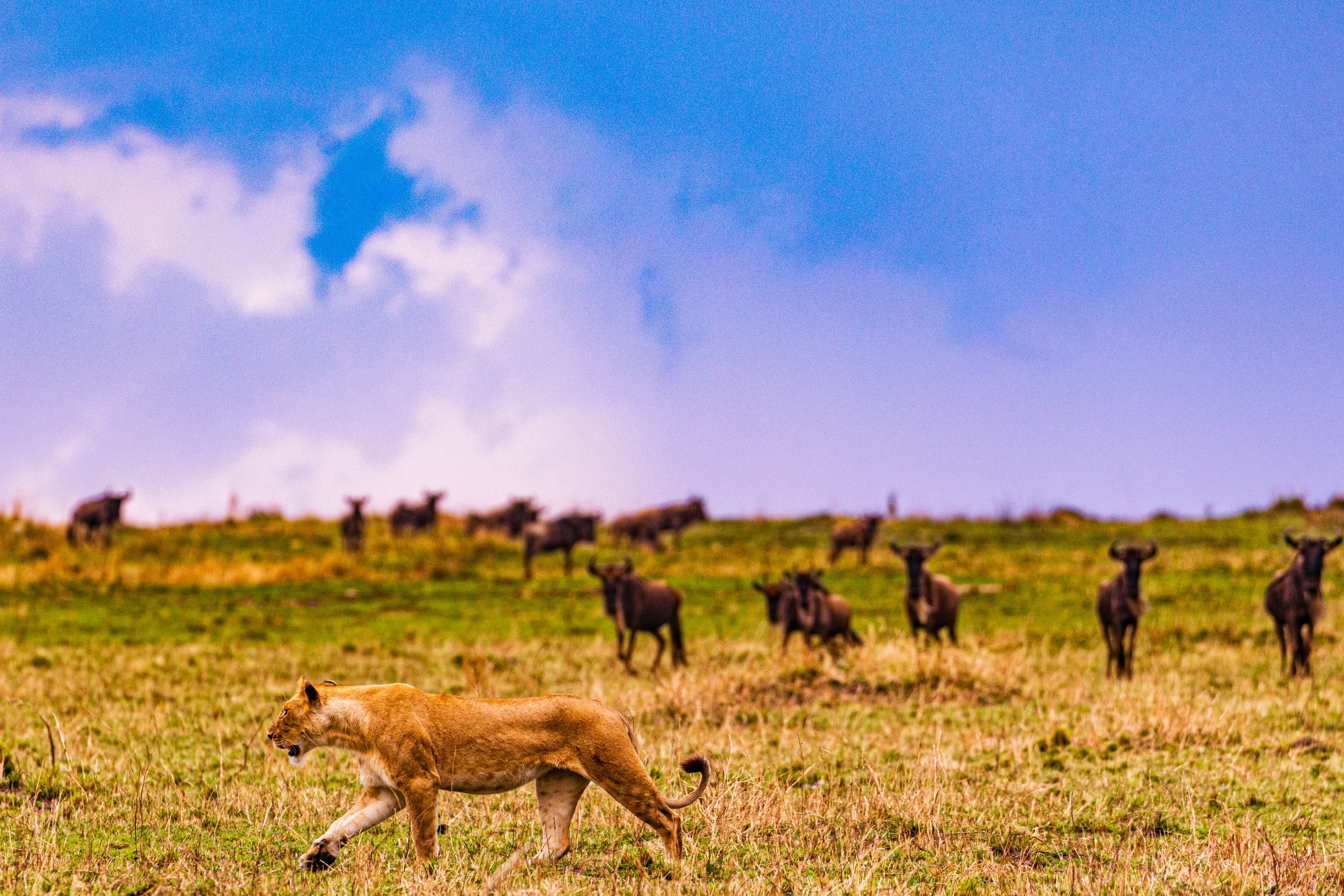
This day is dedicated to exploring the Serengeti in depth. Game drives begin early in the morning when predators are most active. Lions, cheetahs, and leopards dominate the food chain here, while large herds of zebra and wildebeest move across the plains.
The Serengeti remains one of the most studied ecosystems on Earth. Wildlife research initiatives supported by The Nature Conservancy, Wildlife Conservation Society, and Zoological Society of London continue to monitor predator-prey relationships and long-term ecosystem health.
During the 8 Days Northern Circuit Safari 2026,2027,2028, this full day in the Serengeti often becomes the highlight for travelers, as wildlife encounters can occur at any moment across the open savannah.
Day 6: Serengeti Exploration
Another day in the Serengeti allows travelers to explore deeper regions of the park, including river systems and kopje rock formations where lions often rest. Cheetahs are commonly spotted scanning the plains from termite mounds, while hyenas patrol the grasslands in organized clans.
Studies from Harvard University, Stanford University, and UC Davis Wildlife Health Center have helped expand global understanding of predator dynamics and disease ecology within African wildlife populations.
Day 7: Serengeti to Ngorongoro Crater
The safari continues toward Ngorongoro Conservation Area, where travelers descend into the famous Ngorongoro Crater. This natural amphitheater spans roughly 260 square kilometers and contains nearly every major African wildlife species. Due to its unique geography, animals remain within the crater throughout the year.
The crater is widely recognized by conservation experts, including those affiliated with United Nations Environment Programme and Global Environment Facility, as one of the most remarkable wildlife conservation landscapes on the planet.
Day 8: Return to Arusha
The final day includes a scenic return drive to Arusha. Travelers often reflect on the diverse wildlife encounters experienced during the 8 Days Northern Circuit Safari 2026,2027,2028. Before departure, guests may enjoy local markets or cultural visits before transferring to the airport.
Travel planning resources, safari consultations, and additional itineraries can be explored through Relax Africa Safari Tanzania tours and Serengeti safari packages, where customized itineraries are available for families, photographers, and wildlife enthusiasts.
Why Choose the 8 Days Northern Circuit Safari 2026,2027,2028
The 8 Days Northern Circuit Safari 2026,2027,2028 stands out because it combines multiple ecosystems within one seamless journey. Travelers witness baobab-dotted landscapes in Tarangire, birdlife at Lake Manyara, the expansive plains of the Serengeti, and the dense wildlife concentration of Ngorongoro Crater.
This itinerary also prioritizes responsible tourism practices supported by conservation authorities and research organizations. Partnerships with environmental institutions and adherence to protected area regulations ensure that tourism contributes positively to wildlife protection and community development.
Guests seeking reliable safari planning assistance can explore further guidance and destination resources through Relax Africa Safari travel experts, where safari specialists help design personalized African travel experiences.
Pricing of the Itinerary
The cost of the 8 Days Northern Circuit Safari 2026,2027,2028 varies depending on travel season, accommodation category, and group size. On average, travelers can expect the following price ranges:
- Budget Safari: $2,200 – $2,800 per person
- Mid-Range Safari: $3,000 – $3,800 per person
- Luxury Safari: $4,500 – $6,500 per person
Peak migration months often influence pricing due to high demand and limited lodge availability. Early reservations are recommended for travelers planning wildlife-focused trips between June and October.
Those interested in booking or customizing this itinerary can explore additional information through Relax Africa Safari booking assistance, where safari planners provide detailed quotations and travel advice.
Included/Exclude
- All park entrance fees and conservation charges
- Professional English-speaking safari guide
- Private 4x4 safari vehicle with pop-up roof
- Full-board accommodation during the safari
- Airport transfers and local transportation
- Daily game drives and wildlife tracking
- Bottled drinking water during game drives
- Government taxes and tourism levies
- International flights
- Travel insurance
- Visa fees for Tanzania
- Personal expenses and souvenirs
- Optional activities such as balloon safaris
- Tips for guides and lodge staff