
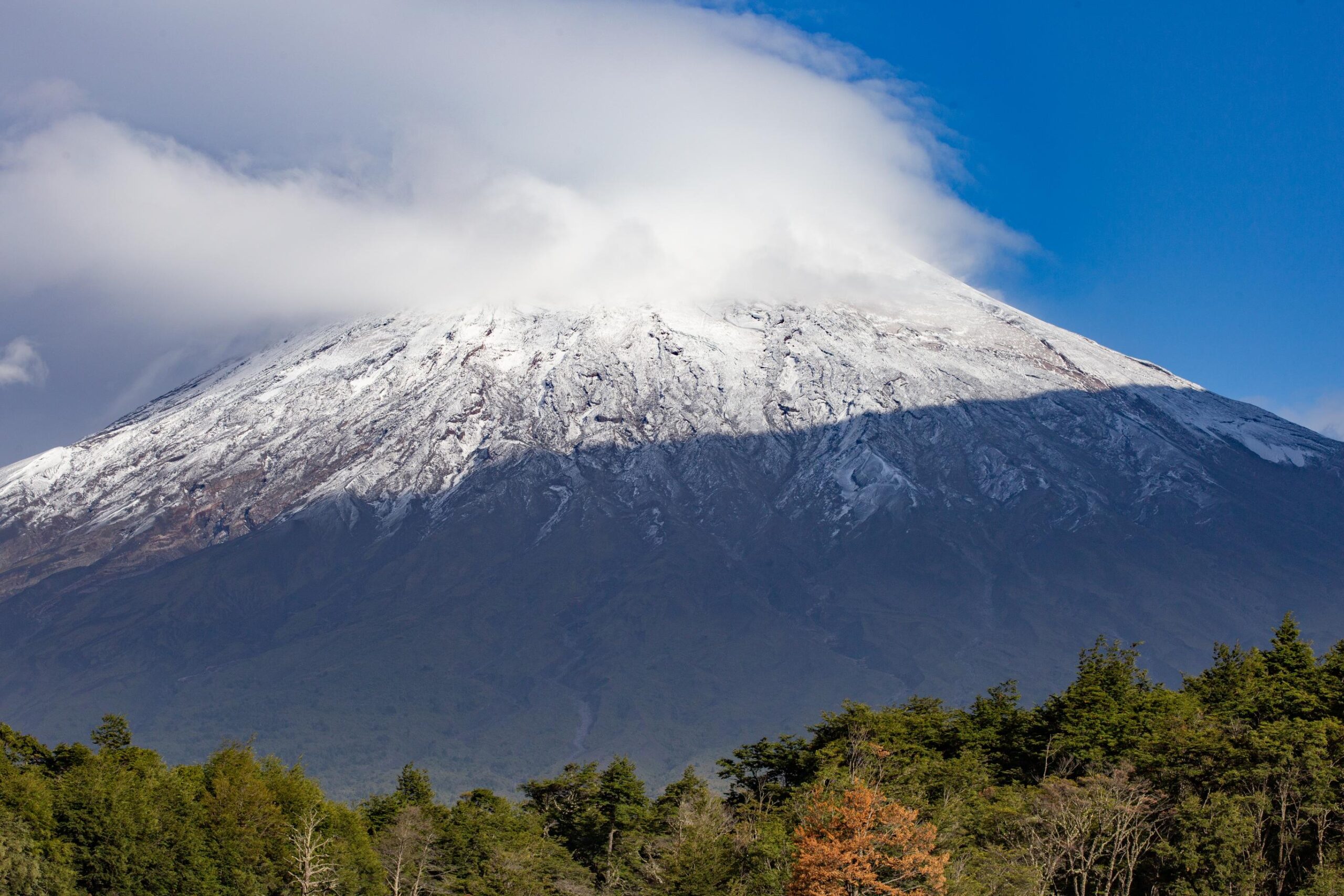
How Hard Is It to Climb Mount Kilimanjaro? Many travelers ask this before planning their adventure to Africa’s highest peak. The truth is both simple and complex. Mount Kilimanjaro is not a technical climb, yet it challenges your body, mind, and preparation in ways few other trekking destinations can. Understanding the real level of effort required helps you prepare properly and increases your chances of reaching Uhuru Peak successfully.
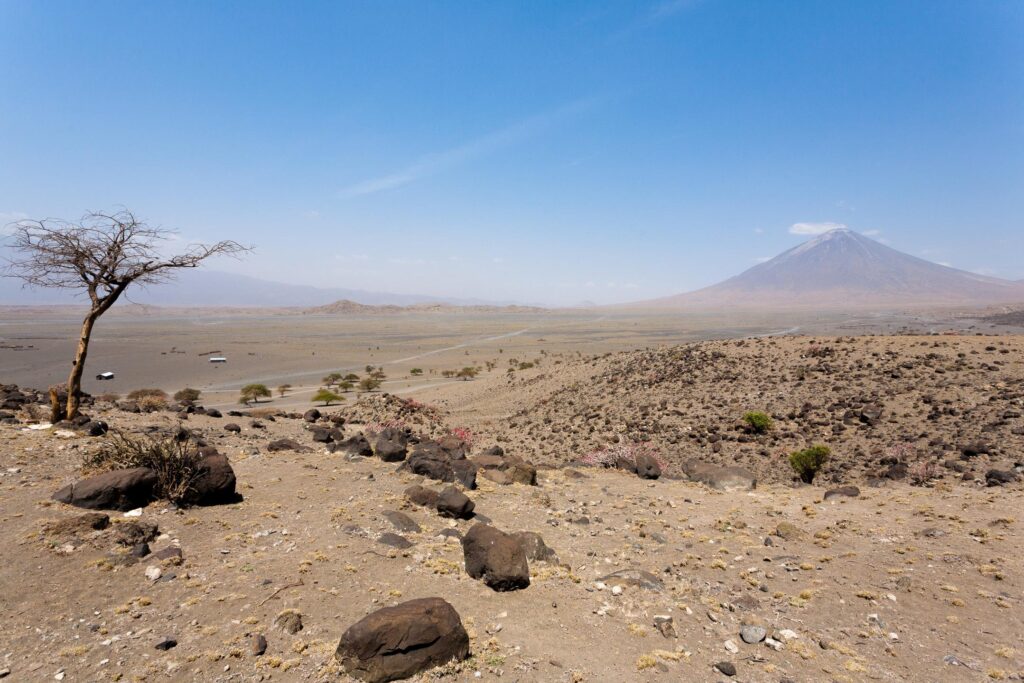
Standing proudly in Tanzania, Kilimanjaro attracts climbers from across the globe each year. Organizations such as National Geographic and Encyclopaedia Britannica describe it as one of the world’s most iconic mountains. Yet its popularity often hides the reality that the journey is physically demanding, especially due to altitude and endurance requirements.
Understanding How Hard Is It to Climb Mount Kilimanjaro?
The difficulty of climbing Kilimanjaro depends on preparation, route choice, altitude response, and personal fitness level. Unlike peaks requiring ropes and technical mountaineering skills, Kilimanjaro is considered a trekking mountain. However, altitude sickness remains the greatest challenge, as confirmed by medical research published through World Health Organization studies on high-altitude exposure.
Most trekkers hike for 6–9 days across changing ecosystems, from rainforest to arctic summit zones. Reports by NASA and NASA Earth Observatory highlight Kilimanjaro’s unique ecological layers. This variety adds beauty but also physical strain, since weather shifts quickly and hiking becomes more exhausting with elevation gain.
Physical Fitness Requirements for Climbers
Climbing Kilimanjaro requires moderate to high endurance rather than strength. Experts from CDC recommend consistent cardiovascular training before high-altitude travel. Long hikes, stair climbing, and light strength workouts help condition your body for long trekking days.
Many trekkers underestimate the daily walking distance. Most routes involve 5–8 hours of hiking daily. This sustained effort can fatigue even experienced hikers. Preparing with gradual training and booking through experienced operators like Relax Africa Safari improves safety and confidence.
Cardio Endurance and Strength
Fitness specialists from institutions such as Mayo Clinic stress the importance of endurance conditioning. Walking uphill with a weighted backpack mimics Kilimanjaro conditions effectively. Strengthening your legs, core, and balance helps prevent fatigue and injuries during steep sections.
Mental Strength and Motivation
Climbing Kilimanjaro is also psychological. Trekkers face early mornings, cold nights, and unpredictable weather. Research from American Psychological Association shows mental resilience improves physical endurance outcomes. Staying motivated through slow summit pushes often determines success.
Altitude: The Real Challenge
Altitude sickness remains the biggest factor when assessing how hard Kilimanjaro feels. According to research from National Institutes of Health, oxygen levels drop significantly above 3,000 meters. Climbers may experience headaches, nausea, dizziness, or fatigue.
Guides from Relax Africa Safari emphasize slow pacing and hydration. Choosing longer routes with better acclimatization greatly improves summit success rates. Following guidelines from organizations like The Alpine Club also helps reduce altitude-related risks.
Acclimatization Strategies
Climbing slowly is the most effective strategy. Medical guidance from Mount Sinai Health System supports gradual altitude gain and proper hydration. Climbers are advised to “walk high, sleep low,” a principle widely practiced on Kilimanjaro routes.
Weather Conditions on Kilimanjaro
Kilimanjaro’s weather changes dramatically across zones. Climate studies from UK Met Office show summit temperatures often drop below freezing. Rainforest sections are humid and muddy, while alpine deserts are dry and windy.
Understanding seasonal patterns is essential. Reports from NOAA indicate January–March and June–October are the most stable months. Trekking with experienced planners like Relax Africa Safari ensures proper timing.
Route Difficulty Comparison
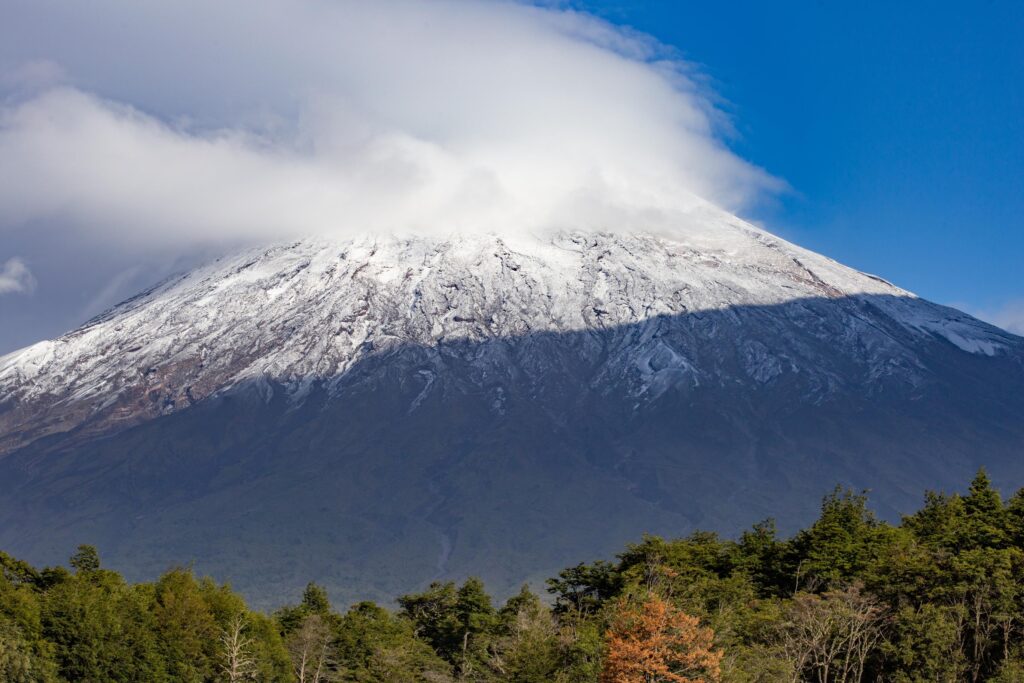
Different routes vary in difficulty and success rates. Studies from International Climbing and Mountaineering Federation highlight how route choice impacts fatigue and altitude adaptation.
Machame Route
The Machame route is scenic but physically demanding due to steeper sections. Many trekkers choose it for its beauty and acclimatization benefits.
Lemosho Route
Lemosho offers excellent acclimatization and scenic diversity. Conservation data from IUCN highlights the biodiversity encountered along this trail.
Marangu Route
Often called the “Coca-Cola route,” Marangu is shorter but has lower success rates due to limited acclimatization time.
Rongai Route
Rongai approaches from the north and is less crowded. Wildlife studies from WWF note sightings of unique species along this quieter path.
Typical Daily Trekking Experience
Each trekking day follows a structured routine. Research from University of Oxford emphasizes pacing consistency in endurance activities.
Days begin early with breakfast and gradual ascents. Lunch breaks offer rest, followed by shorter afternoon walks. Evenings focus on hydration and recovery. Guided support through Relax Africa Safari ensures smooth logistics and safety monitoring.
Equipment and Gear Requirements
Proper gear significantly reduces perceived difficulty. Outdoor research from REI Co-op emphasizes layered clothing systems for high-altitude trekking.
Essential items include insulated jackets, thermal wear, waterproof boots, gloves, and headlamps. Organizations like Outdoor Industry Association stress investing in quality equipment for safety.
Guided vs Independent Climbing
Tanzania regulations require guided climbs for Kilimanjaro. Policy frameworks from UNEP support this approach to preserve ecosystems and ensure safety.
Experienced operators such as Relax Africa Safari provide trained guides, porters, and structured itineraries, greatly improving summit success rates.
Environmental and Conservation Considerations
Kilimanjaro’s glaciers are shrinking due to climate change. Research from NASA Climate and UNESCO highlights the urgency of sustainable tourism.
Responsible trekking minimizes environmental impact. Programs from Leave No Trace provide practical conservation guidelines for trekkers.
How Hard Is It to Climb Mount Kilimanjaro Compared to Other Peaks?
Compared with Everest Base Camp or Mount Kenya, Kilimanjaro is less technical but still physically demanding. Mountaineering comparisons from Royal Geographical Society emphasize altitude challenges over technical climbing skills.
Tips to Make the Climb Easier
Preparation and pacing are key. Health advice from Harvard Health suggests hydration, slow walking, and proper nutrition.
Trekkers who follow expert guidance, train consistently, and select reputable operators experience significantly higher summit success rates.
Conclusion
So, how hard is Kilimanjaro? The answer depends largely on preparation, mindset, and planning. While it is not technically difficult, the altitude and endurance required make it a serious challenge. With the right preparation, experienced guides, and determination, reaching Uhuru Peak becomes an achievable and unforgettable goal.