

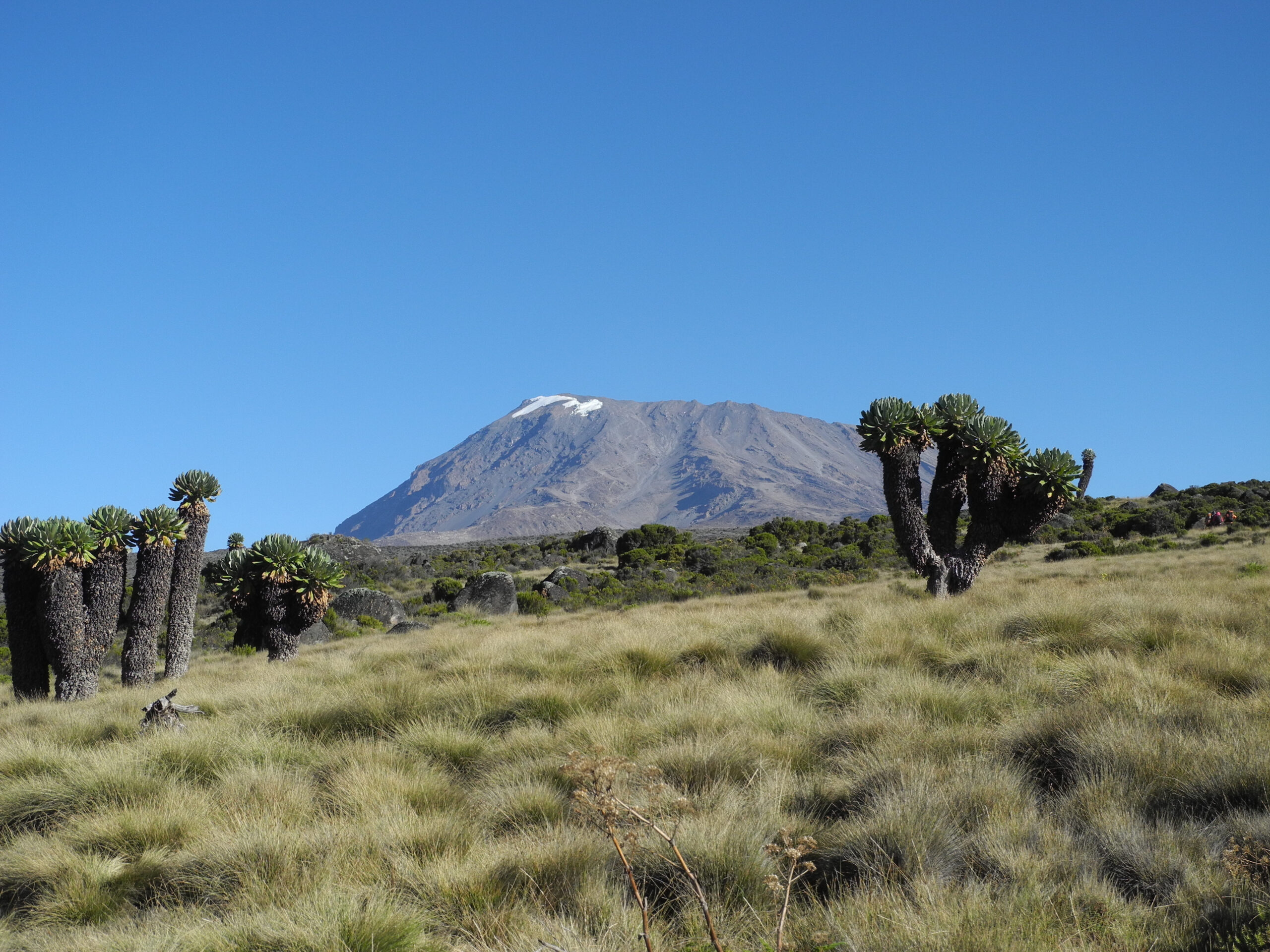
Kilimanjaro Altitude Sickness Guide is one of the most important resources any climber should read before attempting Africa’s highest mountain. Mount Kilimanjaro rises to 5,895 meters above sea level, and while it is considered a non-technical climb, altitude remains the biggest challenge for most trekkers. Understanding how altitude affects the human body, learning early warning signs, and applying proven prevention strategies can dramatically increase your chances of reaching the summit safely. Many climbers underestimate altitude sickness, but with proper planning, gradual acclimatization, and guidance from experienced mountain teams like Relax Africa Safari, the journey becomes far safer and more enjoyable.
Altitude sickness, medically known as Acute Mountain Sickness (AMS), occurs when the body struggles to adapt to reduced oxygen levels at high elevation. According to research shared by WHO, oxygen levels decrease significantly above 2,500 meters, affecting breathing, circulation, and brain function. Climbers heading to Kilimanjaro often reach this altitude within the first day of trekking, which is why education and preparation are essential. This Kilimanjaro Altitude Sickness Guide explains symptoms, prevention techniques, and practical tips used by professional mountain guides.
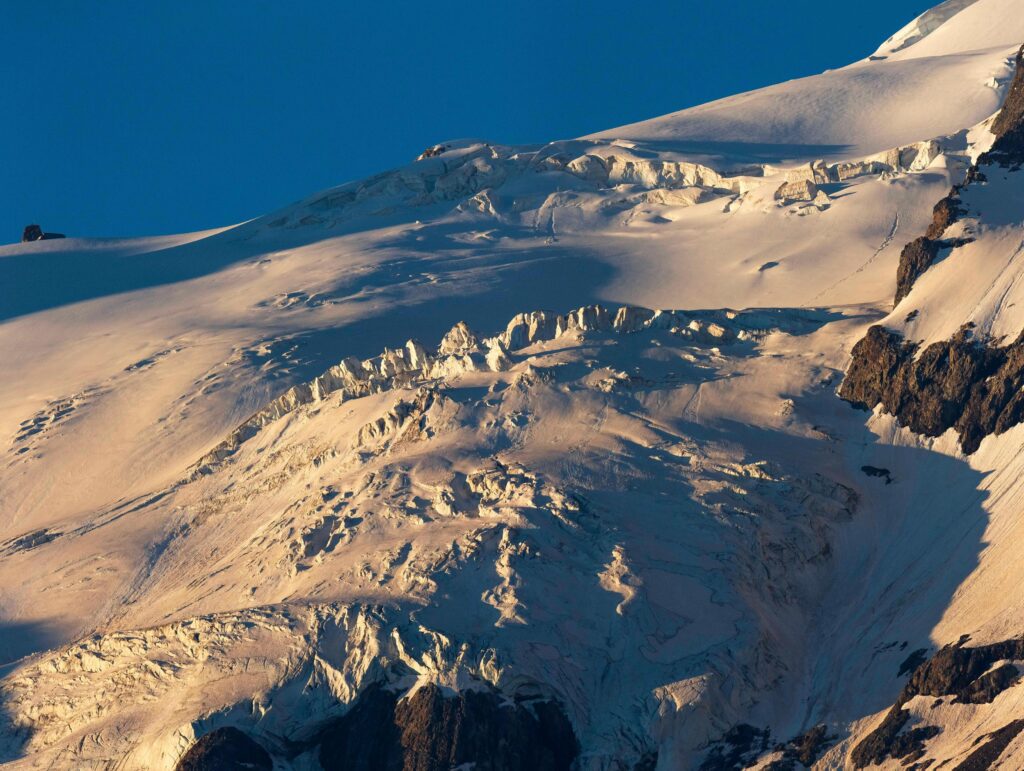
Understanding High Altitude on Mount Kilimanjaro
Kilimanjaro Altitude Sickness Guide discussions usually begin with understanding how altitude affects the body. As elevation increases, air pressure drops and oxygen molecules become less available for the body to absorb. Research published by PubMed and National Institutes of Health explains that this reduced oxygen level forces the body to work harder, increasing breathing and heart rate.
On Mount Kilimanjaro, trekkers typically start around 1,800 meters and ascend to nearly 6,000 meters in only a few days. Compared with other mountains where climbers spend weeks acclimatizing, Kilimanjaro’s relatively fast ascent is why altitude sickness becomes a major risk. Organizations such as CDC and NHS confirm that rapid elevation gain is the primary cause of AMS.
Trekkers following professionally designed itineraries from operators like Relax Africa Safari often experience higher summit success rates because routes are planned with acclimatization days. Longer routes such as the Lemosho or Northern Circuit allow the body to adjust gradually, reducing the risk of severe altitude illness.
Common Symptoms Explained in This Kilimanjaro Altitude Sickness Guide
The Kilimanjaro Altitude Sickness Guide would not be complete without recognizing the most common symptoms. Early detection can prevent dangerous complications. Medical organizations including Mayo Clinic and Cleveland Clinic describe several early signs that climbers must watch for during high-altitude trekking.
Mild Acute Mountain Sickness (AMS)
The earliest symptoms are usually mild but should never be ignored. Headaches are the most common warning sign. Climbers may also feel fatigue, dizziness, loss of appetite, and mild nausea. According to research from National Heart Lung and Blood Institute, these symptoms occur because the brain temporarily swells as it adapts to lower oxygen levels.
Most trekkers on Kilimanjaro experience mild symptoms during the first few days. With proper hydration, rest, and gradual climbing, the body typically adapts. Experienced guides from Relax Africa Safari conduct daily health checks to monitor these early indicators.
Moderate Altitude Illness
Moderate symptoms include persistent headaches, vomiting, severe fatigue, and difficulty sleeping. Medical literature available through ScienceDirect explains that these symptoms signal that the body is struggling to acclimatize properly.
Climbers experiencing these symptoms are usually advised to rest, hydrate, and sometimes descend slightly before continuing the trek. Professional mountain teams prioritize safety over summit attempts.
Severe High Altitude Illness
Severe altitude sickness can become life threatening. Conditions such as High Altitude Pulmonary Edema (HAPE) and High Altitude Cerebral Edema (HACE) require immediate descent. Research highlighted by Nature shows these conditions can affect the lungs or brain when oxygen levels drop drastically.
Symptoms may include confusion, difficulty walking, severe breathlessness, and fluid buildup in the lungs. International medical organizations including UNEP and UNESCO stress the importance of trained guides and emergency response systems in high altitude environments.
Kilimanjaro Altitude Sickness Guide – Proven Prevention Strategies
Preventing altitude sickness is far easier than treating it. The Kilimanjaro Altitude Sickness Guide highlights several strategies recommended by doctors, researchers, and experienced mountain guides.
Choose a Longer Climbing Route
Routes lasting seven to nine days allow the body to acclimatize slowly. Research from Harvard University shows that gradual ascent significantly lowers AMS risk. Trekking itineraries offered through Relax Africa Safari prioritize longer routes designed for safe acclimatization.
Climb Slowly and Follow the “Pole Pole” Rule
Local guides on Kilimanjaro use the phrase “pole pole,” meaning slowly. Walking slowly allows the body to adapt to decreasing oxygen levels. Studies referenced by Stanford University highlight that slow ascent improves oxygen efficiency and reduces fatigue.
Hydration is Critical
Dehydration worsens altitude symptoms. Experts from NOAA explain that dry mountain air causes climbers to lose fluids faster than expected. Trekkers are usually advised to drink at least three to four liters of water daily.
Eat High-Energy Foods
Nutrition plays a major role in acclimatization. Research from Food and Agriculture Organization notes that carbohydrates help the body produce energy more efficiently at high altitude.
Consider Preventive Medication
Some climbers take medications like acetazolamide to help prevent AMS. Medical guidance published by Britannica and other academic resources recommends consulting a doctor before using altitude medication.
Daily Health Monitoring During the Climb
Professional expeditions often conduct daily health checks. Pulse oximeters measure oxygen saturation levels in the blood, while guides ask trekkers about headaches, nausea, and fatigue. Scientific guidance from University of Cambridge emphasizes the importance of monitoring physiological responses during rapid elevation gain.
Guides from reputable companies such as Relax Africa Safari typically record climbers’ health status each day to ensure early detection of altitude sickness.
Acclimatization Days and Why They Matter
Acclimatization allows the body to produce more red blood cells, improving oxygen transport. Research published by Oxford University confirms that spending additional nights at mid-elevation significantly improves summit success rates.
Many Kilimanjaro routes include “climb high, sleep low” strategies. This technique involves hiking to a higher elevation during the day before descending slightly to sleep, helping the body adapt more effectively.
Best Routes for Reducing Altitude Sickness
The Kilimanjaro Altitude Sickness Guide recommends choosing routes known for better acclimatization profiles. The Lemosho Route, Northern Circuit Route, and Machame Route provide gradual elevation gain compared to shorter routes like Marangu.
Travelers planning a climb can explore itinerary options on Relax Africa Safari, where experienced guides design trekking programs that prioritize safety and acclimatization.
Training Before Your Kilimanjaro Climb
Physical preparation plays a key role in preventing altitude sickness. While fitness alone cannot prevent AMS, stronger cardiovascular health helps the body adapt to high altitude conditions. Exercise science research from NASA indicates that endurance training improves oxygen efficiency in low-pressure environments.
Trekkers should begin training several months before the climb. Hiking, stair climbing, and aerobic workouts help strengthen the lungs and muscles needed for long trekking days.
Mental Preparation for High Altitude Challenges
Climbing Kilimanjaro is as much a mental challenge as a physical one. Staying calm, positive, and patient helps climbers manage discomfort during acclimatization. Psychological research available through American Psychological Association highlights the connection between mindset and physical endurance.
Trekkers who remain flexible and listen carefully to their guides often adapt better to high altitude conditions.
Emergency Response on Kilimanjaro
Safety procedures are a crucial part of any Kilimanjaro expedition. Park regulations require guides to carry emergency oxygen, communication devices, and evacuation plans. International mountain safety standards referenced by IUCN emphasize rapid descent as the most effective treatment for severe altitude illness.
When climbing with experienced teams like Relax Africa Safari, trekkers benefit from trained staff prepared to respond quickly to altitude emergencies.
Final Thoughts on the Kilimanjaro Altitude Sickness Guide
The Kilimanjaro Altitude Sickness Guide highlights a simple truth: altitude sickness is the greatest challenge climbers face on Africa’s tallest mountain, but it can be managed with knowledge, preparation, and professional guidance. By choosing longer routes, climbing slowly, staying hydrated, and monitoring symptoms carefully, trekkers significantly increase their chances of reaching Uhuru Peak safely.
Thousands of climbers summit Kilimanjaro every year, and many succeed because they respect the mountain’s altitude and follow expert advice. Planning your expedition with experienced operators, preparing physically and mentally, and understanding altitude sickness ensures that your Kilimanjaro adventure becomes one of the most rewarding experiences of your life.