
Planning a Safari in July? Here’s Where to Go 2026, 2027 & 2028 is one of the most exciting travel decisions you can make if you are dreaming about Africa’s wildlife, golden savannahs, and unforgettable sunsets. July is peak safari season, offering excellent wildlife visibility, dry weather, and iconic natural events like the Great Migration. If you want a once-in-a-lifetime experience, timing your safari in July could be your best move.
In this guide, we will walk you through the best destinations, expert planning tips, and practical advice so you can confidently plan your African safari for 2026, 2027, or 2028. Whether you are a first-time traveler or a returning explorer, this guide will help you make the most of your journey.
Why July is the Best Month for an African Safari
July falls in the dry season across most of East and Southern Africa, which means animals gather around water sources and vegetation becomes sparse, making wildlife easier to spot. This period offers a perfect balance between pleasant temperatures and optimal game viewing conditions.
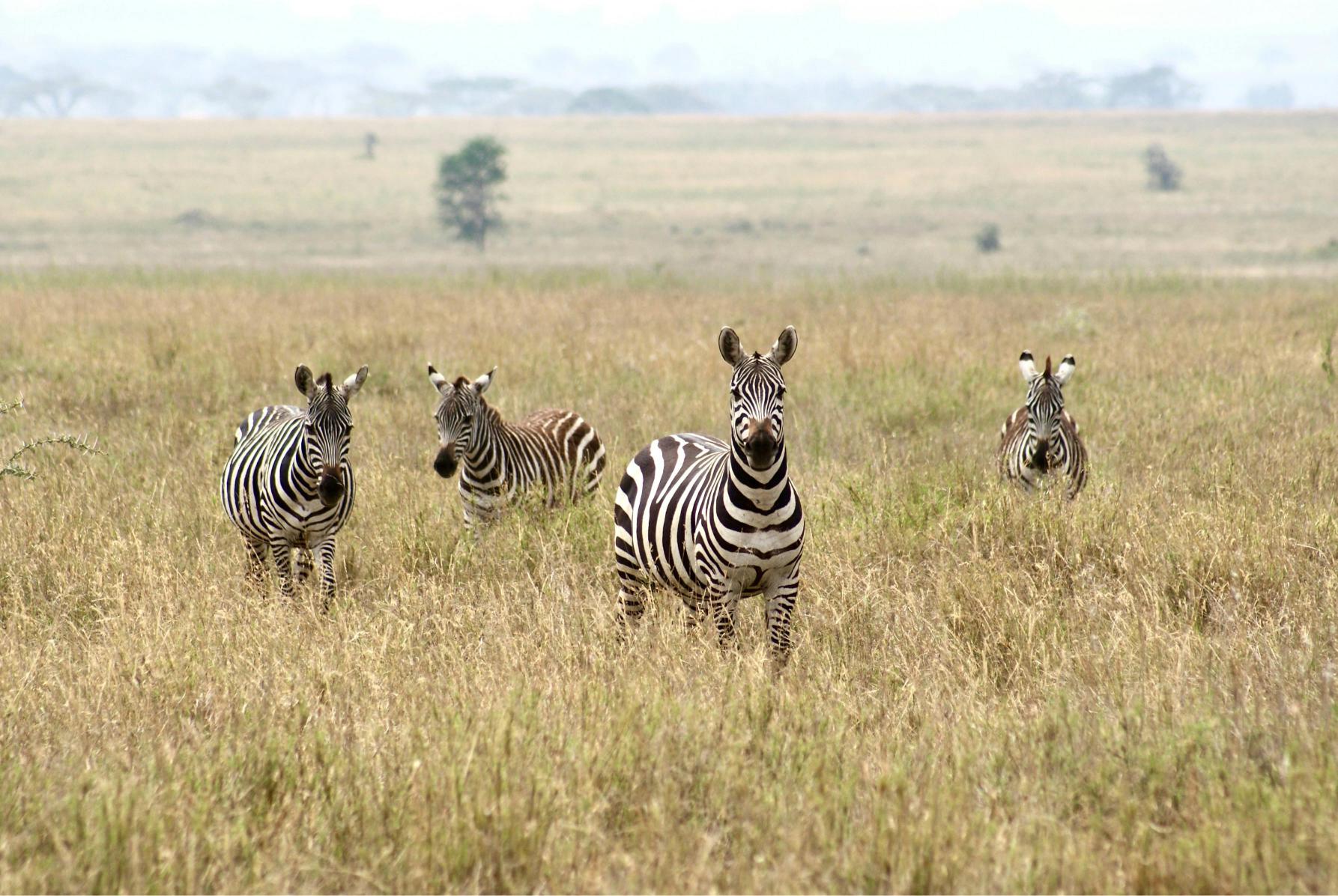
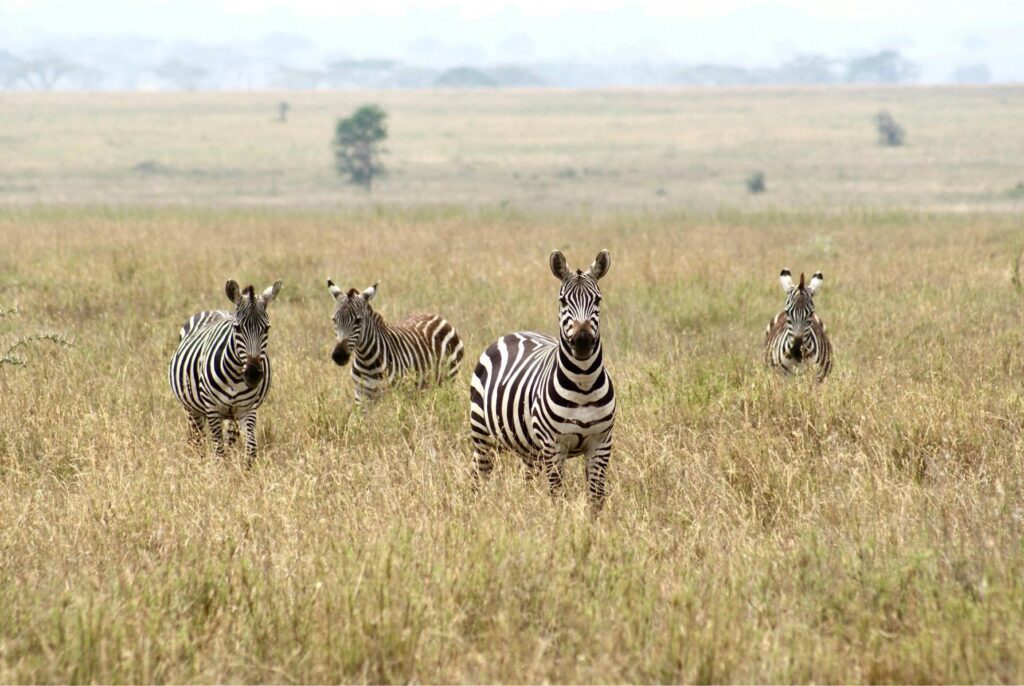
In countries like Tanzania and Kenya, July marks the start of the Great Migration river crossings, where millions of wildebeest and zebras move across dangerous rivers filled with predators. According to National Geographic, this migration is one of the most dramatic wildlife spectacles on Earth.
Additionally, malaria risk is lower in many regions during the dry season, and roads are easier to navigate, ensuring smoother safari logistics. Conservation organizations such as World Wildlife Fund emphasize that visiting during dry months also supports sustainable tourism when managed responsibly.
Top Destinations for Planning a Safari in July? Here’s Where to Go 2026, 2027 & 2028
1. Serengeti National Park, Tanzania
The Serengeti is the crown jewel of African safaris, especially in July when the Great Migration reaches dramatic river crossings. The vast plains offer incredible predator-prey interactions, and you will likely witness lions, cheetahs, and crocodiles in action.
For curated experiences, explore tailored safari packages at Relax Africa Safari, where expert guides ensure you are in the right place at the right time.
Research from IUCN highlights the Serengeti as one of the most important ecosystems for biodiversity conservation globally.
2. Maasai Mara National Reserve, Kenya
The Maasai Mara is directly connected to the Serengeti and offers equally thrilling migration experiences. July is when the herds begin entering Kenya, creating incredible viewing opportunities.
Scientific studies by Nature Research show that predator density in Maasai Mara is among the highest in Africa, increasing your chances of witnessing dramatic wildlife encounters.
3. Ngorongoro Crater, Tanzania
This UNESCO World Heritage Site offers year-round wildlife, but July provides clear skies and comfortable conditions. The crater floor is home to the Big Five, making it ideal for shorter safari trips.
Plan your visit seamlessly through Relax Africa Safari, which offers expertly guided crater tours.
According to UNESCO, the Ngorongoro ecosystem is one of the most intact volcanic calderas in the world.
4. Kruger National Park, South Africa
Kruger offers a different safari experience with excellent infrastructure and self-drive options. July provides dry landscapes and concentrated wildlife sightings.
Wildlife data from South African National Parks confirms that winter months like July are the best for spotting large mammals.
5. Okavango Delta, Botswana
The Okavango Delta floods during July, transforming it into a lush oasis teeming with wildlife. This unique ecosystem allows for boat safaris alongside traditional game drives.
Hydrological studies from NASA explain how seasonal flooding creates one of the richest inland deltas on Earth.
Wildlife You Can Expect to See in July
Planning a Safari in July? Here’s Where to Go 2026, 2027 & 2028 becomes even more exciting when you understand the variety of wildlife encounters waiting for you. July offers prime conditions to see the Big Five: lions, elephants, leopards, rhinos, and buffalo.
Additionally, migratory species dominate the landscape. Millions of wildebeest, zebras, and gazelles move across plains in search of fresh grazing lands. Predator sightings are frequent, as lions and hyenas follow these herds closely.
According to African Wildlife Foundation, the dry season significantly increases wildlife density near water sources, improving viewing success rates.
Safari Planning Tips for 2026, 2027 & 2028
Book Early
July is peak season, so accommodations and safari tours fill up quickly. Booking at least 8–12 months in advance ensures you secure the best lodges and guides.
Choose the Right Safari Type
Options include luxury safaris, budget camping, and private guided tours. If you want a seamless experience, consider packages offered by Relax Africa Safari, which handle everything from transport to accommodation.
Pack Smart
Temperatures can be chilly in the mornings and evenings, so layered clothing is essential. Neutral colors are recommended to blend into the environment.
Travel health guidance from CDC suggests vaccinations and preventive measures before visiting African safari destinations.
Costs and Budget Expectations
Safari costs vary widely depending on destination, accommodation, and level of luxury. On average, travelers can expect to spend between $250 and $1,000 per day per person.
Budget options are available, but premium experiences often provide better access to wildlife and expert guides. Economic reports from World Bank show that tourism plays a key role in supporting conservation and local communities.
Best Time to Book Flights and Accommodation
Flights should ideally be booked 6–10 months in advance to secure better prices. Flexible travel dates can help reduce costs.
Accommodation demand peaks in July, so early booking is crucial. You can explore curated packages through Relax Africa Safari to simplify your planning process.
Sustainable Safari Travel
Responsible tourism is essential for preserving Africa’s ecosystems. Choose operators that support conservation efforts and local communities.
Organizations like Conservation International and WWF Global emphasize eco-friendly travel practices to protect wildlife habitats.
Frequently Asked Questions (FAQs)
Is July a good time for a safari?
Yes, July is one of the best months due to dry weather and excellent wildlife visibility.
Which country is best for a July safari?
Tanzania and Kenya are top choices due to the Great Migration.
Is safari expensive in July?
Prices are higher due to peak season, but early booking can help manage costs.
What should I pack for a July safari?
Pack layered clothing, binoculars, sunscreen, and a good camera.
How long should a safari last?
7–10 days is ideal to experience multiple parks and wildlife diversity.
Can I customize my safari?
Yes, many providers like Relax Africa Safari offer personalized itineraries.
Conclusion
Planning a Safari in July? Here’s Where to Go 2026, 2027 & 2028 is your gateway to one of the most extraordinary travel experiences in the world. From the dramatic Great Migration to serene landscapes filled with wildlife, July offers unmatched safari opportunities.
With proper planning, early booking, and the right travel partner, your African safari can be seamless, exciting, and deeply rewarding. Take the first step today and start preparing for an adventure that will stay with you forever.