
Safari animals in Africa: 17 iconic species and where to see them is more than just a travel topic—it’s a doorway into one of the most breathtaking natural experiences on Earth. Across the vast savannas, dense forests, and shimmering wetlands of Africa, wildlife thrives in ways that feel almost timeless. From powerful predators to gentle giants, each species plays a vital role in the continent’s ecosystem, creating a living story that continues to captivate travelers from around the world.
African safaris are not simply about spotting animals; they are about witnessing raw nature, understanding conservation, and connecting with landscapes that stretch beyond the horizon. If you are planning your adventure, platforms like Relax Africa Safari offer curated experiences that bring you closer to these incredible moments.
Why African Safaris Are So Special
African safaris stand apart because they combine biodiversity, culture, and conservation into one seamless journey. The continent hosts some of the richest ecosystems on the planet, where animals roam freely in protected reserves and national parks. Organizations like World Wildlife Fund and IUCN emphasize the importance of these habitats for global biodiversity.
Unlike zoos or controlled environments, safaris allow you to see animals behaving naturally—hunting, migrating, and interacting within their social groups. This authenticity is what makes every safari unique. Whether you explore the Serengeti or the Okavango Delta, each destination offers its own rhythm of life.
Safari animals in Africa: 17 iconic species and where to see them
1. African Lion
The African lion symbolizes strength and pride. Found in places like the Serengeti and Maasai Mara, lions are often seen resting during the day and becoming active at dusk. Conservation groups such as Lion Recovery Fund work tirelessly to protect their populations.
2. African Elephant
Elephants are the largest land animals and are best seen in Botswana’s Chobe National Park or Kenya’s Amboseli. Research from ElephantVoices highlights their complex communication and emotional intelligence.
3. Leopard
Elusive and graceful, leopards are often spotted in South Africa’s Kruger National Park. Their ability to climb trees and move silently makes them fascinating predators.
4. Rhinoceros
Both black and white rhinos face threats from poaching. Protected reserves in Namibia and South Africa offer the best chances to see them. Efforts by Save the Rhino are crucial for their survival.
5. Cape Buffalo
Known for their unpredictable nature, buffalo are found in large herds across East and Southern Africa. They are one of the “Big Five” animals sought by safari-goers.
6. Cheetah
The fastest land animal thrives in open plains like the Maasai Mara. Organizations such as Cheetah Conservation Fund focus on preserving their habitats.
7. Giraffe
With their long necks and gentle behavior, giraffes are easily recognizable. They are commonly seen in Tanzania and Kenya.
8. Zebra
Zebras are famous for their striped patterns and are often seen migrating alongside wildebeest. Learn more from National Geographic.
9. Hippopotamus
Hippos spend most of their time in water and are best viewed in rivers and lakes across Africa.
10. Nile Crocodile
These powerful reptiles dominate rivers like the Nile and Mara River. Their hunting strategy is both patient and deadly.
11. Wildebeest
The Great Migration, one of nature’s greatest spectacles, features millions of wildebeest crossing plains and rivers.
12. Hyena
Often misunderstood, hyenas are intelligent and social animals. Research from Smithsonian Institution reveals their complex hierarchy.
13. African Wild Dog
These endangered predators are known for their teamwork and efficiency in hunting.
14. Gorilla
Mountain gorillas are found in Uganda and Rwanda. Conservation efforts by Dian Fossey Gorilla Fund have helped stabilize their numbers.
15. Chimpanzee
Chimpanzees share many traits with humans and are best seen in Tanzania’s Gombe National Park.
16. Flamingo
Large flocks of flamingos create stunning pink landscapes in lakes like Nakuru.
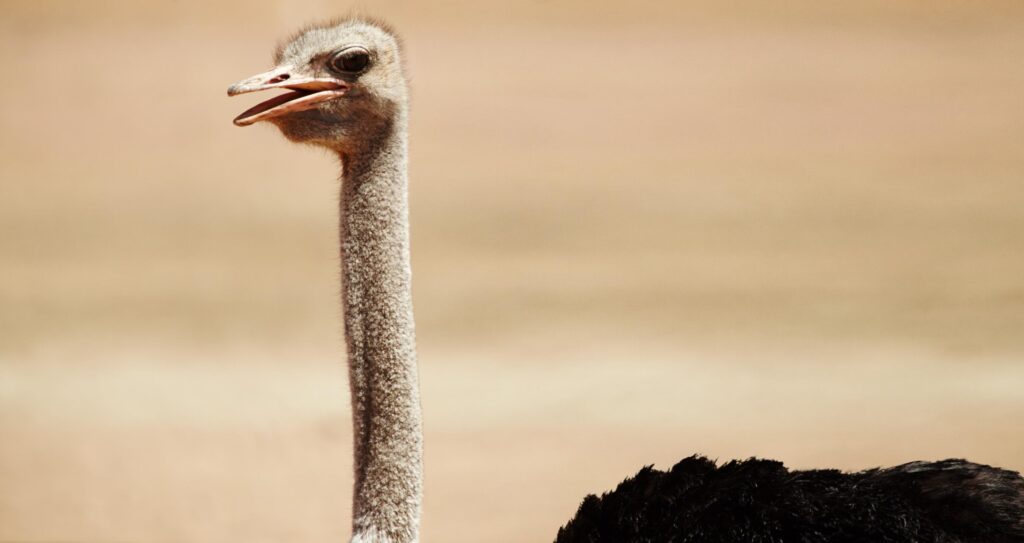
17. Ostrich
The world’s largest bird roams open savannas and deserts, known for its speed and size.
Best Destinations to See These Animals
Africa offers countless safari destinations, but some stand out for their wildlife density and accessibility. The Serengeti in Tanzania is famous for the Great Migration, while Kenya’s Maasai Mara provides excellent opportunities to spot the Big Five. Botswana’s Okavango Delta offers a unique water-based safari experience, and South Africa’s Kruger National Park is known for its well-developed infrastructure.
If you are planning your journey, consider exploring Tanzania safaris or Kenya safari packages for a seamless experience tailored to your needs.
Conservation and Responsible Tourism
Wildlife conservation is essential to ensure future generations can enjoy these species. Organizations like African Wildlife Foundation and Conservation International work to protect habitats and promote sustainable tourism.
Travelers can contribute by choosing ethical safari operators, respecting wildlife, and supporting conservation initiatives. Booking through trusted providers such as Relax Africa Safari ensures your trip supports local communities and conservation efforts.
Tips for an Unforgettable Safari Experience
Planning is key to making the most of your safari. Choose the right season, pack appropriately, and listen to your guide’s instructions. Early morning and late afternoon game drives offer the best chances to see active wildlife.
For more travel insights, visit Lonely Planet or Encyclopedia Britannica to deepen your understanding of African ecosystems.
FAQs
What is the best time to see safari animals in Africa?
The dry season is generally the best time, as animals gather around water sources, making them easier to spot.
Which country is best for a first safari?
Kenya and Tanzania are excellent choices due to their accessibility and diverse wildlife.
Are safaris safe?
Yes, when guided by professionals and following safety instructions, safaris are very safe experiences.
How long should a safari last?
A typical safari lasts between 5 to 10 days, depending on your itinerary.
What should I pack for a safari?
Light clothing, binoculars, sunscreen, and a camera are essential items.
Can I combine safari with beach holidays?
Yes, many travelers combine safaris with destinations like Zanzibar for a complete experience.
Conclusion
Safari animals in Africa: 17 iconic species and where to see them offers a glimpse into a world where nature reigns supreme. Each animal, each landscape, and each moment contributes to an unforgettable journey that stays with you long after you leave. By choosing responsible travel and supporting conservation, you become part of a larger story—one that protects and celebrates Africa’s incredible wildlife heritage.
Start planning your adventure today with expert safari planners and experience the magic firsthand.