
Serengeti Great Migration Month-by-Month Guide (2026,2027,2028) : The Serengeti National Park is not just a destination; it’s a dreamscape where nature performs its grandest show. Stretching over 14,000 square kilometers of golden plains, acacia-dotted savannahs, and untamed wilderness, the Serengeti is Africa’s beating heart, raw, wild, and endlessly alive.
Whether you’re drawn by the Great Migration, the stillness of dawn over the grasslands, or the regal presence of the Big Five, this 2026 Serengeti Guide will help you plan your perfect safari adventure, one that captures both the beauty and the rhythm of the wild.
Serengeti Great Migration Month-by-Month Guide (2026,2027,2028) : Overview of Serengeti National Park
The Serengeti, a UNESCO World Heritage Site in northern Tanzania, is home to 500 bird species and more than 70 large animal species. It connects to the Masai Mara in Kenya and the Ngorongoro Crater, becoming part of Africa’s most famous environment. The Serengeti provides the ideal balance of luxury, adventure, and intimacy with nature for tourists organizing Tanzania Safari Packages from Dubai or the UAE. It is frequently combined with Mount Kilimanjaro or Zanzibar for a whole East African experience.
2. Best Time to Visit the Serengeti
The Serengeti is a year-round destination, but timing your visit depends on what you want to see:
January–March: Calving season in Ndutu, perfect for predator action.
June–July: The Great Migration river crossings begin, one of nature’s most dramatic spectacles.
August–October: Prime game-viewing in northern Serengeti.
November–December: Green season with fewer crowds and beautiful landscapes.
(For a detailed cost breakdown, see our Safari Cost Guide)
3. What Animals to See in Serengeti in July
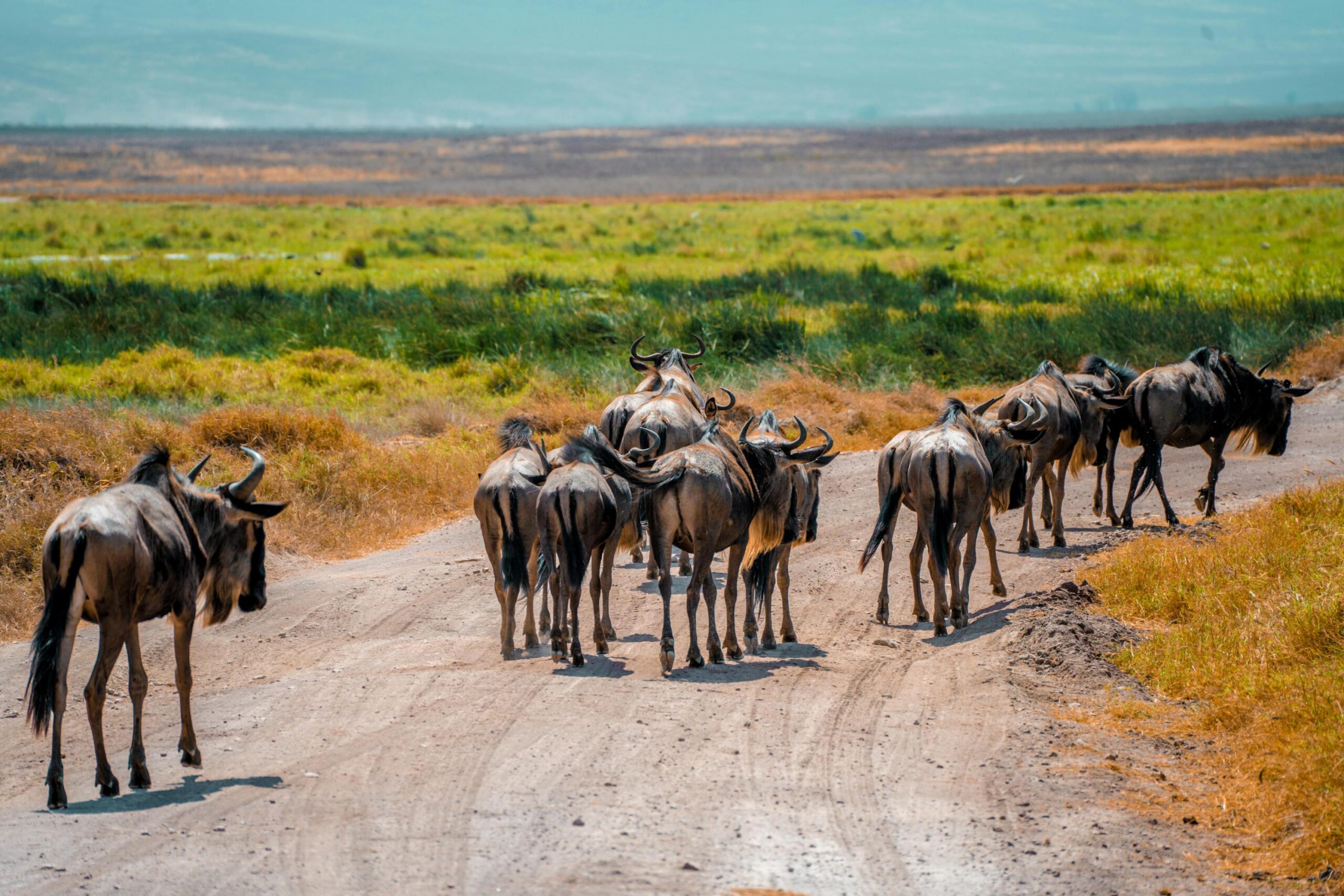
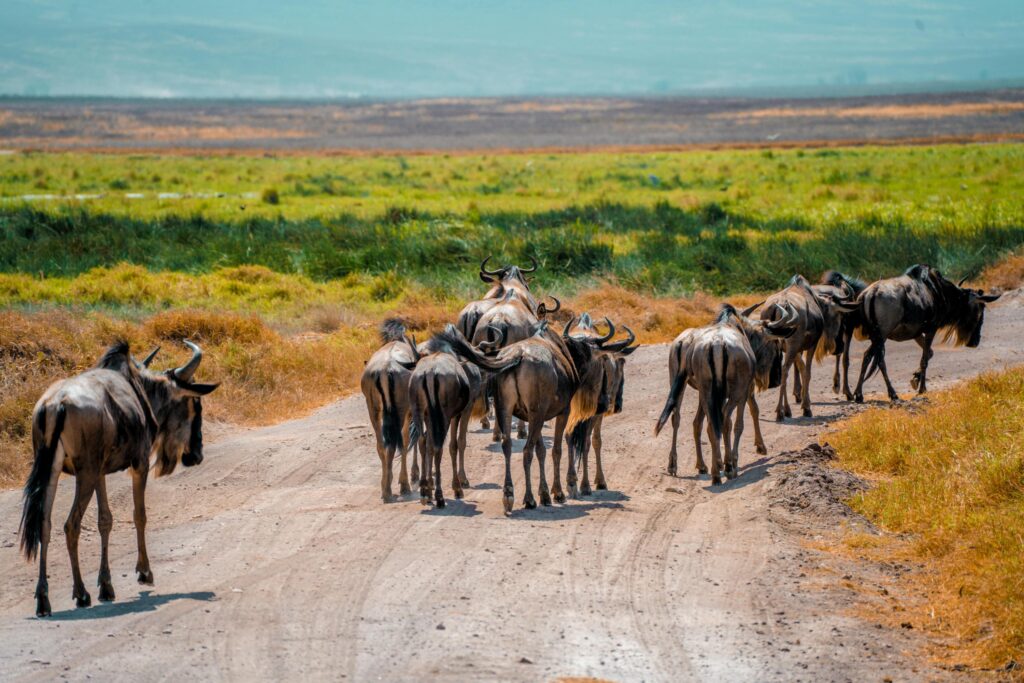
July is pure magic. The plains echo with the pounding hooves of wildebeest, zebras, and gazelles, over a million strong, as they surge northward toward the Mara River. Here, one of nature’s most dramatic moments unfolds: herds risk crocodile-filled waters in their quest for greener lands.
Beyond the migration, July’s dry season offers incredible clarity for spotting the Big Five, lions stalking prey through golden grass, leopards draped over acacia branches, elephants moving in stately herds, and rhinos grazing in the distance. With crisp skies and golden sunsets, every moment feels like a scene from a documentary — but it’s happening right before your eyes.
Serengeti Great Migration Month-by-Month Guide (2026,2027,2028) : Here are some of the finest lodges offering front-row seats to the migration:
Sayari Camp by Asilia
Serengeti Bushtops Camp
Lemala Kuria Hills Lodge
Kubu Kubu Tented Lodge
Melia Serengeti Lodge
(See our Packing Checklist for what to bring on your luxury safari.)
5. Serengeti 2026 Month-by-Month Calendar
The Serengeti isn’t just a destination, it’s a living calendar of natural drama and renewal.
January–February: Calving season in the south lush grasslands, newborn calves, and prowling predators.
March–April: Quiet and green, moody skies, serene solitude, and abundant wildlife.
May–June: Northward migration through the Western Corridor, river crossings and cooler weather.
July–August: Peak migration in the north, dramatic river crossings and predator action.
September–October: Golden serenity, fewer crowds, big cats, and breathtaking sunsets.
November: The short rains return, rejuvenating the land and skies alive with birds.
December: Back to the south, the circle of life begins anew.
The Serengeti doesn’t just show you wildlife, it reminds you what it means to feel alive. Every sunrise paints the sky in gold, every roar echoes the pulse of the earth, and every sunset leaves you humbled by the beauty of the wild.
Serengeti Great Migration Month-by-Month Guide (2026,2027,2028) : FAQs
Q1. How many days are ideal for a Serengeti safari?
A: 4–6 days offer a balanced experience of game drives, relaxation, and migration viewing.
Q2. Which part of the Serengeti is best for the migration?
A: Northern Serengeti (July–October) near the Mara River.
Q3. Is Serengeti safe for tourists in 2026?
A: Yes, it’s among the safest wildlife reserves, with professional guides and strict park security.
Q4. Can Serengeti safaris be combined with Tanzania Mount Kilimanjaro climbs?
A: Absolutely. Many travelers combine the two for a complete adventure.
Q5. What’s the difference between Serengeti and Masai Mara?
A: Serengeti is larger and offers more diverse landscapes; the Mara is part of the same ecosystem across Kenya’s border.
If you’re planning your 2026 African safari, make it a journey through the Serengeti, where adventure, peace, and wonder converge into a story you’ll never forget when you book with Relax Africa Safari.