

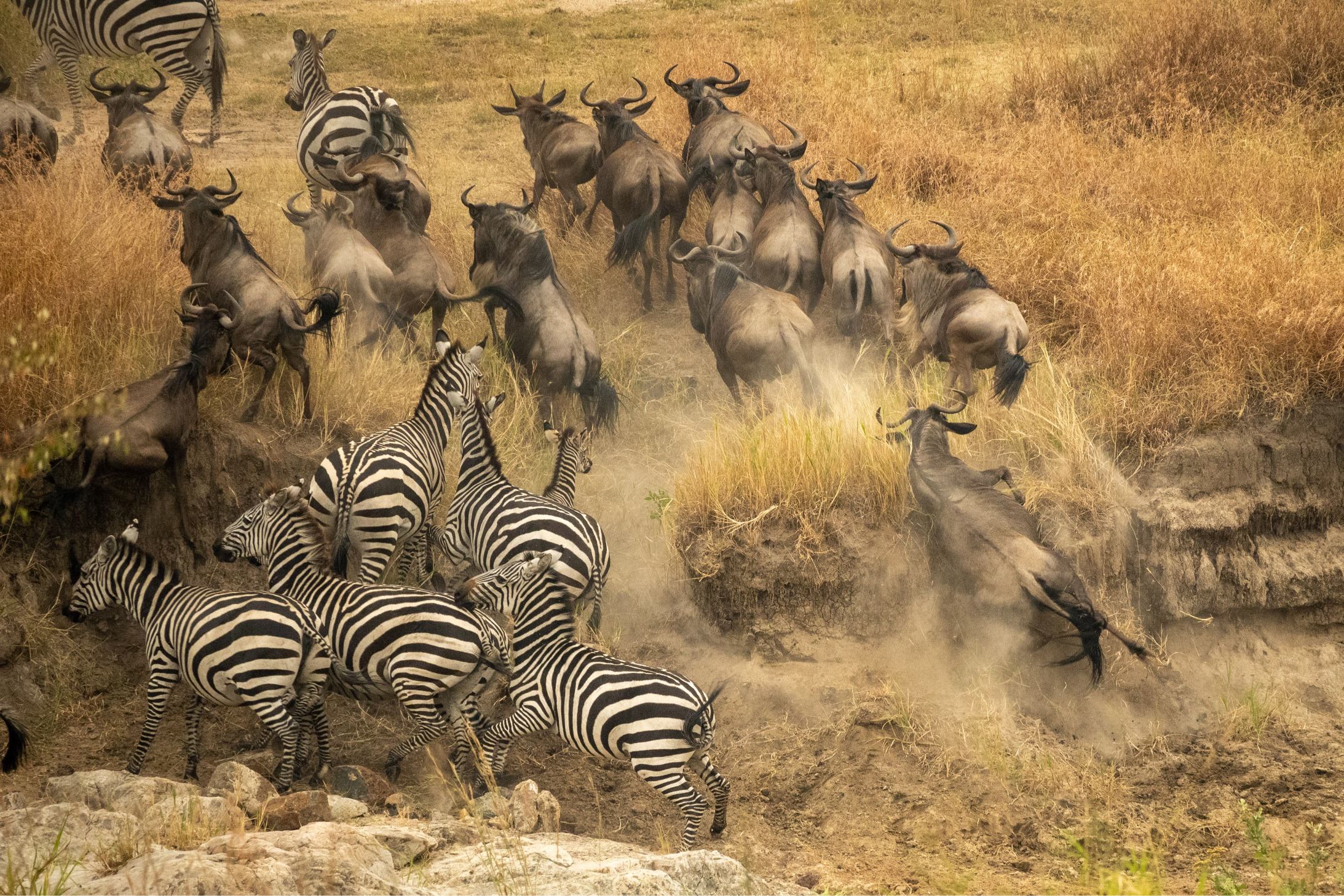
Serengeti Migration Guide – Where and When to See It 2026,2027,2028
Serengeti Migration Guide – Where and When to See It 2026,2027,2028 is your complete roadmap to experiencing one of the most breathtaking wildlife spectacles on Earth. Each year, over two million wildebeest, zebras, and gazelles move across the Serengeti-Mara ecosystem in search of fresh grazing, creating a natural event that feels almost unreal. Planning your safari around this movement can be the difference between a good trip and a truly unforgettable one.
This guide breaks everything down in a clear and simple way—where to go, when to travel, and how to maximize your chances of witnessing dramatic river crossings, calving season, and predator action. If you’ve been dreaming about Africa, this is where it starts.
Understanding the Great Migration in Simple Terms
The Great Migration is not a single event but a continuous, year-round cycle. Animals follow rainfall patterns, moving in a circular route through Tanzania’s Serengeti National Park and Kenya’s Maasai Mara. Timing your visit requires understanding this natural rhythm rather than relying on fixed dates.
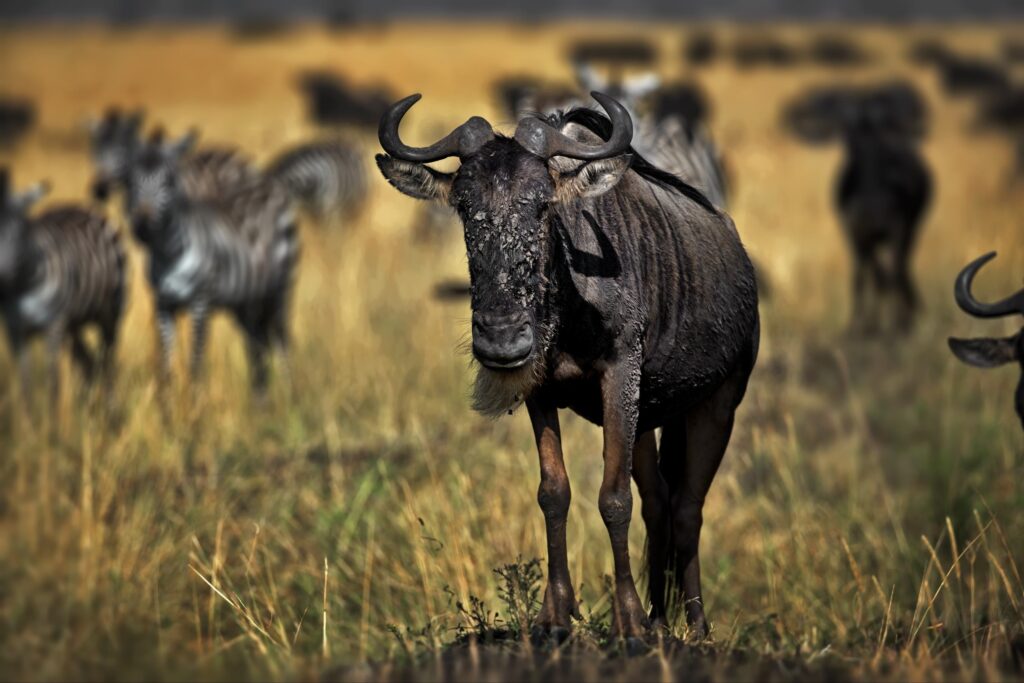
Wildebeest lead the movement, followed closely by zebras and antelope. Predators such as lions, cheetahs, and crocodiles track them, making this journey one of survival and instinct. Research organizations like National Geographic and World Wildlife Fund have extensively studied these patterns, confirming that weather shifts can slightly alter timing each year.
Serengeti Migration Guide – Where and When to See It 2026,2027,2028 by Month
January to March: Calving Season in Southern Serengeti
This is one of the most emotional and rewarding times to visit. Around Ndutu and the southern plains, thousands of calves are born daily. The abundance of newborns attracts predators, creating intense wildlife encounters. Conservation insights from IUCN highlight how crucial this season is for population sustainability.
If you want to explore guided safaris during this time, you can check tailored experiences on Relax Africa Safari to ensure you’re positioned in the best locations.
April to May: The Green Season Journey Begins
Rainfall transforms the Serengeti into a lush paradise. The herds begin moving northwest, and although the terrain can be muddy, the scenery is unmatched. Fewer tourists mean a more intimate experience. According to UNEP, this period supports biodiversity regeneration across the ecosystem.
June to July: Grumeti River Crossings
By mid-year, herds reach the western corridor, facing the Grumeti River. These crossings are dramatic but less crowded than those in the north. Scientific observations from Smithsonian Institution note that predator density increases significantly during this phase.
Planning your safari through experienced local operators ensures you catch these moments without missing key locations.
August to October: Mara River Crossings
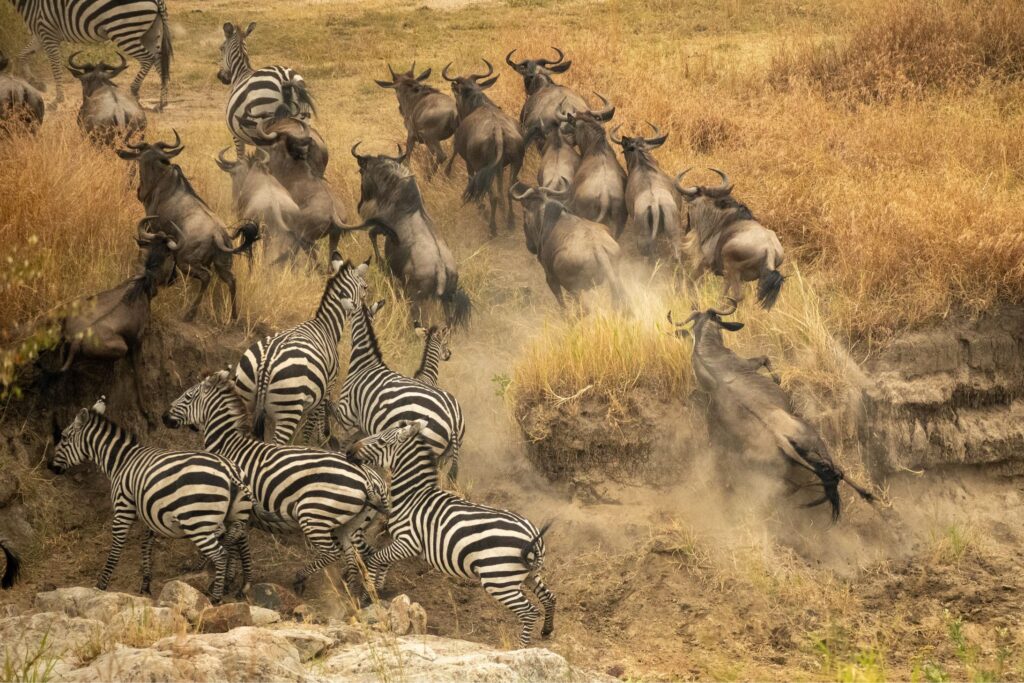
This is the most famous phase of the migration. Massive herds gather at the Mara River, hesitating before plunging into crocodile-filled waters. It’s raw, powerful, and unforgettable. Organizations like African Wildlife Foundation emphasize the importance of preserving these corridors for future generations.
November to December: Return to Southern Plains
As rains return, the herds head south again, completing the cycle. This is a quieter time with fewer crowds and beautiful landscapes. Studies from Nature Journal highlight how rainfall triggers this movement almost like clockwork.
Best Locations to Witness the Migration
Southern Serengeti (Ndutu Region)
Ideal for calving season, this region offers open plains perfect for photography and predator sightings. Data from Zoological Society of London shows high predator-prey interaction here.
Western Corridor
Known for Grumeti crossings, this area provides a quieter alternative to the north. It’s perfect for travelers who prefer fewer crowds.
Northern Serengeti
The Mara River crossings dominate this region. It’s remote, exclusive, and delivers some of the most dramatic wildlife scenes on Earth.
For personalized itineraries covering these regions, visit this safari planning resource to match your travel goals with expert guidance.
Why Timing Matters More Than Anything
Unlike typical travel destinations, the Serengeti doesn’t follow a strict calendar. Weather changes can shift migration patterns by weeks. Reports from NOAA and NASA Climate show how rainfall variability directly impacts herd movement.
This means flexibility is key. Booking with experienced safari planners increases your chances of being in the right place at the right time.
How to Plan the Perfect Migration Safari
Choose the Right Duration
A minimum of 5–7 days is recommended to track the herds effectively. Longer stays allow flexibility in case of movement shifts.
Select Strategic Camps
Mobile camps follow the migration, offering front-row access. Research from University of Cambridge supports the idea that proximity increases wildlife encounter rates significantly.
Work with Local Experts
Local guides understand animal behavior and terrain better than anyone. Booking through trusted safari specialists ensures a smoother experience.
Wildlife You’ll Encounter Beyond the Migration
While the migration is the highlight, the Serengeti is home to the Big Five—lion, elephant, buffalo, leopard, and rhino. Conservation efforts by Panthera and Save the Rhino have helped protect these iconic species.
Birdlife is also exceptional, with over 500 species recorded. According to BirdLife International, the Serengeti is one of Africa’s top birding destinations.
Practical Travel Tips for First-Time Visitors
Pack neutral-colored clothing, bring binoculars, and prepare for early morning game drives. Health organizations like WHO recommend vaccinations and travel insurance before visiting East Africa.
Flights typically connect through major hubs, and internal flights save time between parks. For seamless arrangements, explore options on professional safari platforms.
Frequently Asked Questions (FAQs)
When is the best time to see river crossings?
August to October offers the highest chance, especially in the northern Serengeti.
Is the migration guaranteed?
No, it’s a natural event influenced by rainfall, but proper planning increases your chances.
How expensive is a migration safari?
Prices vary widely depending on accommodation and season, ranging from mid-range to luxury experiences.
Can I see the migration in one location?
No, it moves continuously, so selecting the right region for your travel dates is crucial.
Is it safe to visit the Serengeti?
Yes, with proper guidance and adherence to park rules, it is considered very safe.
Do I need a guide?
Yes, guides enhance safety and ensure you don’t miss key wildlife moments.
Conclusion: Make Your Safari Count
Serengeti Migration Guide – Where and When to See It 2026,2027,2028 gives you everything needed to plan a meaningful journey into one of nature’s greatest events. The key is timing, preparation, and choosing the right partners to guide your experience.
If you’re ready to turn this dream into reality, start planning early and align your travel dates with migration patterns. With the right approach, your safari won’t just be a trip—it will be a story you’ll carry for life.