

Serengeti National Park Travel Guide for 2026–2028 begins with understanding why this iconic landscape continues to capture the imagination of travelers, wildlife lovers, researchers, and conservationists across the world. Located in northern Tanzania, Serengeti National Park remains one of the most remarkable ecosystems on Earth, famous for its sweeping plains, extraordinary biodiversity, and the awe-inspiring annual migration of millions of wildebeest and zebra. Planning a journey here between 2026 and 2028 requires thoughtful preparation, timing, and reliable local guidance, especially as conservation policies evolve and visitor interest continues to grow.
The park spans nearly 15,000 square kilometers and forms part of a broader ecosystem that stretches into Kenya’s Maasai Mara. According to research shared by IUCN, this ecosystem represents one of the last intact large-scale wildlife migration systems globally. Conservation bodies such as World Wildlife Fund and National Geographic Society often highlight Serengeti as a model for balancing tourism and biodiversity protection. Travelers who approach the experience with respect for nature and culture will find that the Serengeti offers not only unforgettable wildlife encounters but also meaningful learning opportunities.
Why Visit Serengeti Between 2026 and 2028
Traveling between 2026 and 2028 presents a particularly exciting window for exploring Serengeti National Park. Conservation initiatives led by organizations such as Wildlife Conservation Society and African Parks are expected to strengthen ecosystem protection while enhancing visitor infrastructure. This means better managed roads, improved ranger systems, and continued investment in community-based tourism programs supported by groups like African Wildlife Foundation.
During these years, travelers can expect carefully managed visitor numbers designed to reduce environmental pressure while preserving exceptional viewing experiences. Booking with trusted local operators such as Relax Africa Safari helps ensure responsible travel planning aligned with conservation standards promoted by institutions like UNESCO. Visitors will discover that thoughtful planning leads to more rewarding encounters and supports local livelihoods in meaningful ways.
Understanding Serengeti’s Geography and Ecosystems
The Serengeti ecosystem consists of grasslands, riverine forests, acacia woodlands, and rocky kopjes scattered across endless plains. Scientific studies from Smithsonian Institution emphasize how this diversity supports over seventy large mammal species and more than five hundred bird species documented by groups like BirdLife International. The varied terrain also influences animal movement patterns, predator distribution, and seasonal grazing cycles.
Southern Serengeti features vast open plains where wildebeest calving occurs, while the western corridor contains river systems critical for migration crossings studied by researchers from University of Oxford. The northern Serengeti, near the Mara River, is known for dramatic migration crossings frequently analyzed by wildlife scientists associated with University of Cambridge. Understanding these regional differences helps travelers plan routes effectively and enriches their safari experience.
Wildlife Highlights in Serengeti National Park Travel Guide for 2026–2028
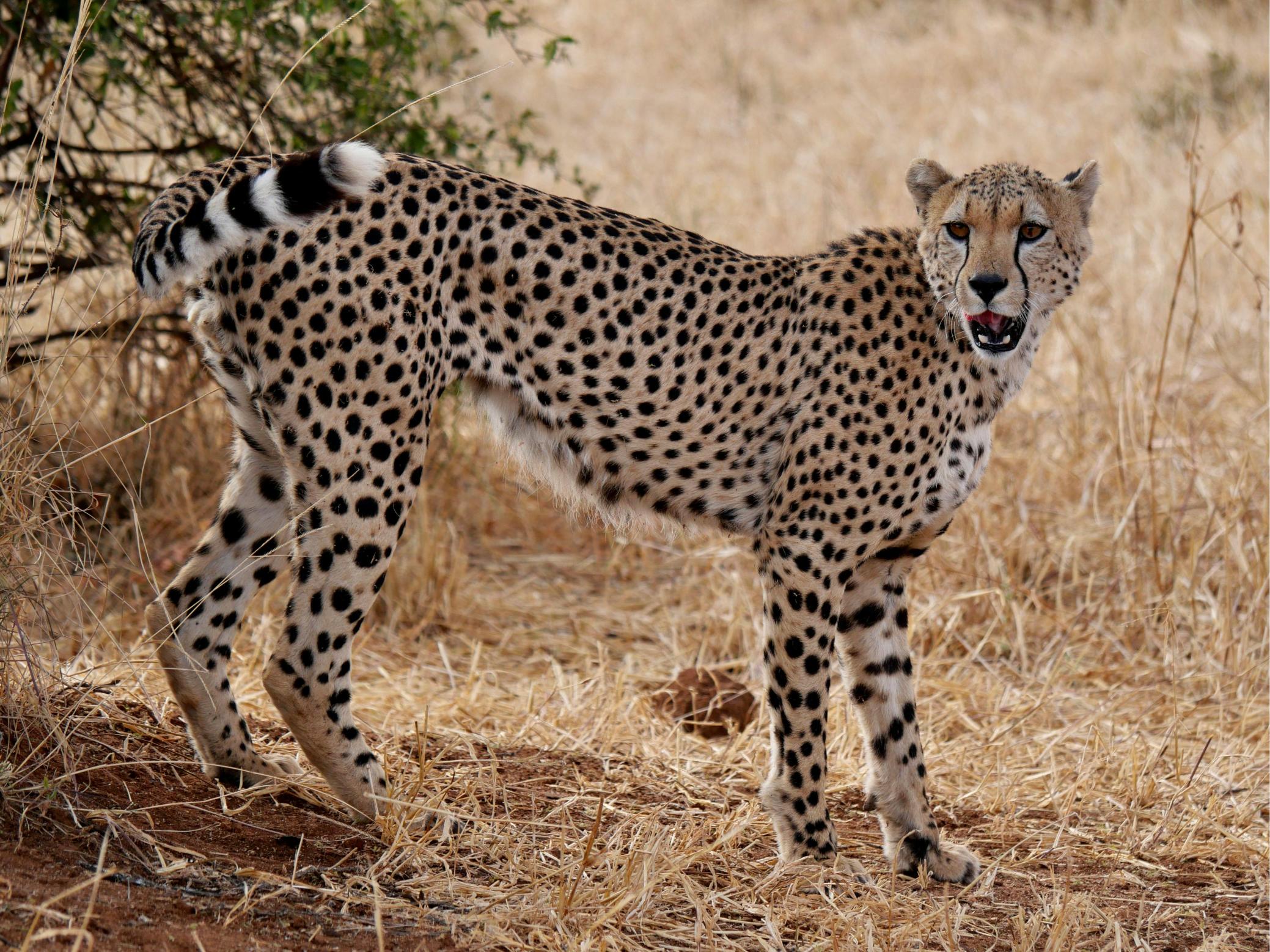
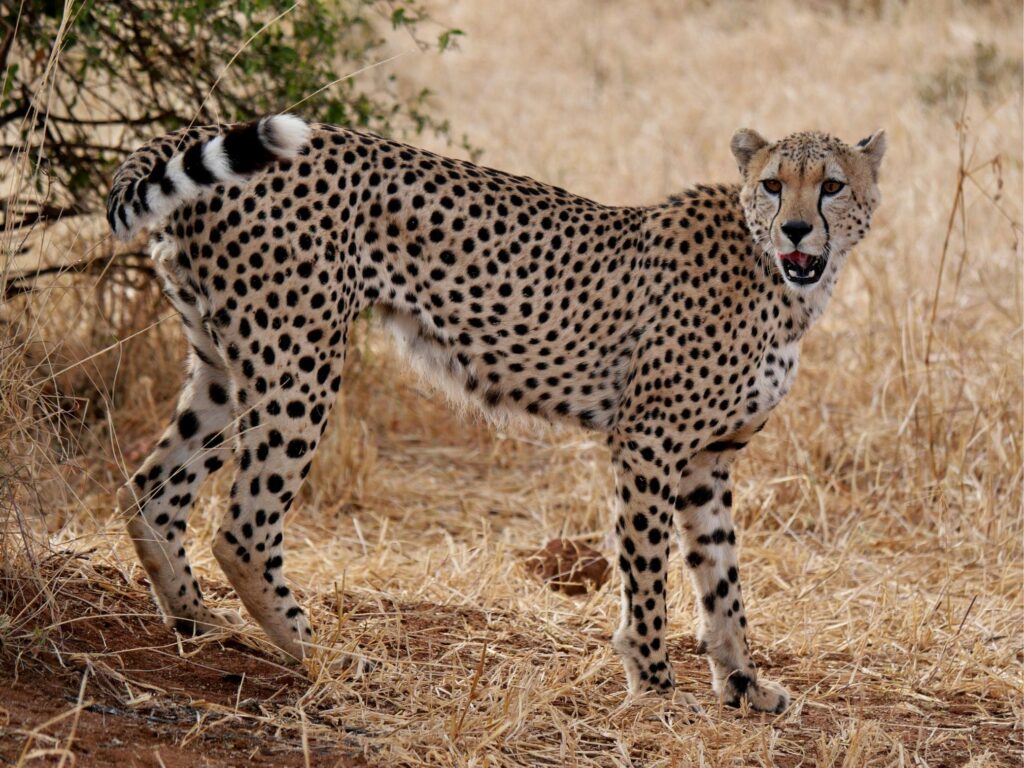
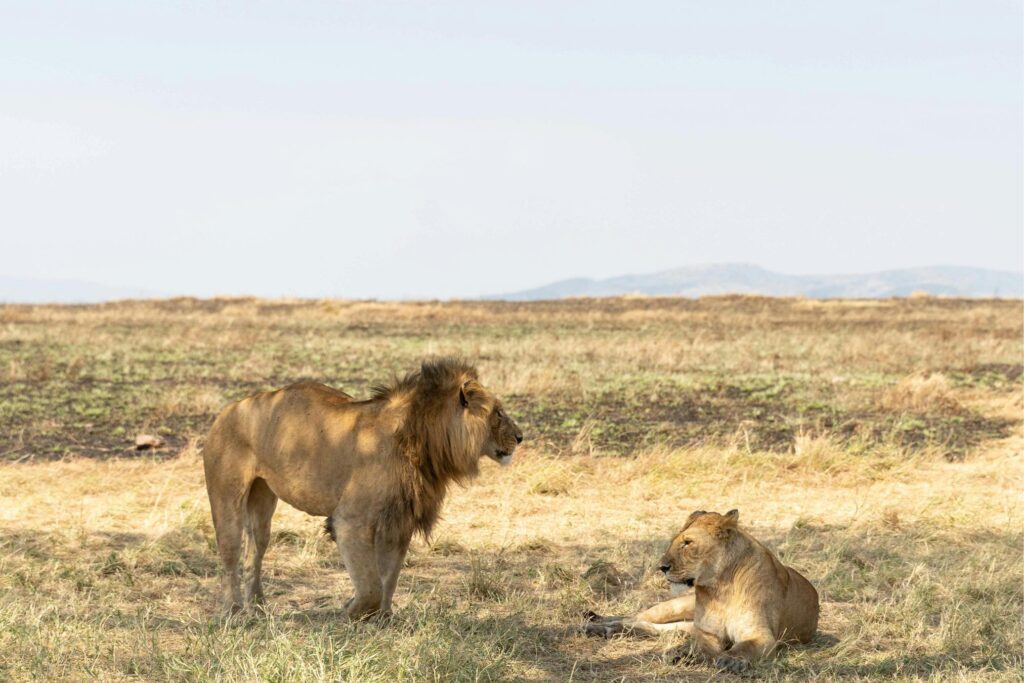
The Serengeti remains one of the best places in the world to see large predators in action. Lions, cheetahs, leopards, and hyenas dominate the food chain, and ongoing ecological monitoring supported by Panthera provides valuable insight into predator behavior and population health. Elephant populations are also increasing due to strengthened protection efforts endorsed by Save the Elephants.
Visitors between 2026 and 2028 can also expect thriving populations of giraffes, hippos, buffalo, crocodiles, and rare species like African wild dogs studied by Rufford Foundation. Bird enthusiasts often collaborate with guides trained through conservation education programs developed by Audubon Society, ensuring rewarding birdwatching opportunities across seasons.
The Great Migration Explained
The annual migration remains the Serengeti’s most famous natural phenomenon. According to field data shared by Frankfurt Zoological Society, more than 1.5 million wildebeest move cyclically in search of fresh grazing and water. Their journey shapes predator behavior, grassland health, and ecological balance.
Between December and March, calving season occurs in the southern plains. From April to June, herds move northwest through central Serengeti before dramatic river crossings between July and October in the north. Observing these movements with experienced guides from Relax Africa Safari enhances safety while deepening understanding of ecological processes documented by Nature Research.
Best Time to Visit Serengeti (2026–2028)
The Serengeti offers year-round wildlife viewing, yet seasonal differences shape each experience. Dry season months from June to October typically offer easier wildlife spotting due to sparse vegetation and concentrated water sources. Studies by NOAA highlight how rainfall patterns influence migration timing, making flexibility important.
Wet season travel between November and May provides lush landscapes, fewer crowds, and exceptional photography opportunities praised by conservation photographers associated with Royal Geographical Society. Working with experienced planners such as Relax Africa Safari helps travelers match timing with personal interests and expectations.
Where to Stay in Serengeti
Accommodation options range from luxury lodges to intimate tented camps strategically located near wildlife hotspots. Sustainable design increasingly shapes lodge construction, guided by environmental standards from UN Environment Programme. Many camps incorporate solar energy systems and waste reduction programs recommended by Conservation International.
Choosing accommodations through Relax Africa Safari ensures access to trusted partners who prioritize conservation and community engagement. These partnerships align with global sustainable tourism frameworks supported by Global Sustainable Tourism Council.
How to Get There and Move Around
Most travelers reach Serengeti via Kilimanjaro International Airport or Arusha Airport, followed by small charter flights or overland drives. Aviation safety standards from ICAO and infrastructure improvements overseen by World Bank continue to support regional accessibility.
Inside the park, game drives remain the primary method of exploration. Professional guides trained under programs associated with Tourism Concern help interpret wildlife behavior while prioritizing ethical viewing practices. Visitors traveling with Relax Africa Safari often benefit from customized routes designed around seasonal wildlife patterns.
Cultural Experiences Around Serengeti
Beyond wildlife, cultural engagement enriches any Serengeti visit. Communities such as the Maasai maintain strong traditions that attract anthropological interest from researchers at Harvard University. Ethical cultural tourism programs supported by UN World Tourism Organization emphasize respectful interaction and fair economic benefits.
Guided village visits organized responsibly through trusted operators like Relax Africa Safari foster cross-cultural understanding while supporting community-led development initiatives endorsed by Oxfam.
Responsible Travel and Conservation Ethics
Conservation ethics remain central to any Serengeti journey. Visitors are encouraged to follow principles recommended by organizations such as Lewa Wildlife Conservancy and Zoological Society of London. These include maintaining safe wildlife distances, minimizing plastic waste, and supporting conservation initiatives.
Responsible travelers recognize that tourism revenue funds anti-poaching patrols, research projects, and community education programs. Supporting operators who work with recognized conservation bodies strengthens these efforts and ensures the Serengeti remains protected for future generations.
Practical Travel Tips for 2026–2028
Planning ahead is essential for a seamless experience. Health recommendations from World Health Organization advise routine vaccinations and malaria prevention measures. Travelers should consult reliable sources such as Centers for Disease Control and Prevention before departure.
Packing essentials include neutral clothing, sun protection, binoculars, and reusable water bottles encouraged by sustainability campaigns from Greenpeace. Booking early with experienced planners such as Relax Africa Safari ensures availability during peak migration months.
Photography Opportunities in Serengeti
Photographers are drawn to Serengeti for its dramatic light, open landscapes, and extraordinary wildlife encounters. Workshops led by professionals affiliated with BBC Earth often emphasize patience and storytelling. Early morning and late afternoon drives provide the best lighting conditions.
Respectful photography practices recommended by International Fund for Animal Welfare encourage quiet observation and avoidance of disruptive behavior. Travelers seeking immersive photography safaris frequently rely on tailored itineraries organized through Relax Africa Safari.
Frequently Asked Questions
Is Serengeti safe for travelers between 2026 and 2028?
Yes, Serengeti remains one of Africa’s safest safari destinations when visited with licensed guides. Conservation agencies and park authorities continue strengthening safety systems.
How many days are ideal for exploring Serengeti?
Most travelers benefit from spending at least four to six days in different regions to experience diverse wildlife and landscapes fully.
Can families travel to Serengeti comfortably?
Many lodges welcome families and provide educational experiences aligned with conservation awareness initiatives promoted by research organizations.
Do I need a visa for Tanzania?
Visa requirements vary by nationality, and travelers should confirm details through official government channels before departure.
What currency is used in Serengeti?
The Tanzanian shilling is widely used, although US dollars are accepted in many lodges and camps.
How far in advance should I book?
Booking six to twelve months ahead is recommended, especially for migration season travel.
Conclusion
Serengeti National Park Travel Guide for 2026–2028 highlights why this extraordinary destination remains unmatched for wildlife viewing, cultural discovery, and environmental learning. With thoughtful planning, ethical travel choices, and expert guidance from trusted operators like Relax Africa Safari, visitors can experience the Serengeti in ways that feel deeply meaningful and genuinely unforgettable. Those who arrive with curiosity, patience, and respect for nature will discover a timeless landscape that continues to inspire wonder while reminding us of our responsibility to protect the natural world.