

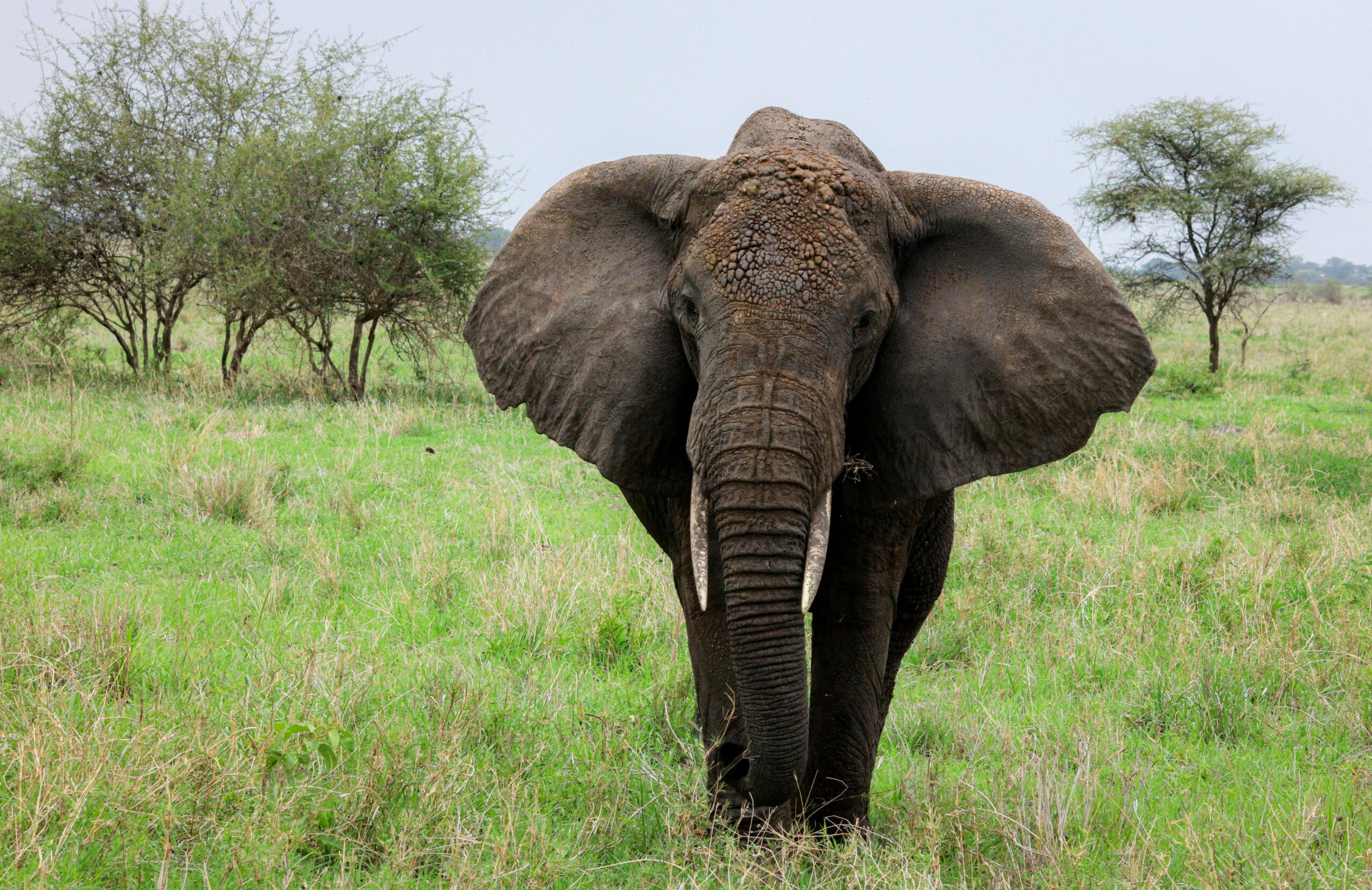
Tanzania National Parks rules 2026, 2027 and 2028 are evolving to protect wildlife, improve visitor safety, and ensure sustainable tourism across the country’s most iconic destinations. From the vast plains of Serengeti to the lush landscapes of Tarangire, these updated regulations are designed to balance conservation with unforgettable safari experiences. Understanding these rules before your journey will help you avoid penalties, travel responsibly, and make the most of your adventure in Tanzania.
Tanzania has long been a global leader in wildlife conservation, working alongside respected organizations such as IUCN, WWF, and National Geographic Society. The updated regulations reflect global conservation standards and local ecological priorities, ensuring that future generations can continue to experience these natural wonders.
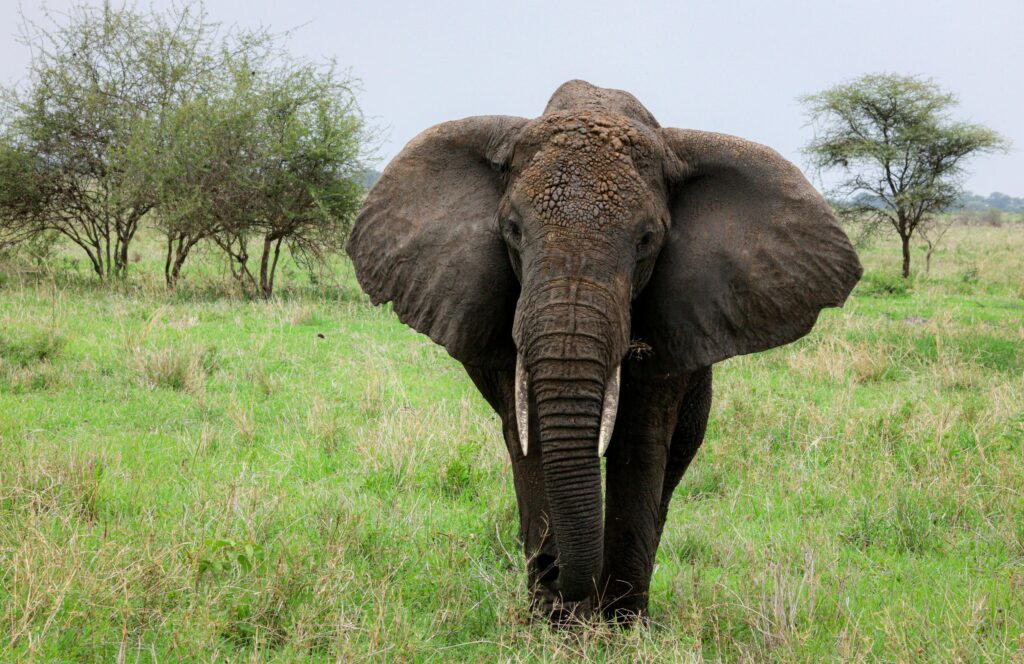
Tanzania National Parks rules 2026, 2027 and 2028: Why These Updates Matter
The changes introduced in the Tanzania National Parks rules 2026, 2027 and 2028 are not random adjustments but part of a long-term conservation strategy. Authorities, including Tanzania National Parks Authority, are focusing on reducing human impact while enhancing the quality of visitor experiences. This includes stricter enforcement of existing laws and the introduction of new guidelines to address rising tourism numbers.
Environmental research from institutions like Nature Research and UN Environment Programme shows that unmanaged tourism can harm ecosystems. Tanzania’s updated rules aim to prevent such damage while maintaining its reputation as one of Africa’s premier safari destinations.
Key Goals Behind the New Regulations
The primary goal is conservation. Protecting endangered species such as elephants, lions, and rhinos remains a top priority. Organizations like Save the Rhino and Panthera have influenced policy recommendations that shape these rules. Another major goal is visitor safety, ensuring that tourists can enjoy wildlife without unnecessary risks.
Updated Entry Requirements and Park Access
Visitors must now comply with stricter entry procedures. Digital permits are becoming standard, reducing paperwork and improving efficiency. According to guidance from World Bank tourism reports, digital systems help minimize corruption and improve transparency in park management.
Travelers booking through trusted operators like Relax Africa Safari will find the process smoother, as these companies handle permits and compliance requirements on behalf of guests.
New Visitor Limits
To reduce overcrowding, daily visitor caps are being enforced in sensitive areas such as Serengeti and Ngorongoro. Studies from ScienceDirect indicate that limiting visitor numbers significantly improves wildlife behavior and habitat preservation.
Wildlife Interaction Rules
The Tanzania National Parks rules 2026, 2027 and 2028 emphasize maintaining a safe distance from animals. Feeding wildlife, making loud noises, or attempting close contact is strictly prohibited. These measures align with recommendations from Fauna & Flora International and Conservation International.
Safari guides are now required to undergo enhanced training programs to ensure they enforce these rules effectively. Booking with experienced providers such as Serengeti safari experts ensures compliance with these updated standards.
Vehicle and Driving Regulations
Off-road driving is heavily restricted under the new guidelines. Vehicles must stay on designated tracks to prevent soil erosion and habitat destruction. Research from National Academies highlights how off-road driving disrupts ecosystems and damages vegetation.
Speed limits are also being strictly enforced, especially in wildlife-dense areas. These measures not only protect animals but also enhance the overall safari experience by reducing noise and disturbance.
Photography and Drone Usage
Photography remains a highlight of any safari, but drone usage is now tightly regulated. Visitors must obtain special permits before flying drones in national parks. This rule aligns with global aviation safety standards set by organizations such as ICAO.
Professional photographers working with operators like luxury safari providers can access designated photography zones that offer exceptional opportunities without disturbing wildlife.
Waste Management and Environmental Protection
The Tanzania National Parks rules 2026, 2027 and 2028 introduce stricter waste management policies. Plastic bags are banned, and visitors must carry reusable containers. These measures are supported by global environmental campaigns led by Greenpeace and Ellen MacArthur Foundation.
Littering carries heavy fines, and park authorities are increasing patrols to enforce compliance. Responsible tourism practices are essential to preserving Tanzania’s natural beauty.
Camping and Accommodation Guidelines
Camping regulations have been updated to ensure minimal environmental impact. Campsites must follow strict guidelines regarding waste disposal, noise levels, and fire safety. According to FAO, sustainable camping practices are crucial for protecting fragile ecosystems.
Travelers can explore eco-friendly accommodation options through Tanzania safari packages that prioritize sustainability and comfort.
Penalties and Enforcement
Fines and penalties for rule violations have increased significantly. Activities such as poaching, littering, or unauthorized entry can result in hefty fines or legal action. These stricter penalties are supported by international conservation frameworks promoted by CITES.
Enhanced surveillance systems, including ranger patrols and monitoring technology, are being implemented to ensure compliance.
Community Involvement and Local Impact
Local communities play a vital role in conservation efforts. The updated rules encourage community-based tourism initiatives, providing economic benefits while promoting environmental stewardship. Organizations like Oxfam and UN DESA emphasize the importance of community involvement in sustainable development.
Booking with responsible operators such as trusted safari companies ensures that your travel supports local communities.
Health and Safety Regulations
Health protocols have been strengthened, including guidelines for vaccinations and emergency response procedures. Recommendations from World Health Organization are integrated into these policies to ensure visitor safety.
Travel insurance is strongly recommended, and visitors should follow all health advisories before entering the parks.
Sustainable Tourism Practices
The Tanzania National Parks rules 2026, 2027 and 2028 promote sustainable tourism by encouraging eco-friendly travel choices. Visitors are advised to reduce their carbon footprint, support conservation programs, and respect local cultures. Insights from UNWTO highlight the growing importance of sustainable tourism worldwide.
How to Plan Your Visit Under the New Rules
Planning ahead is essential. Travelers should research park regulations, book through reliable operators, and prepare necessary documents. Platforms like Google can help you find updated travel information and guidelines.
Working with experienced providers such as professional safari planners ensures a smooth and compliant experience.

Frequently Asked Questions (FAQs)
1. What are the main changes in Tanzania National Parks rules 2026, 2027 and 2028?
The main changes include stricter visitor limits, enhanced wildlife protection measures, and improved digital permit systems.
2. Are drones allowed in national parks?
Drones require special permits and are restricted to designated areas to avoid disturbing wildlife.
3. Can I drive off-road during a safari?
No, off-road driving is prohibited except in designated zones to protect ecosystems.
4. What happens if I break park rules?
Violations can result in fines, expulsion from the park, or legal action depending on the severity.
5. Are plastic bags allowed?
No, plastic bags are banned, and visitors must use reusable alternatives.
6. How can I ensure compliance with the rules?
Booking with experienced safari operators and following guide instructions will help ensure compliance.
Conclusion
The Tanzania National Parks rules 2026, 2027 and 2028 represent a significant step forward in conservation and sustainable tourism. By understanding and respecting these regulations, travelers can enjoy a safe, responsible, and unforgettable safari experience. These rules not only protect wildlife but also ensure that Tanzania remains one of the world’s most remarkable travel destinations for generations to come.