
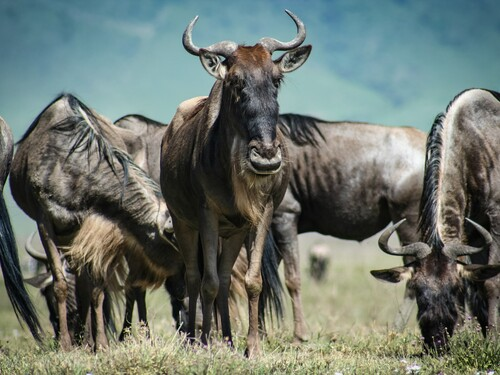
The Great Wildebeest Migration in Serengeti National Park is one of the most awe-inspiring natural spectacles on the planet. This annual event draws wildlife enthusiasts, photographers, and adventurers from around the world, eager to witness the dramatic and life-affirming journey of over two million wildebeest, zebras, and gazelles.
Imagine standing in the middle of the African wilderness as thousands of wildebeest move across endless golden plains, accompanied by zebras and gazelles. In the distance, predators watch closely, waiting for an opportunity. This is the Great Wildebeest Migration in Serengeti, one of the most extraordinary wildlife spectacles in the world.
Every year, more than a million wildebeest, together with hundreds of thousands of zebras and gazelles, move across the Serengeti–Mara ecosystem between Tanzania and Kenya. Their journey is driven by seasonal rainfall, fresh grazing and the search for water. It is a continuous cycle of survival that brings together dramatic wildlife encounters, beautiful landscapes and remarkable animal behaviour.
For travellers visiting Tanzania, witnessing the migration is an unforgettable safari experience. Whether you dream of seeing newborn wildebeest during the calving season or watching enormous herds approach a river crossing, understanding the migration’s seasonal movements will help you choose the right time and location for your safari.
What Is the Great Wildebeest Migration?
The Great Wildebeest Migration is the annual movement of large herds of wildebeest across the Serengeti–Mara ecosystem, which stretches across northern Tanzania and southwestern Kenya.
The migration includes approximately 1.3 million wildebeest in the migratory population, accompanied by large numbers of zebras and gazelles. These animals move in search of fresh grass and reliable water sources, following seasonal rainfall patterns across the ecosystem.
This journey is not simply about animals moving from one destination to another. It is an important natural process that supports the entire ecosystem. As the herds travel, they provide food for predators such as lions, cheetahs, leopards, hyenas and crocodiles. Their grazing also influences the grasslands and helps maintain the natural balance of the environment.
The Great Wildebeest Migration in Serengeti is therefore more than a wildlife attraction; it is a remarkable story of survival, adaptation and the connection between animals and nature.
Where Does the Great Wildebeest Migration Take Place?
The migration takes place across the Serengeti–Mara ecosystem, a vast natural landscape shared by Tanzania and Kenya.
In Tanzania, the main migration areas include the southern Serengeti plains, Ndutu, the central Serengeti, the Western Corridor and the northern Serengeti. In Kenya, the herds also move into the famous Maasai Mara National Reserve.
Each region offers a different experience depending on the season. The southern plains are particularly important during calving season, while the Western Corridor is associated with movement around the Grumeti River. Further north, the Mara River becomes an important obstacle during the dry-season migration.
It is important to understand that the migration does not follow national park boundaries. Animals move naturally across the wider ecosystem, including protected areas and conservation landscapes.
The Great Wildebeest Migration Throughout the Year
The migration follows a general seasonal pattern, although the exact location of the herds changes every year depending on rainfall and grazing conditions. Understanding this annual cycle is one of the most important steps when planning a Great Migration safari.
January to March: Calving Season in Southern Serengeti and Ndutu
During the beginning of the year, large herds gather across the southern Serengeti plains and the neighbouring Ndutu area within the Ngorongoro Conservation Area. The short-grass plains provide nutrient-rich grazing, making this an important breeding and calving region.
Thousands of wildebeest calves are born during this period, with the peak generally occurring around February. The arrival of newborn animals attracts predators, including lions, cheetahs, hyenas and leopards, creating excellent opportunities to observe natural wildlife behaviour.
This is one of the most rewarding periods for photographers and wildlife enthusiasts who want to witness the beginning of life on the African plains.
April to May: The Northward Movement
As the southern plains gradually become drier, the herds begin moving towards central and western Serengeti in search of fresh grazing. Large groups may travel across open grasslands, sometimes forming impressive columns that stretch across the landscape.
These months can bring beautiful green scenery, dramatic skies and fewer safari vehicles in some areas. Rainfall can affect road conditions, but travellers who enjoy photography and quieter safari experiences may find this period rewarding.
May to July: Western Serengeti and Grumeti River
As the migration continues towards the west and north, many herds move through the Western Corridor of Serengeti. The Grumeti River becomes an important feature of this stage of the journey.
Wildebeest must navigate riverbanks and water channels as they search for grazing areas on the other side. Crocodiles inhabit parts of the river, making some crossings particularly dramatic.
The timing and location of these crossings vary from year to year. The Western Corridor is therefore an interesting destination for travellers hoping to experience the migration before the herds move further north.
July to October: Northern Serengeti and Mara River Crossings
The northern Serengeti is particularly famous for the Great Wildebeest Migration during the dry season. Large herds move towards the Mara River and may cross between Tanzania and Kenya as they search for fresh grazing and water.
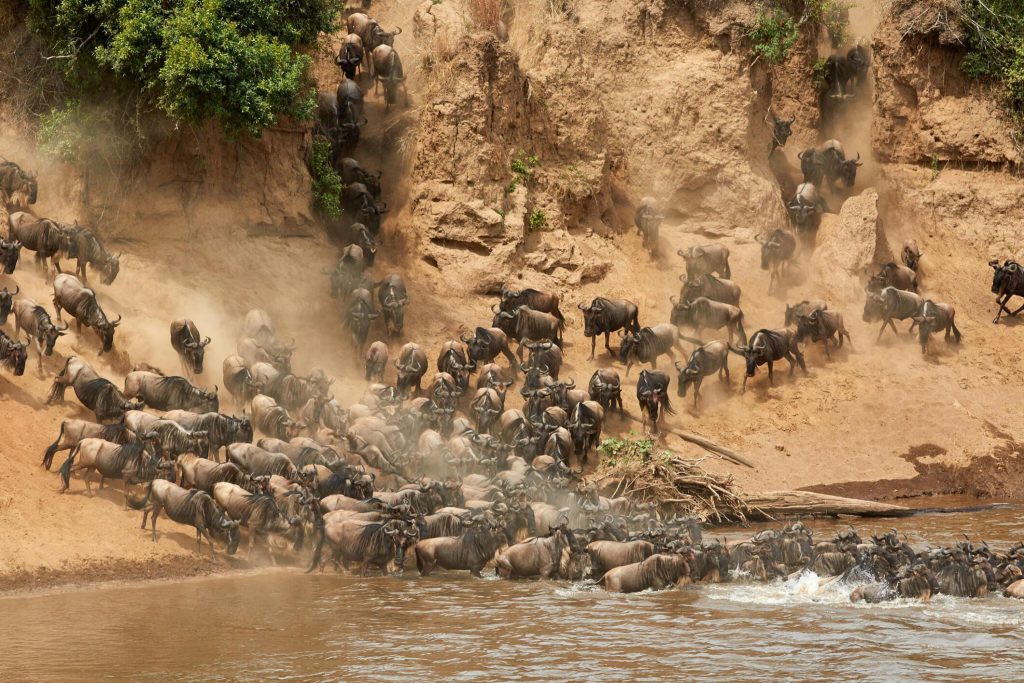
Mara River crossings are among the most recognised scenes of the migration. Wildebeest gather along the riverbanks, sometimes waiting for hours or days before attempting to cross. When they finally move, hundreds or even thousands may enter the water, facing strong currents, steep banks and crocodiles.
This is an exciting time to visit northern Serengeti, especially around Kogatende and the Lamai region. However, river crossings are natural events and cannot be guaranteed on a particular day.
November to December: The Return Towards Southern Serengeti
With the arrival of the short rains, fresh grass begins to develop across the eastern and southern parts of the ecosystem. The herds gradually move away from the northern regions and begin returning towards the southern plains.
This movement completes another stage of the annual migration cycle. By December, many herds are once again gathering in the southern Serengeti and surrounding areas, preparing for the next calving season.
The Two Famous River Crossings: Grumeti and Mara River
River crossings are among the most dramatic moments associated with the Great Wildebeest Migration. Although both rivers form important parts of the migration route, they offer different geographical settings and seasonal experiences.
Grumeti River Crossing
The Grumeti River is located in the Western Corridor of Serengeti National Park. It becomes particularly important as herds move westwards and northwards, generally around May to July.
The river is home to large Nile crocodiles and other aquatic wildlife. When wildebeest attempt to cross, the experience can be dramatic, with animals navigating the water and riverbanks as they continue their journey.
Mara River Crossing
The Mara River flows through northern Tanzania and Kenya, forming an important part of the northern migration route. It is especially associated with the dry-season movement from around July to October.
The Mara River crossings are famous for the large concentrations of wildebeest gathering along the riverbanks. Some crossings happen quickly, while others involve long periods of waiting as the herds assess the water before moving.
For travellers hoping to witness this spectacle, staying in northern Serengeti for several days can improve the opportunity to experience a crossing. Nevertheless, nature follows its own timing, and no safari operator can promise an exact crossing date.
Best Time to Witness the Great Wildebeest Migration in Serengeti
The best time depends on the wildlife experience you want to enjoy. The migration takes place throughout the year, but different months offer different highlights.
- January to March: Best for calving season in southern Serengeti and Ndutu, with opportunities to see newborn wildebeest and active predators.
- April to May: Suitable for seeing the herds moving through central and western Serengeti, with beautiful green landscapes.
- May to July: A good period to explore the Western Corridor and the Grumeti River migration area.
- July to October: Popular for northern Serengeti and possible Mara River crossings.
- November to December: A rewarding period to follow the herds as they gradually return towards the eastern and southern plains.
Remember that these are general seasonal patterns rather than fixed dates. Rainfall can change the movement of the herds, so it is important to plan your safari around the most likely migration region for your travel month.
Where to Stay During a Great Migration Safari
Choosing the right accommodation location is just as important as choosing the right travel month. Serengeti is a very large national park, and staying close to the expected migration area can reduce unnecessary driving and give you more time for wildlife viewing.
Southern Serengeti and Ndutu: These areas are ideal for travellers visiting during calving season, particularly from January to March. Seasonal tented camps and lodges provide access to the open plains where large herds gather.
Central Serengeti: The Seronera region offers good year-round wildlife viewing and is a useful base for exploring different parts of the park. It is also suitable for travellers whose itineraries combine migration viewing with general wildlife experiences.
Western Serengeti: Accommodation around the Western Corridor is worth considering during the migration’s westward movement and the Grumeti River season.
Northern Serengeti: Areas such as Kogatende and Lamai are popular during the northern migration season, especially for travellers hoping to experience the Mara River crossings.
The best accommodation choice depends on your travel dates, safari duration and preferred level of comfort. Seasonal camps can be particularly useful because some are positioned to follow the movement of the herds.
How to Plan a Great Wildebeest Migration Safari
Planning a successful migration safari requires more than simply choosing a month. Since the herds move in response to rainfall, your itinerary should be designed around the region where they are most likely to be found.
First, decide which experience matters most to you. If you want to see newborn wildebeest and predator activity, consider travelling during the calving season. If your dream is to witness river crossings, plan for northern Serengeti during the dry-season migration.
Second, allow enough time for wildlife viewing. Spending several nights in the relevant migration region gives you more flexibility to explore different areas and respond to changes in herd movements.
Finally, travel with an experienced local safari guide who understands the Serengeti landscape and can adjust game drives according to current wildlife information. This flexibility is particularly important when following the migration.
Why Choose Tanzania for Your Great Migration Safari?
Tanzania offers an opportunity to experience several important stages of the Great Wildebeest Migration within one country. From the calving plains of the south to the dramatic river landscapes of the north, Serengeti provides an incredible variety of wildlife experiences throughout the year.
Beyond the migration itself, visitors can enjoy encounters with lions, elephants, giraffes, buffaloes, cheetahs, leopards and many other species. The park’s open plains, rocky kopjes, woodlands and river systems create a beautiful setting for photography and unforgettable game drives.
A safari in Tanzania can also be combined with other destinations such as the Ngorongoro Crater, Tarangire National Park or a relaxing beach holiday in Zanzibar, depending on the time available.
Frequently Asked Questions About the Great Wildebeest Migration
Is the Great Wildebeest Migration in Serengeti happening all year?
Yes. The migration is a continuous annual cycle. The herds move through different parts of the Serengeti–Mara ecosystem throughout the year as they search for fresh grazing and water.
When is the best time to see the wildebeest river crossings?
July to October is generally the most popular period for possible Mara River crossings in northern Serengeti. The Grumeti River crossings are more commonly associated with the May to July movement through the Western Corridor. However, crossings are not guaranteed on specific dates.
Where is the best place to see the wildebeest calving season?
The southern Serengeti plains and Ndutu area are among the best places to experience the calving season, particularly from January to March.
How many days should I spend on a Great Migration safari?
A safari of around five to seven days is a useful starting point, especially if migration viewing is your main priority. Longer stays can provide more flexibility, particularly when travelling to northern Serengeti for river crossings.
Can I see the Great Migration and the Big Five on the same safari?
Yes. Serengeti is home to lions, leopards, elephants, buffaloes and other remarkable wildlife. A well-planned itinerary can combine migration viewing with opportunities to search for the Big Five.
Plan Your Great Wildebeest Migration Safari with Relax Africa Safari
The Great Wildebeest Migration in Serengeti is an extraordinary natural experience that deserves careful planning. Whether you want to witness the excitement of the calving season, follow the herds across the Western Corridor or explore northern Serengeti during the Mara River crossing season, choosing the right safari route makes a big difference.
At Relax Africa Safari, we help travellers plan private Tanzania safaris based on their travel dates, wildlife interests and preferred experiences. Our local team can help you select suitable Serengeti areas, accommodation and safari arrangements for your journey.
Explore our 7 Days Tanzania Wildlife Safari or contact us to create a tailor-made Great Migration safari in Tanzania.
Start planning your Serengeti adventure with Relax Africa Safari and experience one of Africa’s most remarkable wildlife spectacles