

The Maasai Tribe. Discover the most well-known African tribe 2026, 2027 and 2028 is more than just a travel topic; it is a gateway into one of Africa’s most iconic and enduring cultures. Known for their striking red clothing, proud traditions, and deep connection to nature, the Maasai people continue to capture the imagination of travelers and researchers alike. As we look toward 2026, 2027, and 2028, their way of life remains both resilient and deeply rooted in history, offering a rare opportunity to witness authentic African heritage.
The Maasai inhabit regions across Kenya and Tanzania, particularly near famous wildlife reserves such as the Serengeti and Maasai Mara. Their presence enriches these landscapes, blending human culture with natural ecosystems in a way that feels timeless. If you’re planning a safari, exploring Maasai culture adds a meaningful dimension to your journey. Learn more about authentic safari experiences at Relax Africa Safari.
The Maasai Tribe. Discover the most well-known African tribe 2026, 2027 and 2028: Origins and History
The Maasai are believed to have migrated from the Nile Valley centuries ago, settling in East Africa where they established a pastoral lifestyle centered around cattle. Their history is preserved through oral storytelling rather than written records, making their traditions deeply personal and community-driven. Cattle are not just a source of food but also a symbol of wealth and social status.
Anthropological studies from institutions like National Geographic and Smithsonian Magazine highlight how the Maasai have maintained their identity despite modernization pressures. Their resilience is often cited as a model of cultural preservation in a rapidly changing world.
Traditional Lifestyle and Daily Life
Daily life among the Maasai revolves around livestock, family, and community rituals. Men typically herd cattle, while women build homes, prepare food, and create intricate beadwork. Children are raised with strong values of respect and responsibility, learning skills from a young age that prepare them for adulthood.
Organizations like UNESCO recognize the importance of preserving such indigenous cultures. Visiting a Maasai village during your safari offers a firsthand experience of these traditions. You can explore curated cultural tours at Relax Africa Safari cultural tours.
Unique Cultural Practices
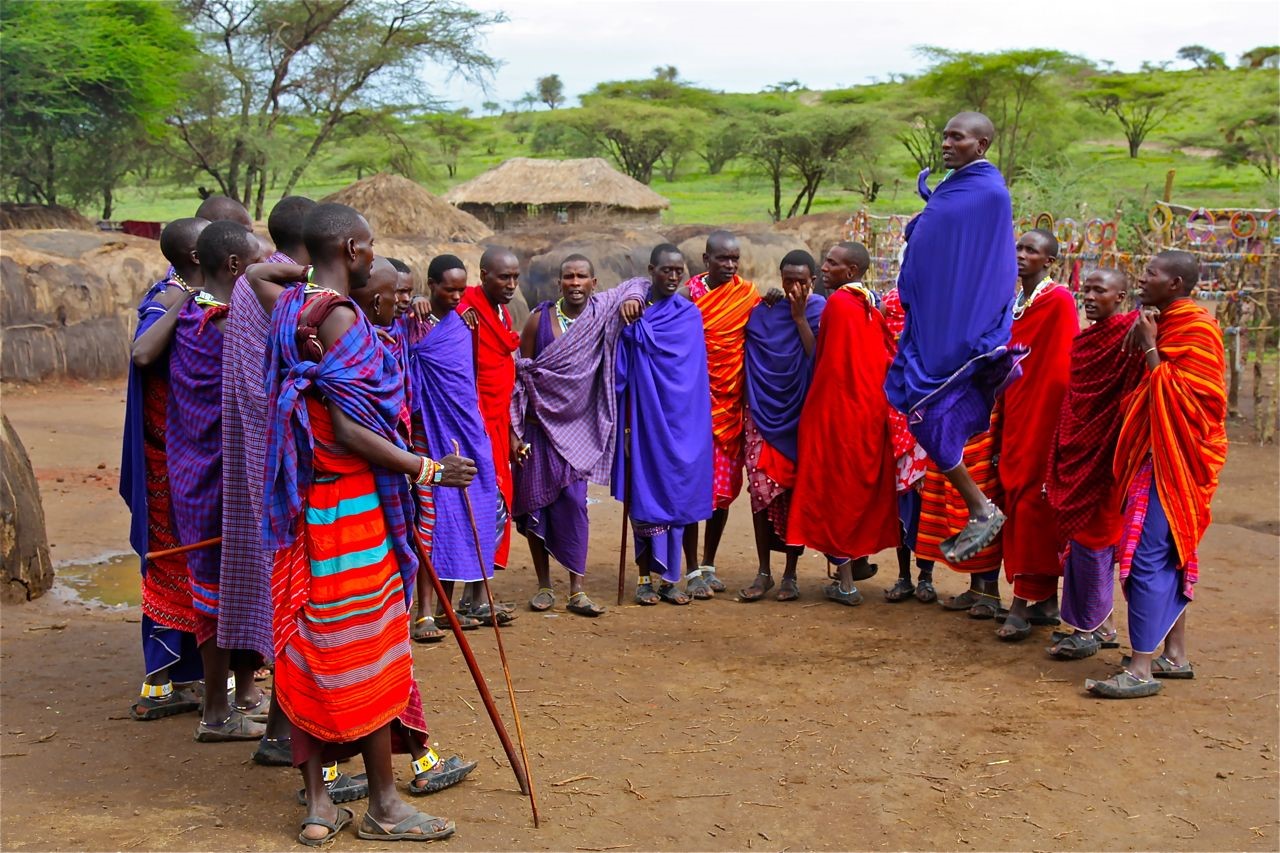
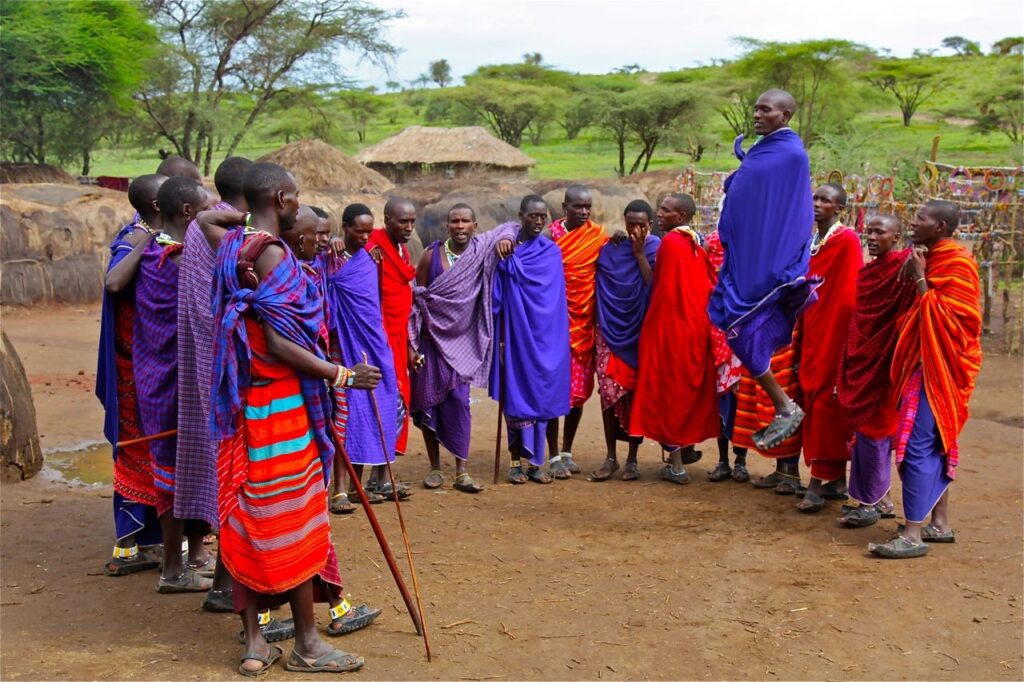
The Maasai are known for their vibrant ceremonies, including rites of passage such as initiation into adulthood. These ceremonies involve singing, dancing, and elaborate attire, reflecting the community’s strong social bonds. Their famous jumping dance, known as “Adumu,” is both a display of strength and a cultural symbol.
Research from Encyclopedia Britannica and JSTOR emphasizes the significance of these rituals in maintaining social structure. These traditions are not performed for tourists but are genuine expressions of identity.
Maasai Clothing and Beadwork
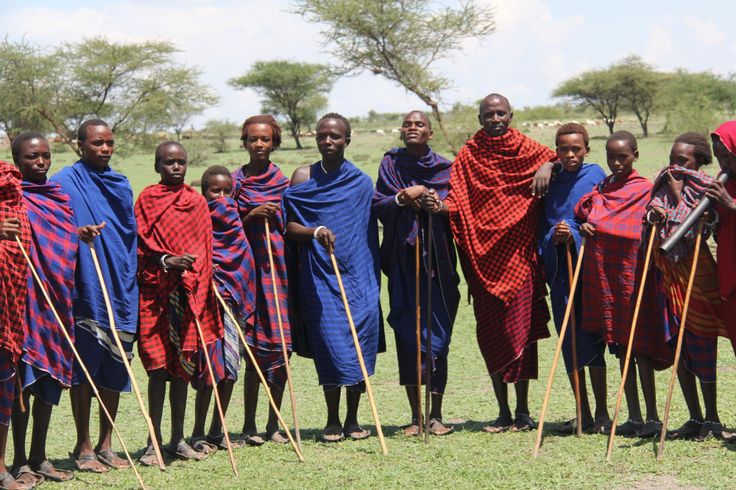
The Maasai are instantly recognizable by their red shukas and intricate beadwork. Each color and pattern carries meaning, often representing age, marital status, or social role. Women play a central role in creating these designs, passing skills down through generations.
Organizations like African Conservation Centre highlight how these crafts contribute to sustainable livelihoods. Purchasing authentic beadwork supports local communities and preserves cultural heritage.
The Maasai Tribe and Wildlife Conservation
The Maasai have coexisted with wildlife for centuries, developing a deep understanding of the ecosystem. Unlike many modern conservation approaches, their methods are rooted in respect and balance. This makes them key partners in conservation efforts across East Africa.
Groups such as World Wildlife Fund and IUCN collaborate with Maasai communities to protect endangered species. Their knowledge of the land is invaluable in preserving biodiversity.
If you want to witness this harmony firsthand, consider booking a guided safari through Relax Africa Safari experiences.
Modern Challenges and Adaptation
Despite their strong traditions, the Maasai face challenges such as land loss, climate change, and modernization. Access to education and healthcare remains limited in some areas, prompting partnerships with global organizations like UNICEF and WHO.
However, the Maasai are adapting by integrating modern tools while preserving their identity. Initiatives in education and sustainable tourism are helping bridge the gap between tradition and progress.
Why Visit the Maasai Tribe in 2026, 2027 and 2028
Travel trends indicate a growing interest in cultural tourism, making the coming years ideal for exploring Maasai heritage. Visitors are seeking authentic experiences that go beyond wildlife viewing, and the Maasai offer exactly that.
Planning your trip with trusted providers like Relax Africa Safari packages ensures a respectful and enriching experience. Their tours are designed to benefit local communities while providing unforgettable memories.
Best Places to Experience Maasai Culture
The Maasai Mara in Kenya and the Serengeti in Tanzania are prime locations to encounter Maasai communities. These regions are also home to some of the world’s most spectacular wildlife migrations, creating a perfect blend of culture and nature.
For geographic insights, platforms like Google and Google Earth provide detailed maps and visualizations of these مناطق.
Responsible Tourism and Ethical Visits
When visiting Maasai communities, it is essential to approach with respect and awareness. Ethical tourism practices ensure that your visit supports rather than exploits local culture. Always seek permission before taking photos and engage with communities through approved guides.
Organizations such as Responsible Travel and Sustainable Travel International provide guidelines for mindful tourism.
Frequently Asked Questions
Who are the Maasai people?
The Maasai are a semi-nomadic ethnic group in Kenya and Tanzania known for their distinctive culture and traditions.
Where can I meet the Maasai tribe?
You can visit Maasai communities near the Maasai Mara and Serengeti through guided tours.
What makes the Maasai tribe unique?
Their strong cultural identity, traditional attire, and coexistence with wildlife set them apart.
Is it safe to visit Maasai villages?
Yes, especially when visiting through reputable tour operators.
What should I wear when visiting?
Modest clothing is recommended to respect local customs.
How can I support Maasai communities?
Purchase authentic crafts and book ethical tours that benefit local السكان.
Conclusion
The Maasai Tribe. Discover the most well-known African tribe 2026, 2027 and 2028 offers a rare glimpse into a culture that has stood the test of time. Their traditions, resilience, and connection to nature make them one of Africa’s most fascinating communities. As you plan your سفر, consider including a Maasai cultural experience to deepen your understanding of this remarkable heritage.
Start your journey today with trusted experts at Relax Africa Safari and experience Africa in its most authentic form.