

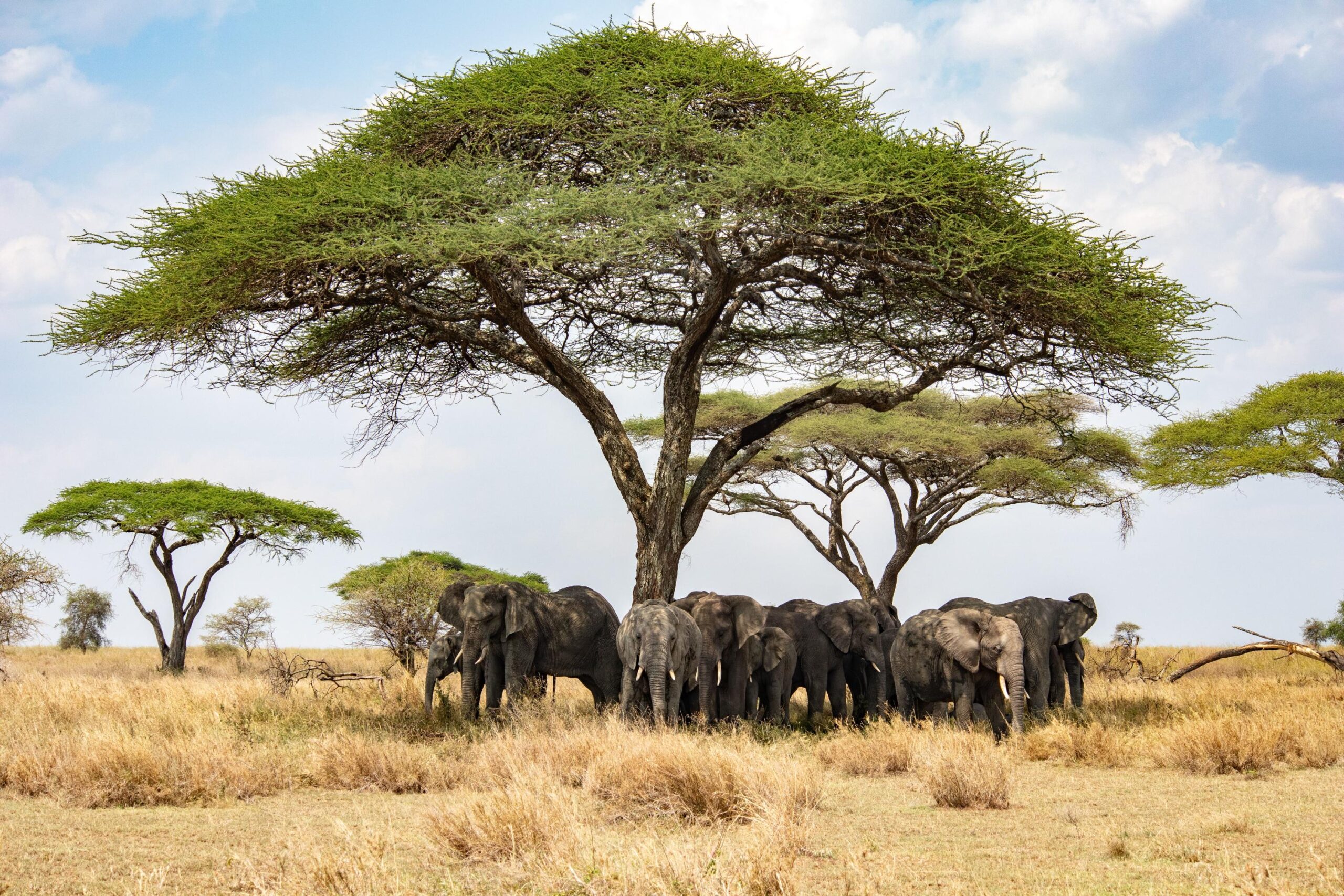
Top Tips for a Sustainable African Safari 2026, 2027 & 2028 begin with understanding that travel is no longer just about seeing wildlife but protecting it for generations to come. Africa offers breathtaking landscapes, rare wildlife, and rich cultures, yet these treasures are fragile. Travelers today play a vital role in preserving ecosystems, supporting local communities, and minimizing environmental impact. By making informed choices, you can enjoy a safari experience that is both unforgettable and responsible.
A sustainable safari is not complicated, but it requires intention. From choosing eco-conscious lodges to respecting wildlife boundaries, every decision matters. Planning your journey with experts like Relax Africa Safari ensures that your adventure aligns with conservation values while still delivering comfort and excitement.
Why Sustainability Matters for African Safaris
African ecosystems are among the most diverse on the planet, yet they face growing threats such as climate change, poaching, and habitat loss. Tourism can either contribute to these problems or become part of the solution. Sustainable safaris help protect wildlife, fund conservation projects, and empower local communities through employment and education.
Organizations like World Wildlife Fund and International Union for Conservation of Nature emphasize that responsible tourism can significantly reduce environmental pressure. By choosing ethical travel practices, visitors directly support wildlife protection and habitat preservation efforts.
Choose Eco-Friendly Safari Operators
Selecting the right safari operator is one of the most important steps toward sustainable travel. Responsible companies prioritize environmental protection, fair wages, and community involvement. They often partner with conservation groups and follow strict guidelines to minimize their ecological footprint.
Working with trusted providers such as Relax Africa Safari ensures your trip supports conservation initiatives while offering a high-quality experience. Look for certifications from organizations like Travelife and Rainforest Alliance when choosing your safari provider.
Stay in Sustainable Lodges
Eco-lodges are designed to operate in harmony with nature. They use renewable energy, manage waste responsibly, and conserve water. Many lodges are built using local materials and employ nearby communities, reducing environmental impact while supporting livelihoods.
Research properties that follow sustainability guidelines from United Nations Environment Programme and Global Sustainable Tourism Council. These accommodations often provide immersive experiences that connect you more deeply with nature.
Respect Wildlife and Natural Habitats
One of the golden rules of a sustainable safari is maintaining a respectful distance from animals. Approaching too closely can stress wildlife and disrupt natural behaviors. Always follow your guide’s instructions and avoid feeding animals or making loud noises.
Guidelines from National Geographic and South African National Parks stress that ethical wildlife viewing protects both animals and visitors. Responsible behavior ensures that future travelers can enjoy the same incredible encounters.
Minimize Plastic and Waste
Plastic pollution is a growing concern in many African regions. Bringing reusable water bottles, bags, and containers can significantly reduce your environmental impact. Many safari lodges now offer filtered water stations to discourage single-use plastics.
Global initiatives such as UN ActNow and Plastic Oceans highlight the importance of reducing waste. Simple actions during your safari can contribute to cleaner environments and healthier ecosystems.

Support Local Communities
Sustainable tourism goes beyond wildlife; it also includes people. Supporting local communities ensures that tourism benefits those who live near conservation areas. This can include buying handmade crafts, participating in cultural experiences, and choosing locally owned accommodations.
Programs supported by UNESCO and World Bank demonstrate how tourism can drive community development. Booking through Relax Africa Safari helps connect travelers with authentic cultural experiences.
Reduce Your Carbon Footprint
Traveling to Africa often involves long flights, which contribute to carbon emissions. While it may not be possible to eliminate this impact entirely, you can offset it by supporting environmental programs and choosing eco-conscious transport options during your safari.
Consider carbon offset programs offered by organizations like Gold Standard and Carbonfund.org. Additionally, opt for shared game drives instead of private ones to reduce fuel usage.
Pack Responsibly for Your Safari
What you pack can influence your sustainability efforts. Choose eco-friendly products such as biodegradable toiletries, solar-powered chargers, and reusable items. Avoid products that harm the environment, including certain sunscreens that affect marine life.
Guidance from Environmental Protection Agency and NOAA can help you select environmentally safe products. Packing smart ensures that your safari leaves a minimal footprint.
Learn About Conservation Efforts
Education is a powerful tool for sustainability. Many safari destinations offer opportunities to learn about conservation projects, wildlife protection, and community initiatives. Participating in these programs enriches your experience while supporting important causes.
Institutions like African Wildlife Foundation and Save the Elephants provide valuable insights into conservation challenges and solutions. Engaging with these efforts makes your safari more meaningful.
Follow Ethical Photography Practices
Photography is a highlight of any safari, but it should never come at the expense of wildlife. Avoid using flash, do not disturb animals for better shots, and respect park rules. Ethical photography ensures that animals remain undisturbed.
Resources from BBC Earth and National Wildlife Federation emphasize responsible wildlife photography. Capturing moments ethically preserves the integrity of natural habitats.
Travel During Off-Peak Seasons
Visiting during less crowded periods reduces pressure on wildlife and ecosystems. It also provides a more intimate safari experience. Off-peak travel helps distribute tourism benefits more evenly throughout the year.
Studies from UN World Tourism Organization highlight how balanced tourism can improve sustainability. Planning your trip with Relax Africa Safari ensures optimal timing for both wildlife viewing and environmental impact.
Respect Cultural Traditions
Africa is home to diverse cultures and traditions that deserve respect. Learn about local customs, dress appropriately, and engage with communities in a respectful manner. Cultural sensitivity enhances your travel experience and fosters positive relationships.
Guidelines from Cultural Survival and UN Indigenous Peoples stress the importance of respecting local traditions. Responsible tourism supports cultural preservation.
Support Conservation Donations
Many parks and reserves rely on donations to fund conservation efforts. Contributing to these initiatives helps protect endangered species and maintain ecosystems. Even small contributions can make a significant difference.
Consider supporting organizations like Wildlife Conservation Society and Panthera. These groups work tirelessly to safeguard wildlife across Africa.
Follow Park Rules and Guidelines
National parks and reserves have rules designed to protect both wildlife and visitors. Adhering to these guidelines ensures a safe and sustainable safari experience. Always listen to your guide and respect park regulations.
Authorities such as Kenya Wildlife Service and Tanzania National Parks enforce these rules to maintain ecological balance. Responsible behavior supports conservation efforts.
Plan Your Safari with Experts
Planning a sustainable safari can be overwhelming, but working with experienced professionals simplifies the process. Experts understand the best practices for eco-friendly travel and can tailor your itinerary accordingly.
Booking through Relax Africa Safari ensures that your journey aligns with sustainability principles while delivering unforgettable experiences. Their expertise helps you make responsible choices without sacrificing comfort.
Frequently Asked Questions
What is a sustainable African safari?
A sustainable safari focuses on minimizing environmental impact, supporting local communities, and protecting wildlife through responsible travel practices.
How can I reduce my impact during a safari?
Use reusable items, respect wildlife, choose eco-friendly lodges, and support conservation initiatives to reduce your impact.
Are eco-lodges comfortable?
Yes, many eco-lodges offer luxury amenities while maintaining sustainable practices, providing both comfort and environmental responsibility.
Why is supporting local communities important?
It ensures that tourism benefits residents, promotes cultural preservation, and contributes to sustainable development.
Can I offset my travel carbon footprint?
Yes, you can support carbon offset programs that fund environmental projects to balance your emissions.
When is the best time for a sustainable safari?
Off-peak seasons are ideal as they reduce environmental pressure and offer a more peaceful experience.
Conclusion
Top Tips for a Sustainable African Safari 2026, 2027 & 2028 highlight the importance of traveling responsibly while enjoying the beauty of Africa. Every choice you make, from selecting eco-friendly accommodations to respecting wildlife, contributes to the preservation of this incredible continent. Sustainable travel is not just a trend; it is a responsibility that ensures future generations can experience Africa’s wonders.
By planning your journey with Relax Africa Safari, you can enjoy a seamless and ethical adventure that supports conservation and communities alike. Your safari can be more than a trip; it can be a meaningful contribution to protecting the natural world.